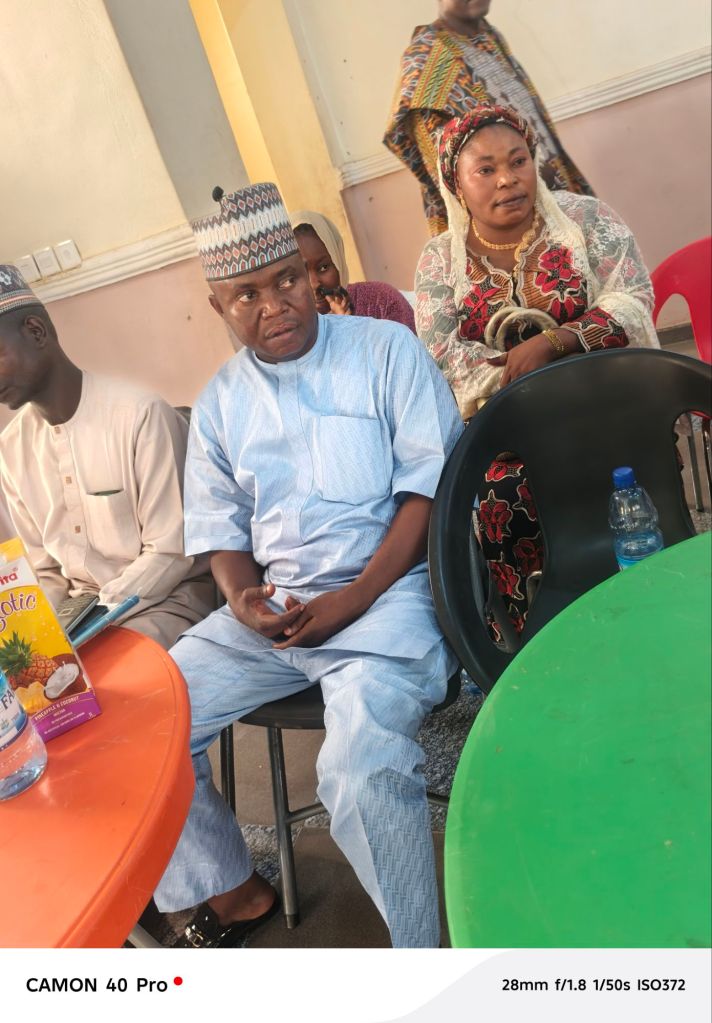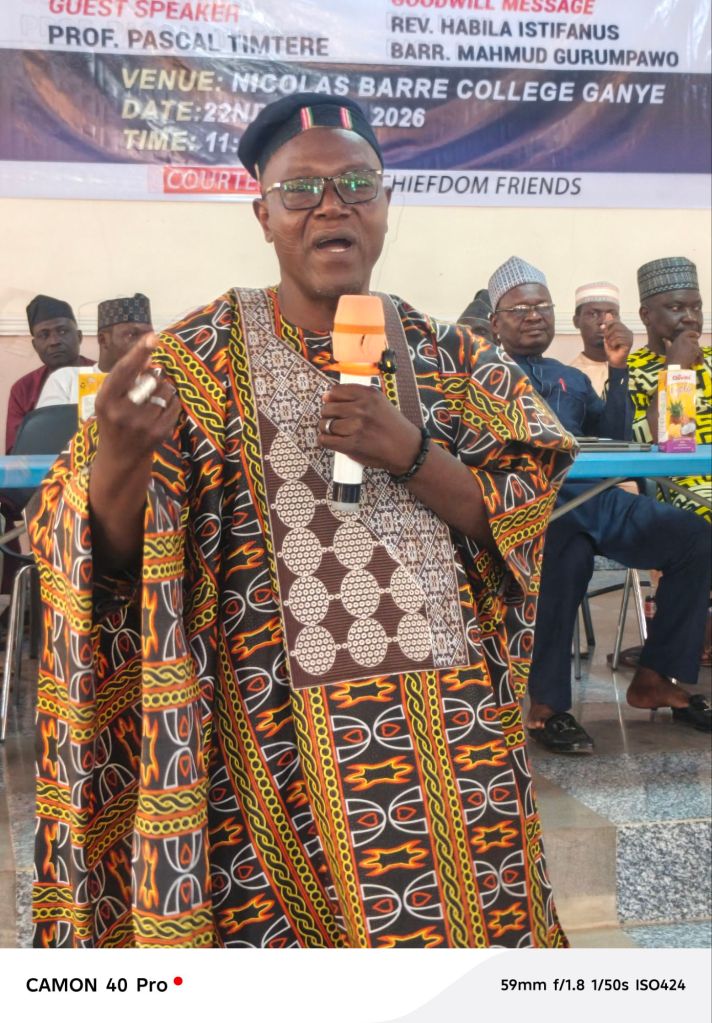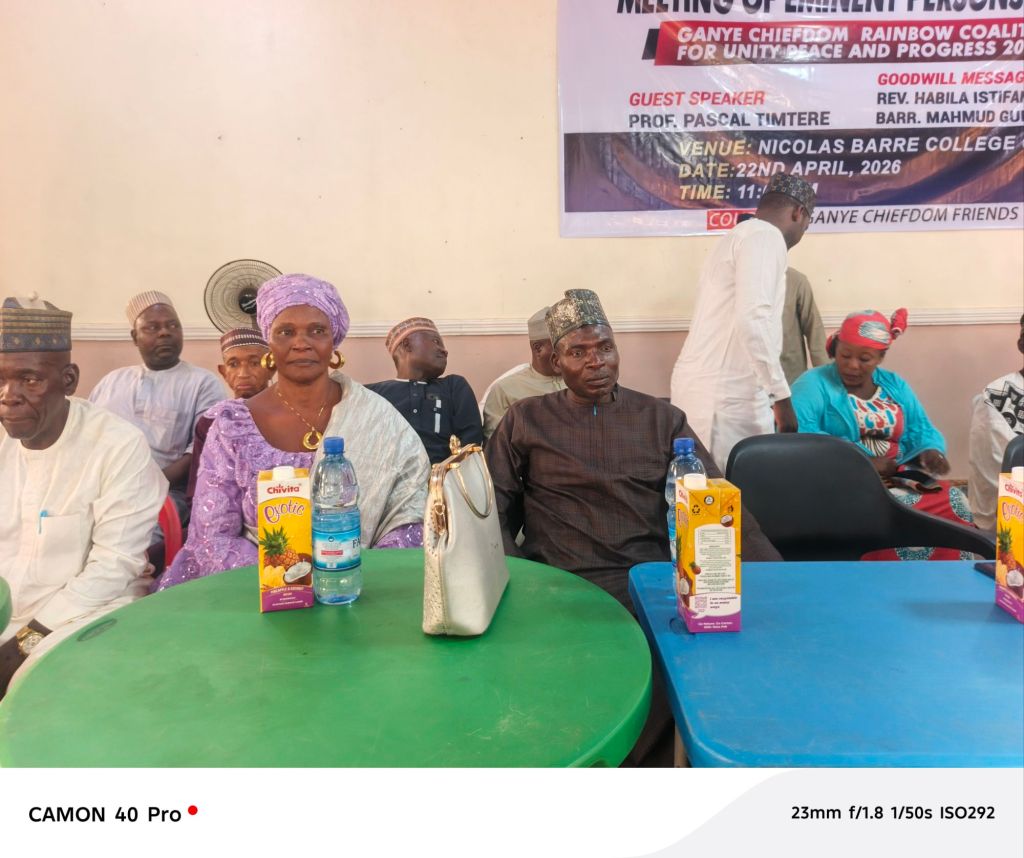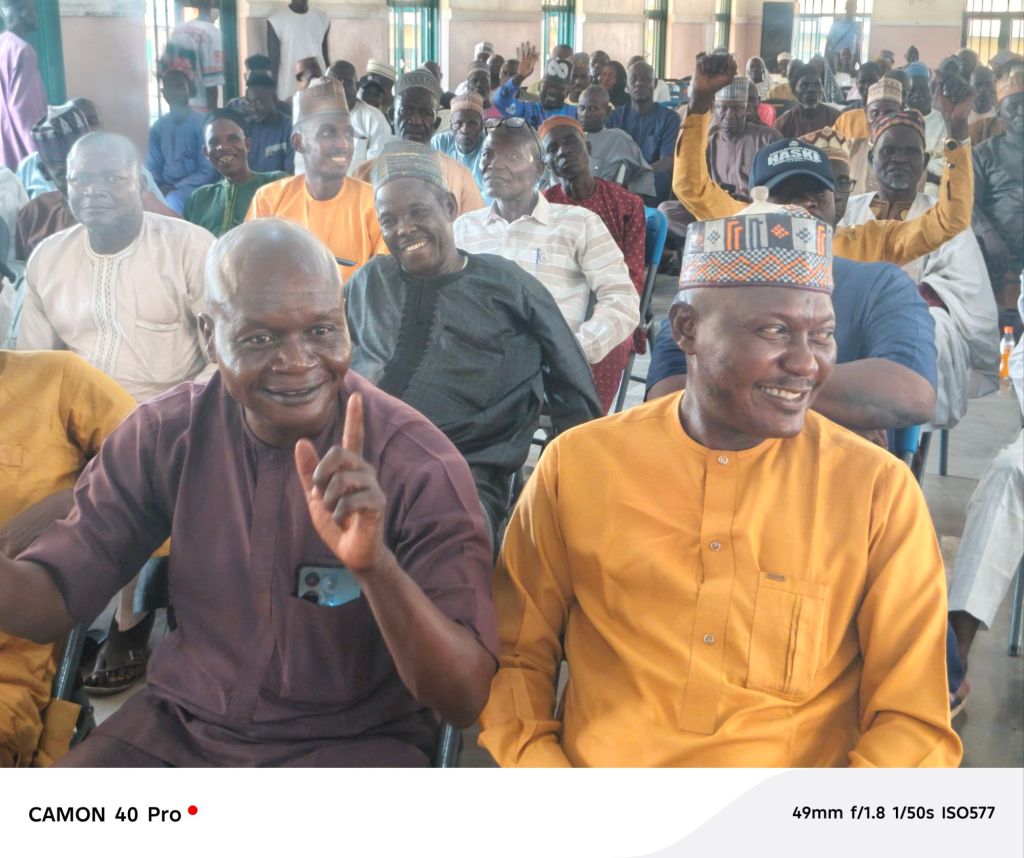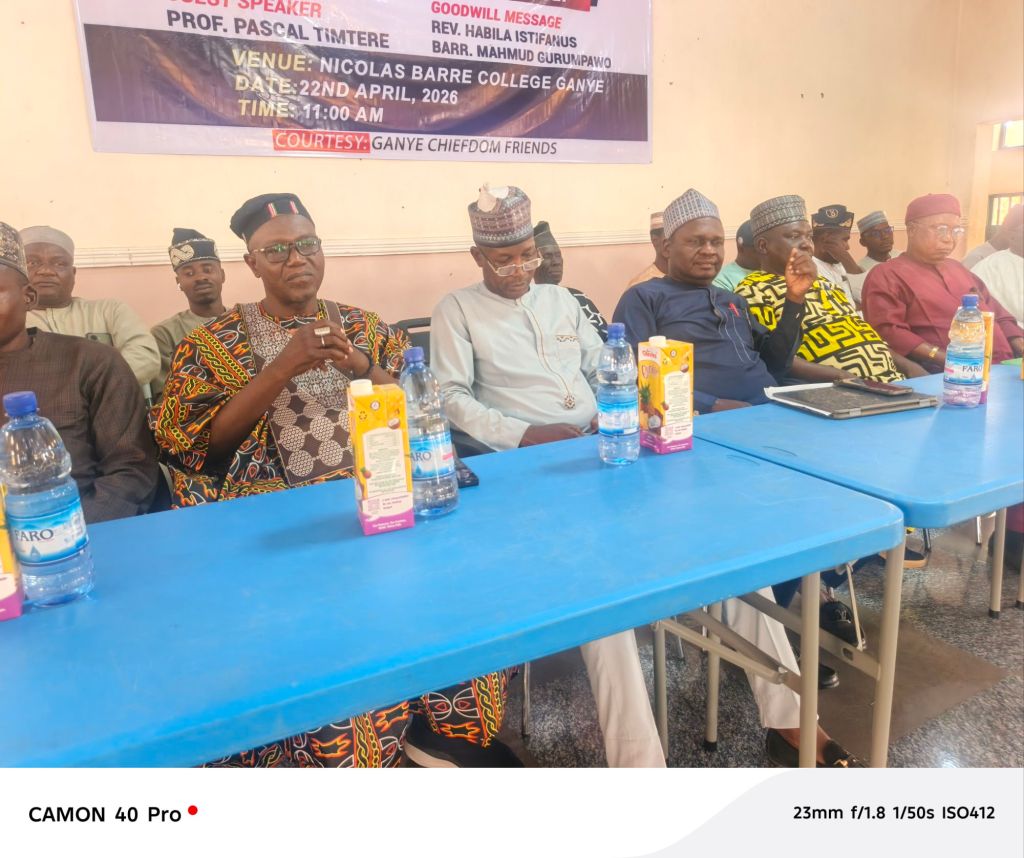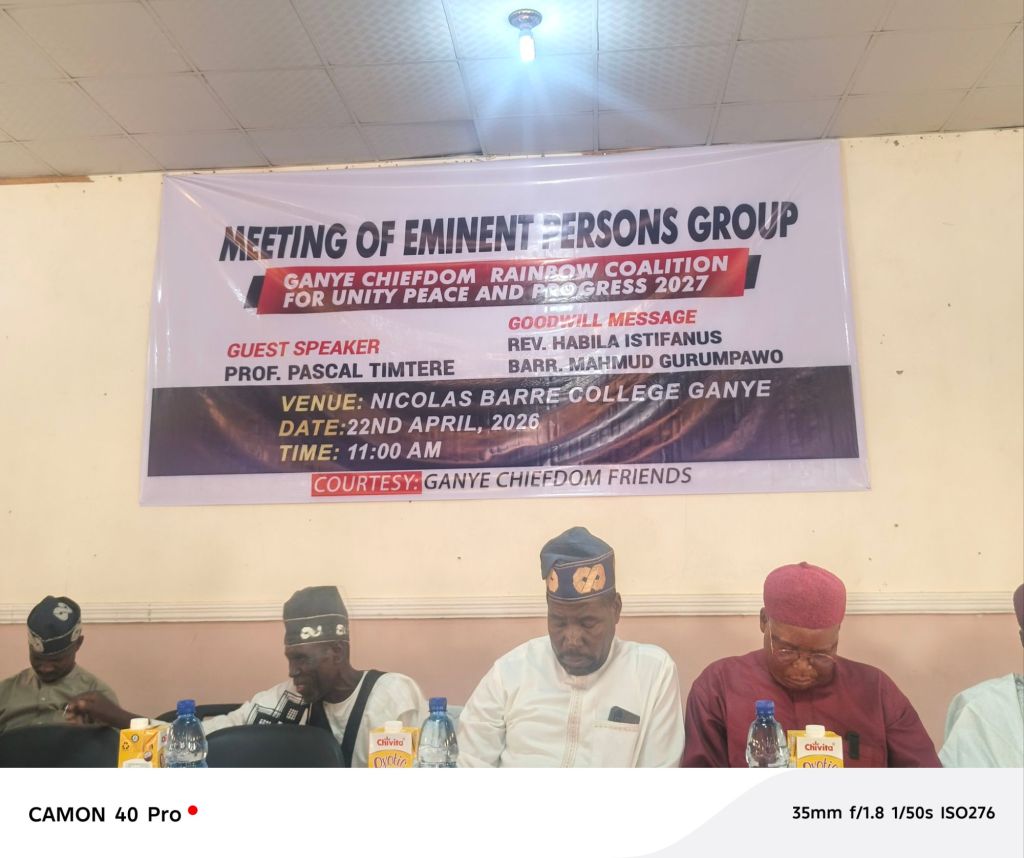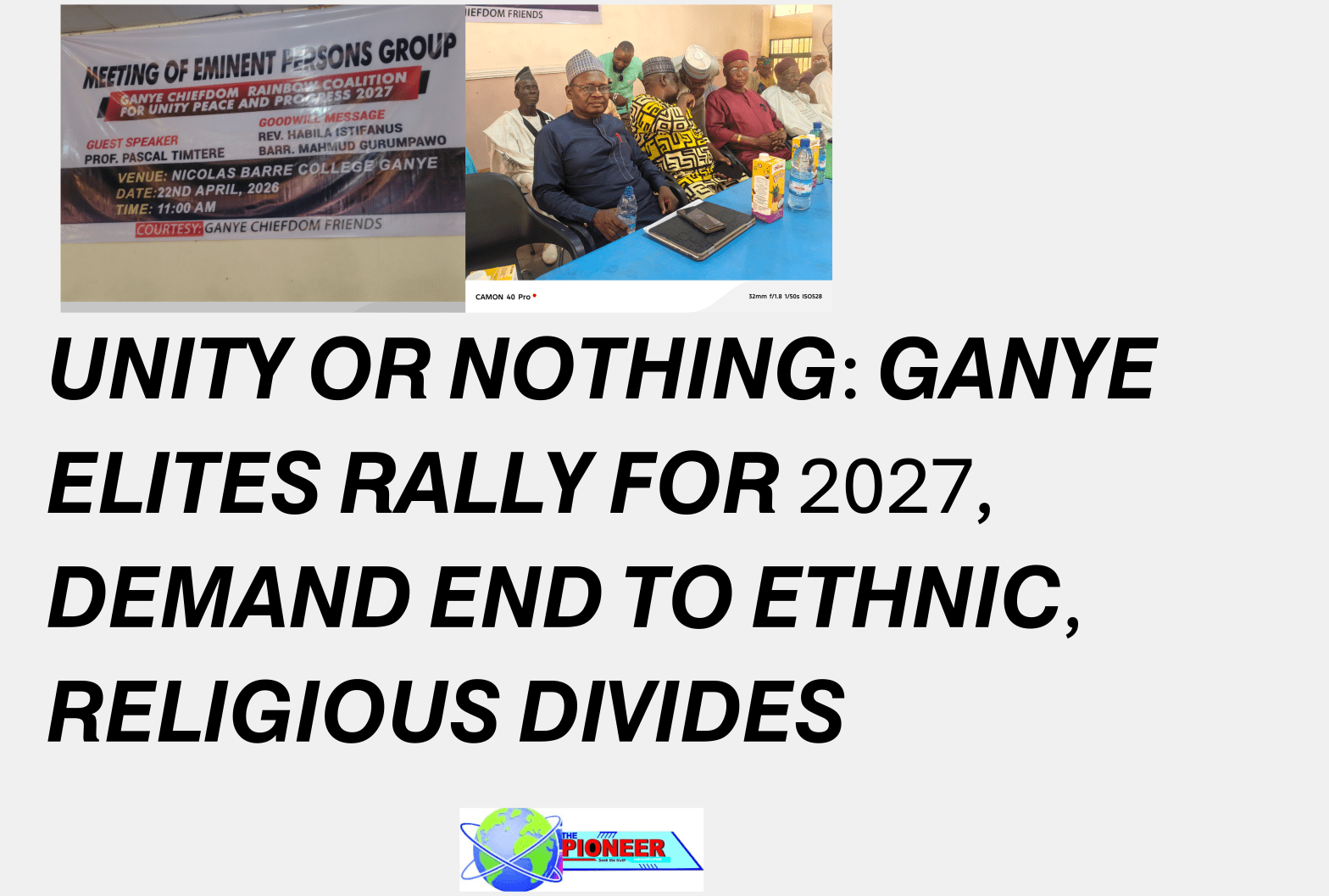
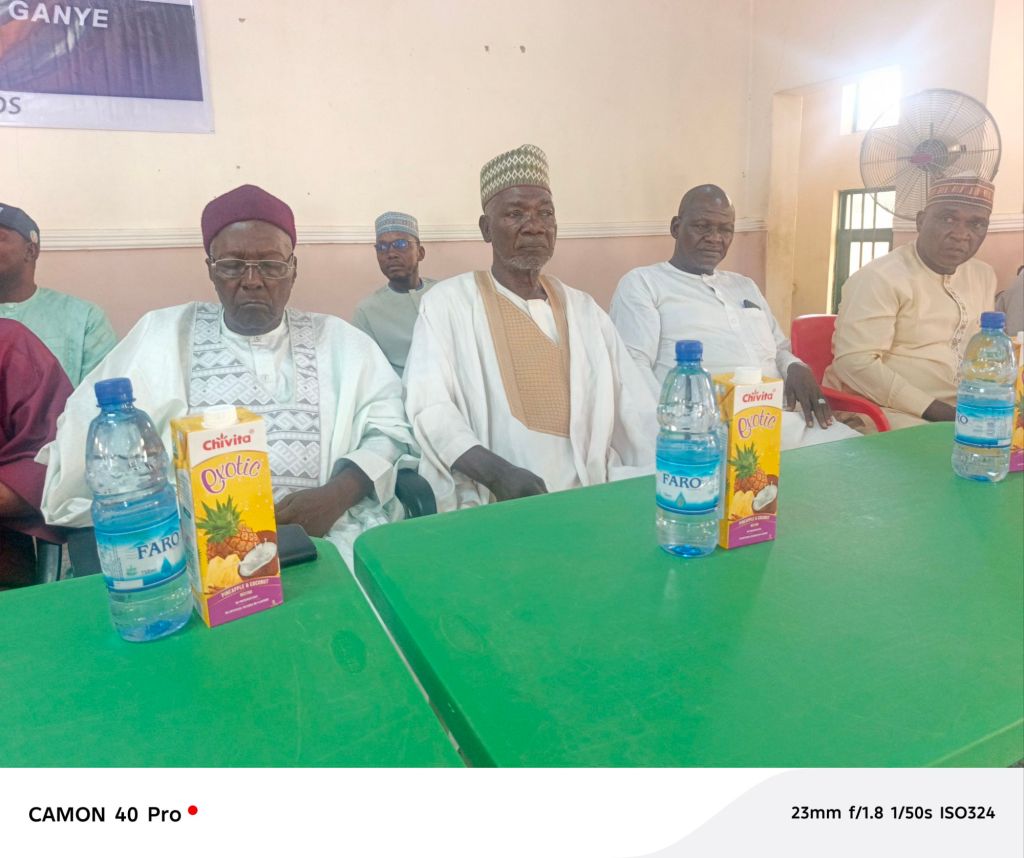
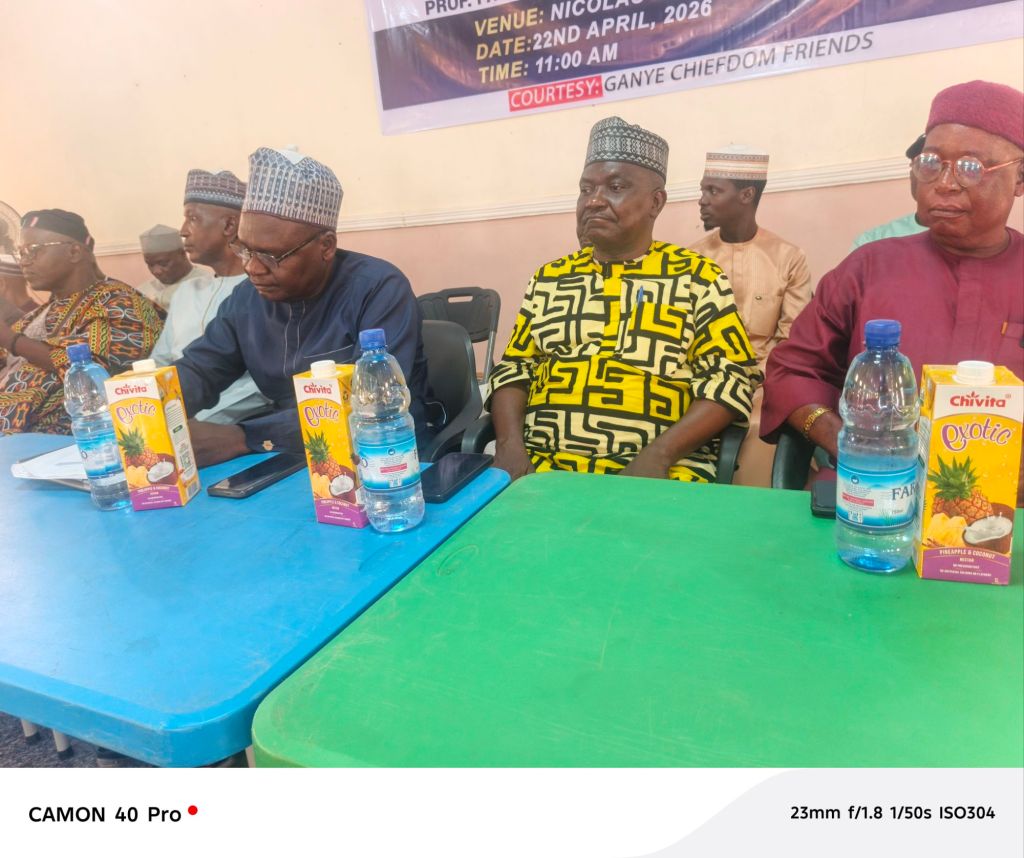
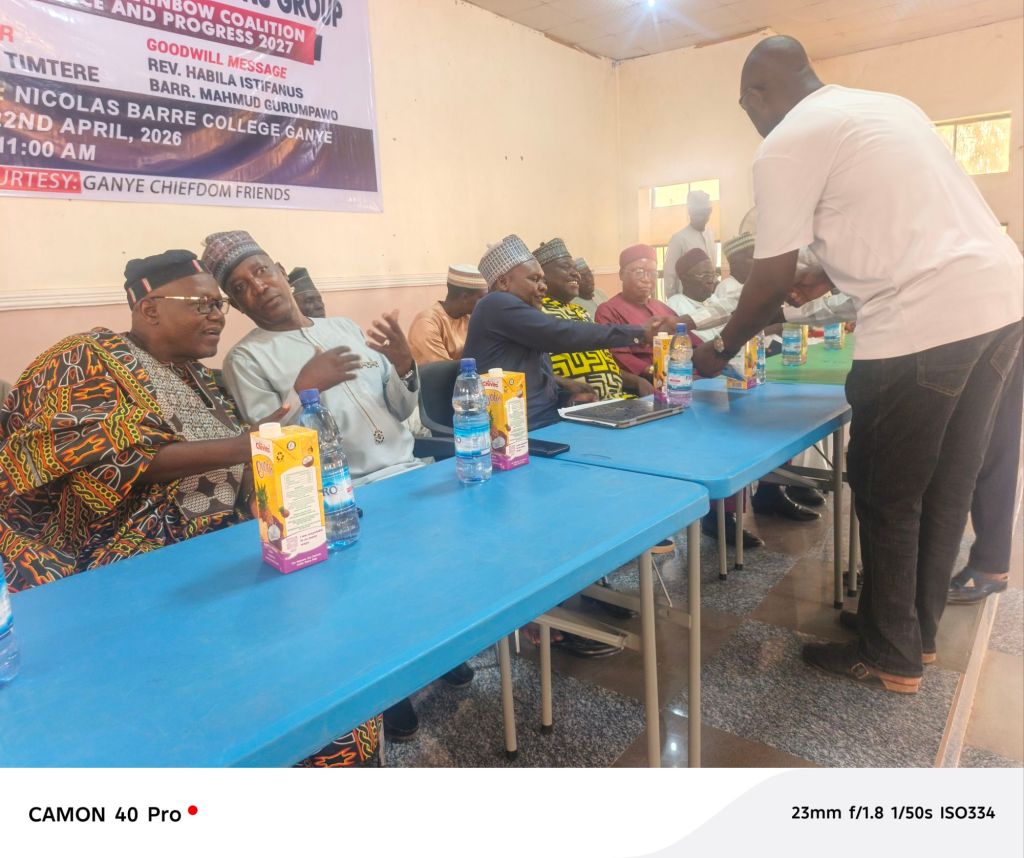
In what many have described as a defining political moment ahead of 2027, eminent leaders and stakeholders from across Ganye Chiefdom converged at Nicolas Barre College on April 22, 2026, under the banner of the Ganye Chiefdom Rainbow Coalition for Unity, Peace and Progress.
The high-powered gathering drew participants from Ganye, Jada, Toungo, and Mayo-Belwa Federal Constituency, setting the stage for a renewed push toward unity as the cornerstone for political relevance and development.
The meeting opened on a solemn yet symbolic note, with prayers offered by both Christian and Muslim clerics—an intentional reflection of the unity the coalition seeks to foster.
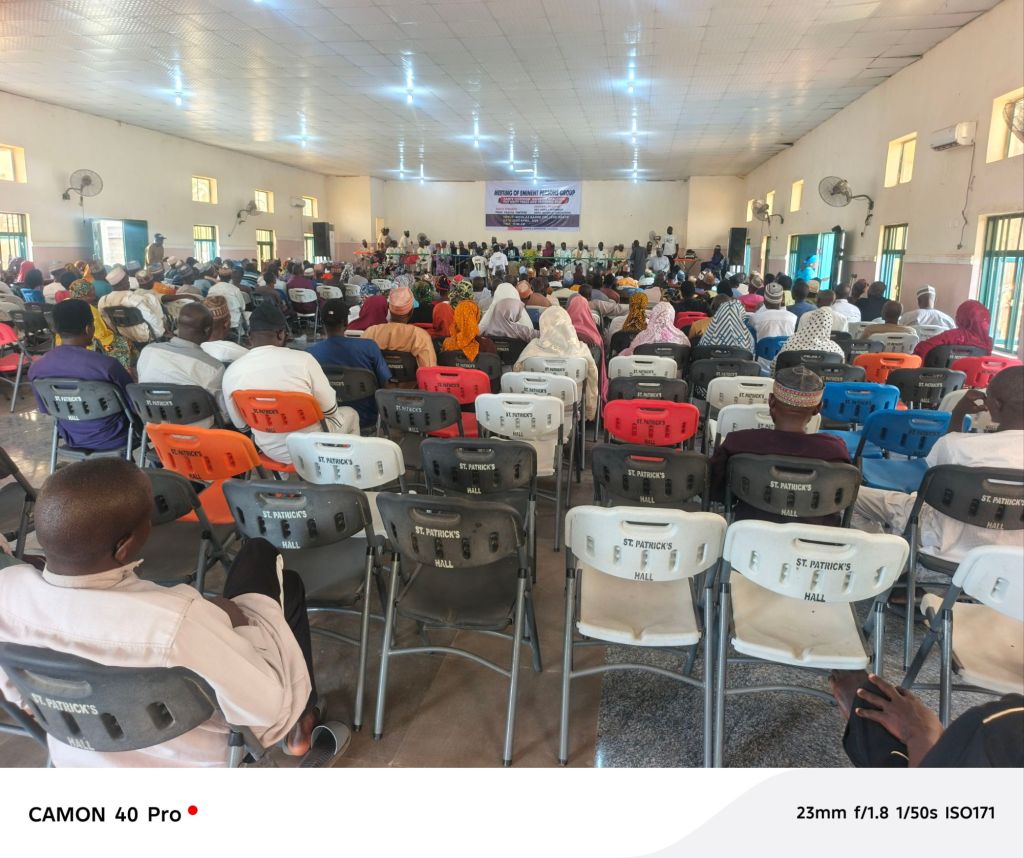
Delivering a commanding welcome address, the Chairman of the movement, Hon. Sanusi Farouk Jauro, a former Adamawa State Commissioner and ex-member of the State House of Assembly, set the tone with a bold and uncompromising message.
He declared that the time had come to dismantle the walls of division that have long hindered the progress of Ganye Chiefdom.
“This gathering is not accidental—it is deliberate,” he asserted. “We must awaken our people to the urgent need to embrace one another, beyond religion, beyond tribe. These divisions have cost us dearly—they have stalled our political growth and weakened our collective voice.”
In a veiled swipe at absentee politicians, Jauro warned against leaders who vanish after securing electoral victories.
“Be wary of politicians who only remember you during elections. Leadership must be about service, visibility, and impact—not seasonal appearances,” he said.
Projecting a vision of inclusive governance, he emphasized:
“My politics is one of development and inclusivity. Whether Christian or Muslim, from any tribe—what matters is competence and the ability to deliver. That is the standard we must uphold.”
He urged constituents to rise above sentiments and unite behind credible candidates in the coming elections.
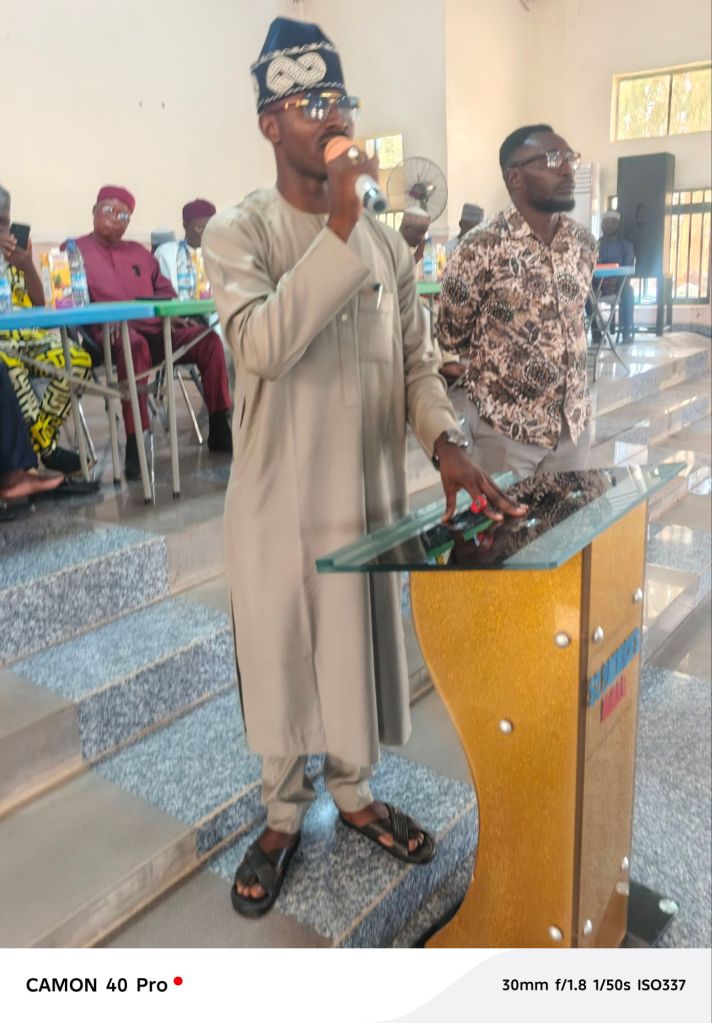
The keynote address by Professor Pascal Vitalist Timtere, a respected Physics lecturer at Modibbo Adama Federal University, Yola, elevated the discourse into a compelling intellectual and philosophical exploration of unity.
Speaking with clarity and depth, the professor described unity as both a moral obligation and a strategic necessity.
“Unity is not optional—it is fundamental,” he began. “The very essence of unity is captured in its root—‘uni’—meaning one. It is the coming together of different parts to form a stronger whole.”
Drawing from his scientific background, he likened unity to standardized measurement:
“In science, units provide consistency and meaning. Without unity, even measurement loses its value. So it is with society—without unity, progress becomes impossible.”
On diversity, he delivered a striking analogy using the business empire of Alhaji Aliko Dangote:
“Dangote produces cement, sugar, flour—diverse products serving different needs. If one product doesn’t serve you, another will. That is the power of diversity. When properly harnessed, diversity multiplies value.”
He challenged the audience to reflect on past political failures, likening leadership selection to scientific research:
“We have tested leaders—senators, representatives, office holders—and many have failed us. Like in research, results must be evaluated. Only the best outcomes are recommended. 2027 must be about choosing competence, not sentiment.”
In a deeply emotional moment, Professor Timtere invoked the sacrifices of past Ganye elites who fought for the creation of the Chiefdom:
“Our forebears endured imprisonment and hardship, yet they prevailed—because they stood united. Unity was their weapon. Unity must remain ours.”
He further described Ganye Chiefdom as a shining symbol of cultural diversity—home to Chamba, Fulani, and numerous other ethnic groups—urging that this diversity must be seen as strength, not division.
Referencing the 2023 general elections, he noted:
“History has shown us that division weakens even the strongest contenders. Unity could have altered outcomes. Let us not repeat such costly lessons.”
He concluded with a stark warning:
“Division is not just unproductive—it is dangerous. If Ganye must rise, unity is non-negotiable.”
Other speakers echoed similar sentiments, reinforcing the central theme that no society can achieve meaningful development in the absence of unity.
The event, marked by vibrant participation and rich dialogue, has been widely described as both colorful and consequential—a gathering that may well shape the political trajectory of Ganye Chiefdom as 2027 approaches.
As the countdown to 2027 begins, one message rang loud and clear from Nicolas Barre College—the future of Ganye Chiefdom will be determined not by division, but by unity, competence, and a shared vision for progress.