By Reuben Nathan Ibrahim
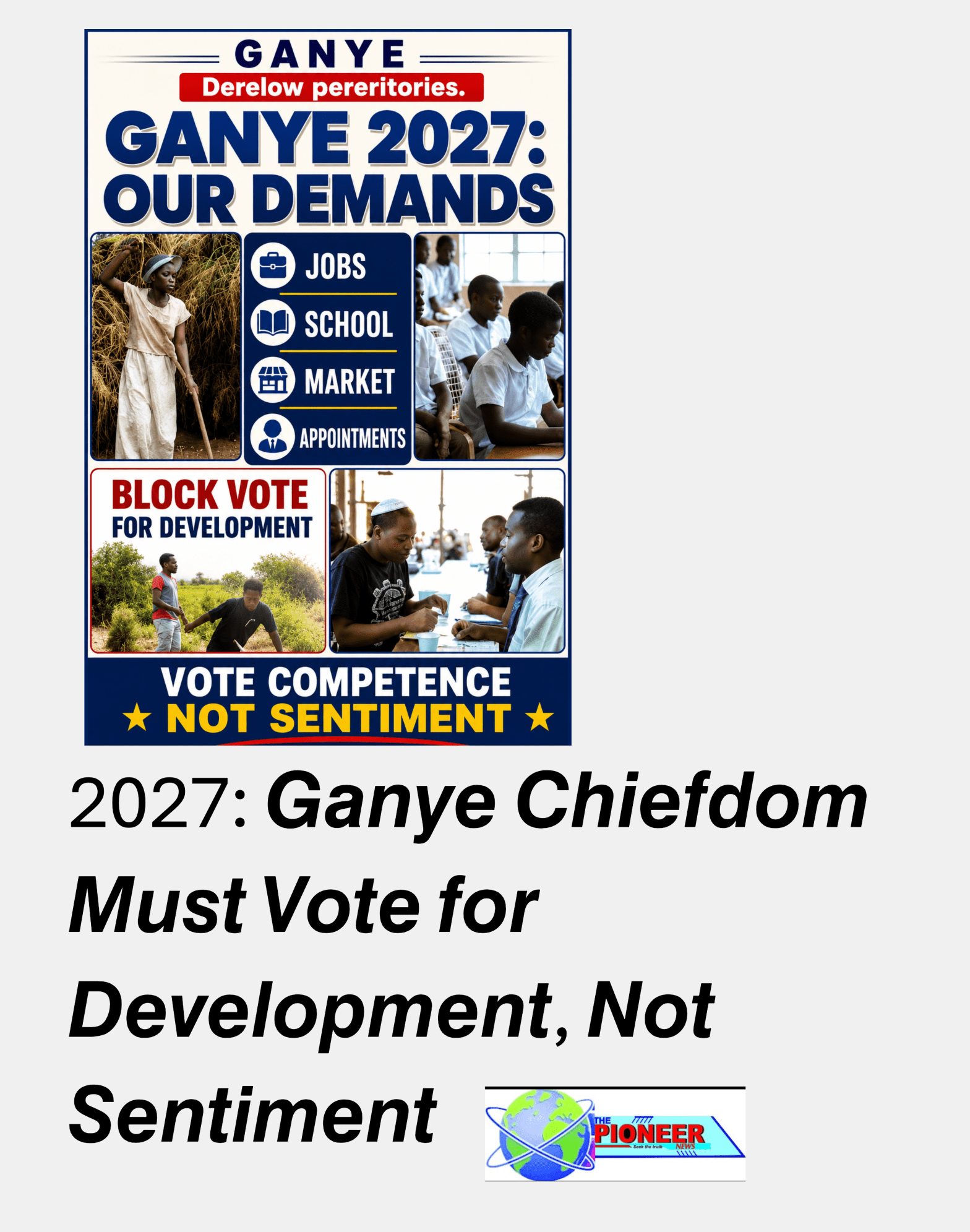
As Nigeria gradually marches toward the 2027 general elections, the people of Ganye Chiefdom stand at a defining moment in their political history. The era of voting based on emotions, religious affiliations, or empty political promises must give way to a new culture of strategic, issue-based participation.
For decades, Ganye has been widely regarded as a stronghold of the All Progressives Congress (APC). Yet, despite this political loyalty, the chiefdom continues to grapple with inadequate federal presence and a glaring shortage of transformative infrastructure and development projects. The disparity between political support and developmental dividends raises an important question: What has Ganye truly gained from its electoral choices?
The time has come for a shift—from sentimental politics to purposeful engagement.
The people of Ganye must embrace the principle of collective bargaining. Political support should no longer be unconditional; it should be earned through firm, measurable commitments. Every candidate seeking the votes of the chiefdom must present a clear blueprint addressing critical issues such as infrastructure, quality education, youth empowerment, healthcare, security, and economic growth.
Particular attention should be given to the urgent needs of the area, including expanded employment opportunities for young people, increased recruitment into the nation’s security agencies, the establishment of a full-fledged higher institution, and the development of agro-processing industries capable of unlocking the immense agricultural potential of the chiefdom.
Equally important is the need to prioritize competence, credibility, integrity, and proven capacity over primordial sentiments. Leadership should be entrusted to individuals with the vision, experience, and commitment to deliver meaningful development, irrespective of personal affiliations.
As the political landscape begins to take shape with aspirants such as Tijjani Ahmed Galadima (TAG), Senator Ishaku Abbo (SIA), Aishatu Dahiru Binani (ADB), Moris Vonobolki (VB), and others positioning themselves for various elective offices, the central question before the people of Ganye remains straightforward: Who possesses the capacity, sincerity, and political will to transform the fortunes of Ganye Chiefdom?
The answer should determine the direction of our votes.
A united voting bloc gives any community enormous bargaining power. By speaking with one voice and negotiating collectively, Ganye can secure stronger political representation, attract strategic federal investments, and ensure that campaign promises translate into tangible development.
The 2027 elections must therefore become more than a political contest; they must serve as a turning point in the quest for sustainable progress. The destiny of Ganye Chiefdom will ultimately be shaped by the wisdom, unity, and strategic decisions of its people.
𝙍𝙚𝙪𝙗𝙚𝙣 𝙉𝙖𝙩𝙝𝙖𝙣 𝙄𝙗𝙧𝙖𝙝𝙞𝙢 is a Public Affairs Commentator based in Yola, Adamawa State, Nigeria.

