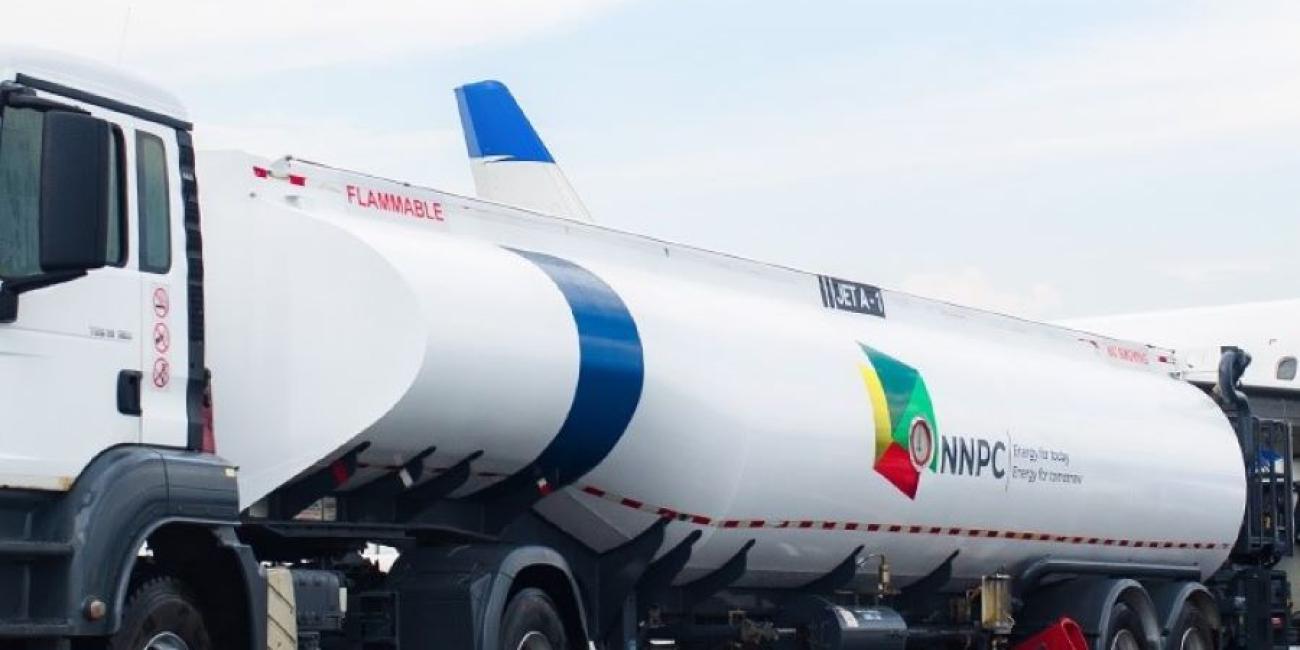
Nigeria’s fuel import bill has skyrocketed to an astonishing N5.5 trillion between October 1, 2024, and January 31, 2025, according to recent reports. Despite efforts to revive domestic refining capabilities, the country continues to heavily depend on imports of Premium Motor Spirit (PMS) and diesel (AGO), leaving a staggering economic burden in its wake.
The Nigerian National Petroleum Company (NNPC) Limited, along with select marketers, was responsible for this massive expenditure, as port documents revealed the importation of over 3.2 million metric tonnes of petrol and nearly one million metric tonnes of diesel during the four-month period. This equates to approximately 4.29 billion litres of petrol and 1.153 billion litres of diesel, totaling more than N5.5 trillion.
The NNPC, which has been at the forefront of this fuel importation, defended its actions, claiming that economic factors, particularly pricing, are driving its purchasing decisions. The company emphasized that sourcing products from domestic refineries is a priority, but only when it is economically viable. “If local supply is cost-effective, it will be preferred, but the same principle applies to other marketers who will also evaluate total costs when deciding whether to buy locally or import,” the NNPC stated.
While the Dangote Refinery, a key player in Nigeria’s refining sector, has ramped up its production to 550,000 barrels per day (bpd)—enough to meet local demand and for export—most of the crude oil processed at the facility is imported. This is due to the failure of the NNPC to honor a local supply agreement with Dangote, leading to a persistent reliance on imported crude.
The Dangote Refinery’s $20 billion facility is designed to refine domestic crude, yet the allocation of crude oil to the refinery has been inconsistent. In February 2025, only four cargoes were allocated, and just two cargoes in March—equating to a mere 61,290 bpd, far below the 385,000 bpd target. This mismatch between refining capacity and crude oil supply highlights the ongoing logistical and operational struggles that continue to plague Nigeria’s oil industry.
Further complicating matters, despite the opening of the Warri and Port Harcourt refineries and the increased capacity of the Dangote Refinery, imported fuels continue to flood Nigeria’s shores. Products are arriving through major ports in Lagos, Calabar, Warri, and Port Harcourt, undermining the efforts of domestic refineries to reduce the country’s reliance on imports.
Even with the Dangote Refinery’s operational gains, the refinery remains heavily reliant on imported crude due to insufficient domestic supply from the NNPC. However, in a strategic move to reduce pricing discrepancies across the country, the Dangote Refinery has been absorbing logistics costs and distributing fuel to marketers in a uniform price structure.
The Petroleum Products Retail Outlet Owners Association (PETROAN) recently struck an agreement with the Dangote Refinery to distribute Premium Motor Spirit (PMS) nationwide at a consistent price. This initiative aims to ensure fairness in fuel pricing at filling stations across the country, a step that has been well-received by key industry players like MRS, Heyden, and Ardova.
The ongoing issue of crude allocation continues to raise questions about the future of Nigeria’s fuel supply. In March 2025, the Nigerian Upstream Petroleum Regulatory Commission (NUPRC) allocated only 1.4 million barrels of crude oil for domestic use. Of this, the NNPC received 17 cargoes (35 percent), while the Dangote Refinery was allocated five cargoes, and smaller shares were given to the Warri and Port Harcourt refineries.
Despite a presidential order directing that crude oil transactions be conducted in naira, reports suggest that some deals are still being settled in dollars. In a noteworthy development, while the Dangote Refinery’s five cargoes were partially settled in naira, three of them were paid for using foreign exchange derived from exports.
The situation paints a troubling picture of Nigeria’s ongoing struggle to secure adequate and affordable domestic fuel supplies. As the nation faces increasing costs and declining crude oil allocations, it is clear that substantial reforms are needed to revitalize the oil and gas sector. Until then, the country will continue to grapple with the economic fallout of its fuel importation dependence.

