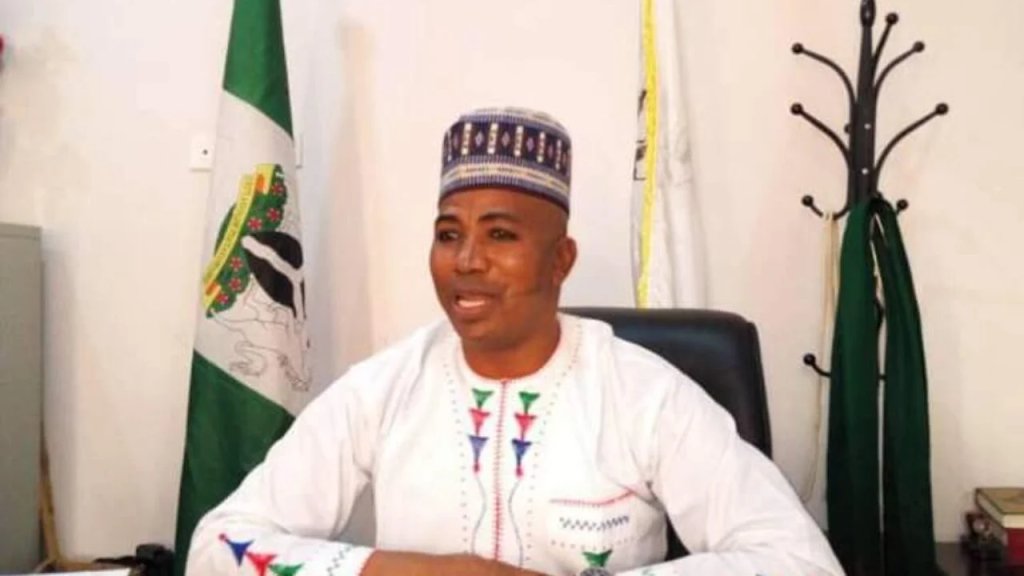
In a dramatic turn of events, a Nigerian court has granted a request to detain Alhaji Abdullahi Bodejo, the National President of Miyetti Allah Kautal Hore, along with six other high-ranking members of the herders’ union for a period of 60 days. The announcement was made through the official X handle of Sahara Reporters, sparking widespread discussions across the nation.
The court’s decision follows mounting allegations linking Bodejo and the others to activities threatening national security and public order. Sources suggest that the detainees are being investigated for their alleged roles in orchestrating violent clashes, land disputes, and other criminal activities often attributed to armed herder groups across Nigeria.
The ruling has been described as a watershed moment in Nigeria’s legal history, underscoring the judiciary’s readiness to tackle complex and politically sensitive cases. The 60-day detention is aimed at allowing security agencies sufficient time to conclude their investigations and gather substantive evidence for prosecution.
Civil society organizations and legal experts have hailed the decision as a step in the right direction. “For too long, criminal activities linked to various groups have gone unchecked. This detention order signals that no one is above the law,” said a prominent human rights lawyer.
However, the ruling has also sparked outrage from members of Miyetti Allah and their supporters, who have labeled the detention as politically motivated and an attack on their leadership. In a statement, the group called for an immediate review of the court’s decision, describing it as a “travesty of justice and a deliberate attempt to criminalize the herders’ union.”
The detention of Bodejo and his associates has amplified conversations around the deepening crisis of herder-farmer clashes in Nigeria, which have claimed thousands of lives and displaced countless communities. With tensions running high, this legal action could either serve as a deterrent or further polarize stakeholders in the conflict.
The case has also drawn the attention of international observers, with human rights organizations calling for transparency in the investigation process. Some have raised concerns about the potential for the misuse of power, urging Nigerian authorities to uphold the detainees’ rights during their 60-day confinement.
While the court’s decision marks a significant development, it raises questions about the broader implications for Nigeria’s fragile security landscape. Can this move lead to a resolution of the longstanding issues associated with the herders’ union, or will it escalate tensions?
As the case unfolds, Nigerians and the global community will be watching closely, hoping for a fair and just resolution that prioritizes peace, security, and accountability.

