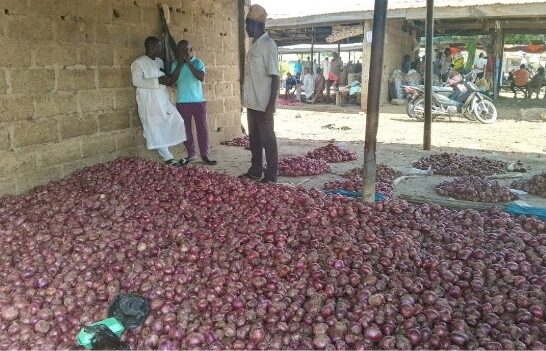
For 23 years, the vibrant farming community of Sabuwar Gainawa in Kura Local Government Area (LGA) of Kano State has endured the crushing reality of life without electricity. Despite its reputation as an agricultural powerhouse, supplying maize, rice, and vegetables to local markets and traders across Nigeria, the community has been left in the dark—both figuratively and literally.
Established in 2001 by former governor Rabiu Musa Kwankwaso as a resettlement area for flood victims, Sabuwar Gainawa, home to over 140,000 people, has grown into a hub of agricultural activity. Yet, the absence of electricity has stifled its potential, leading to dwindling agricultural productivity and limited economic opportunities.
Local farmers lament that the lack of electricity has forced them to rely on expensive and inefficient manual methods, reducing crop yields and increasing post-harvest losses. Modern agricultural practices, such as irrigation systems and food preservation technologies, remain out of reach for the community, further deepening the cycle of poverty.
“Without electricity, we cannot preserve our produce or process it efficiently. Most of our vegetables spoil before they reach the markets,” said Ibrahim Sani, a rice farmer in the area. “We feel abandoned by the government.”
The absence of power has also curtailed opportunities for small-scale businesses, such as welding, grain milling, and cold storage, which are vital to boosting income and alleviating poverty. Additionally, residents report that the lack of streetlights has led to a surge in criminal activities, with many fearing for their safety after nightfall.
Education is another casualty of the community’s long-standing neglect. Local schools operate without computers or basic lighting, leaving students at a disadvantage in an increasingly digital world. “How can our children compete with their peers in other parts of the country when they cannot even study properly at night?” asked Aisha Abdullahi, a concerned parent.
Efforts to address the situation have been marred by bureaucracy and unfulfilled promises. Residents say politicians have repeatedly used their plight as a campaign tool, only to vanish after elections.
As the 2024 general elections approach, the people of Sabuwar Gainawa are making a fresh appeal to the government and relevant authorities. They are calling for urgent intervention to connect their community to the national grid and provide the infrastructure necessary to unlock its agricultural and economic potential.
“This is not just about electricity; it is about our dignity, our survival, and our future,” emphasized Malam Usman, a community elder. “We have waited 23 years—how much longer must we endure this neglect?”
The situation in Sabuwar Gainawa is a stark reminder of the challenges faced by rural communities across Nigeria, where the lack of basic amenities continues to hinder development. Addressing the power crisis in such areas is not just a matter of social justice—it is an investment in the nation’s agricultural and economic resilience.

