By Usman Umar
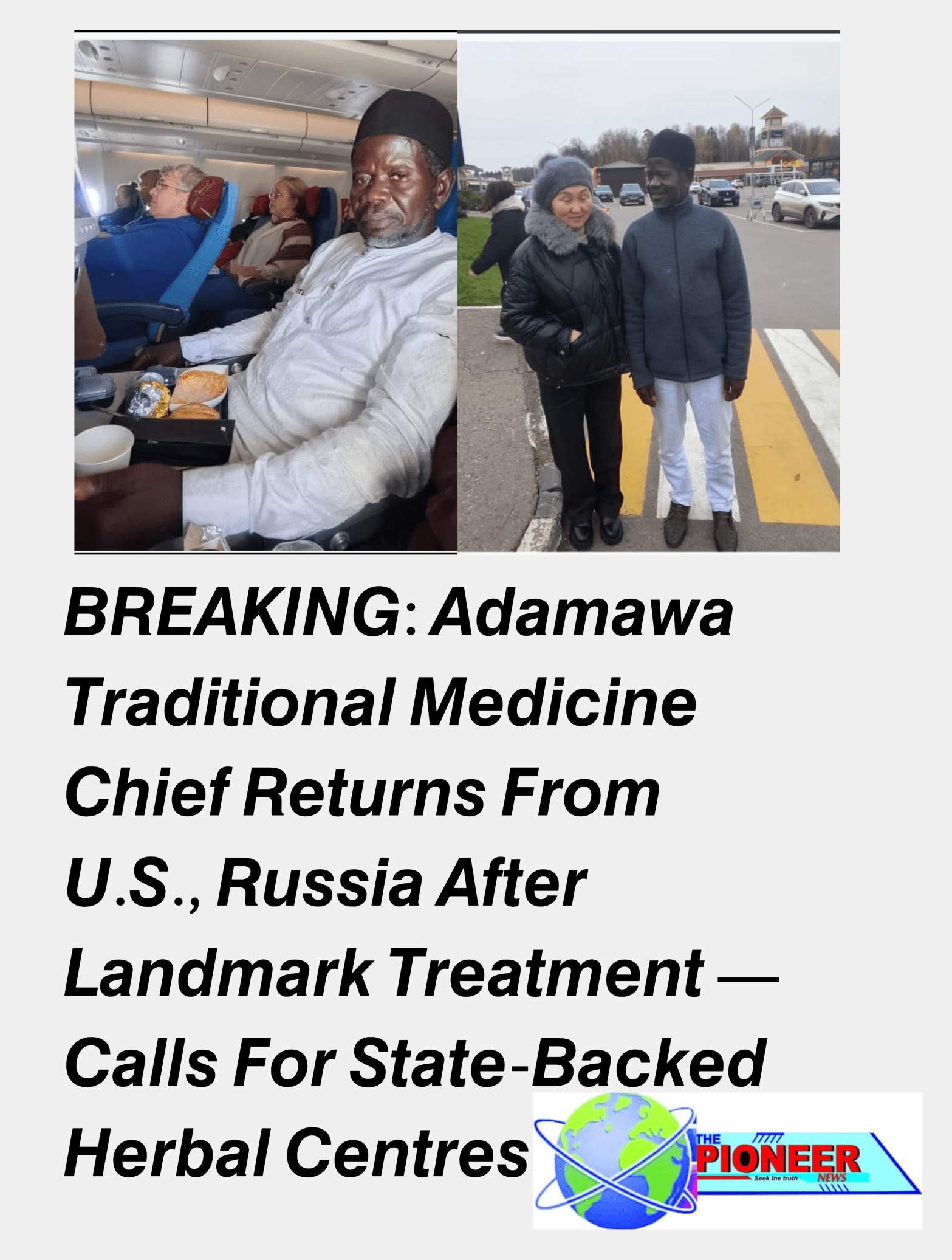
Adamawa State’s foremost traditional healer, Malam Umar Malami, Chairman of the Traditional Medicine Practitioners Association in Girei Local Government, has made what many are describing as a historic medical breakthrough, returning to Nigeria after successful treatments in the United States and Russia.
Malami — popularly known across the region as “Umaru Master” — arrived in Adamawa glowing with gratitude, declaring his journey “a powerful testimony of faith, healing, and the meeting point between modern science and ancient herbal knowledge.”
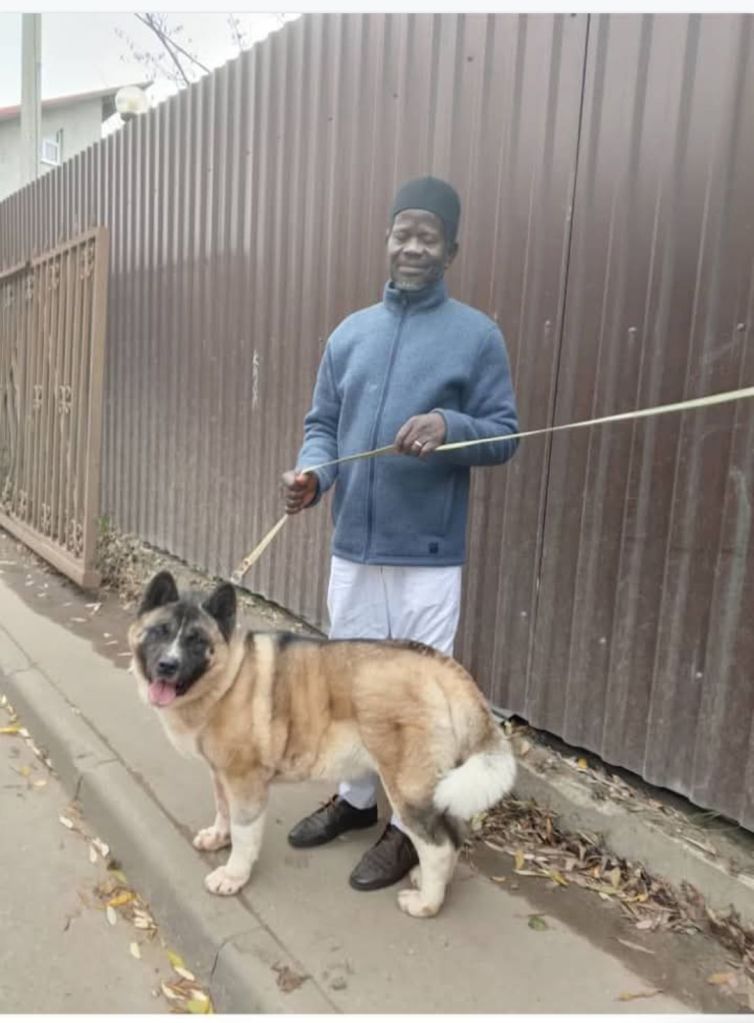
Speaking to journalists, Malami credited Almighty Allah for his recovery, revealing that his mission abroad went beyond personal medical treatment: he directly witnessed cases that stunned medical experts, showcasing the power of properly applied traditional medicine.
> “In the U.S., one of my patients who had been on admission for over four months was treated in just three days,” Malami said.
“In Russia, a patient battling a severe mental disorder is now fully rehabilitated and mentally stable. These things strengthen my belief that healing is a divine gift.”
Malami, who has practised traditional medicine for decades, said his experience abroad has reaffirmed his belief that African herbal medicine remains one of the world’s richest untapped medical resources.
He urged the Adamawa State Government to seize the opportunity and establish Traditional Medicine Centres across all LGAs, noting that countries such as Nigeria, Morocco, and the United Arab Emirates already possess natural advantages in herbal pharmacology.
> “We have something the world is looking for,” he said.
“Traditional medicine can generate jobs, improve health outcomes, and reduce pressure on overstretched hospitals—if government supports it.”
Malami also used the opportunity to commend Governor Ahmadu Umaru Fintiri for his developmental strides across the state and his efforts at maintaining peace. He called for greater honesty, ethics, and humility among traditional healers, reminding practitioners that “healing does not come from man, but from the Creator.”
He advised traditional healers to stop exploiting desperate patients, especially those from poor backgrounds, and avoid practices that tarnish the reputation of the profession.
Malami further extended his message beyond healthcare, issuing a passionate appeal to political leaders at all levels:
> “This is not the time for division. Our security challenges are bigger than politics. Let leaders forget party colours and unite to save the nation. Security is our collective responsibility.”
His journey — and the testimonies emerging from abroad — has reignited conversations around the integration of traditional medicine into Nigeria’s healthcare architecture, especially as citizens seek alternative remedies for rising medical costs and limited hospital access.
As Adamawa State weighs its path toward harnessing local medicinal knowledge, Malami’s return stands as both a personal triumph and a national signal: that the future of healthcare in Africa may lie in the fusion of age-old wisdom and modern scientific innovation.
 PIONEER NEWS