By Our Correspondent
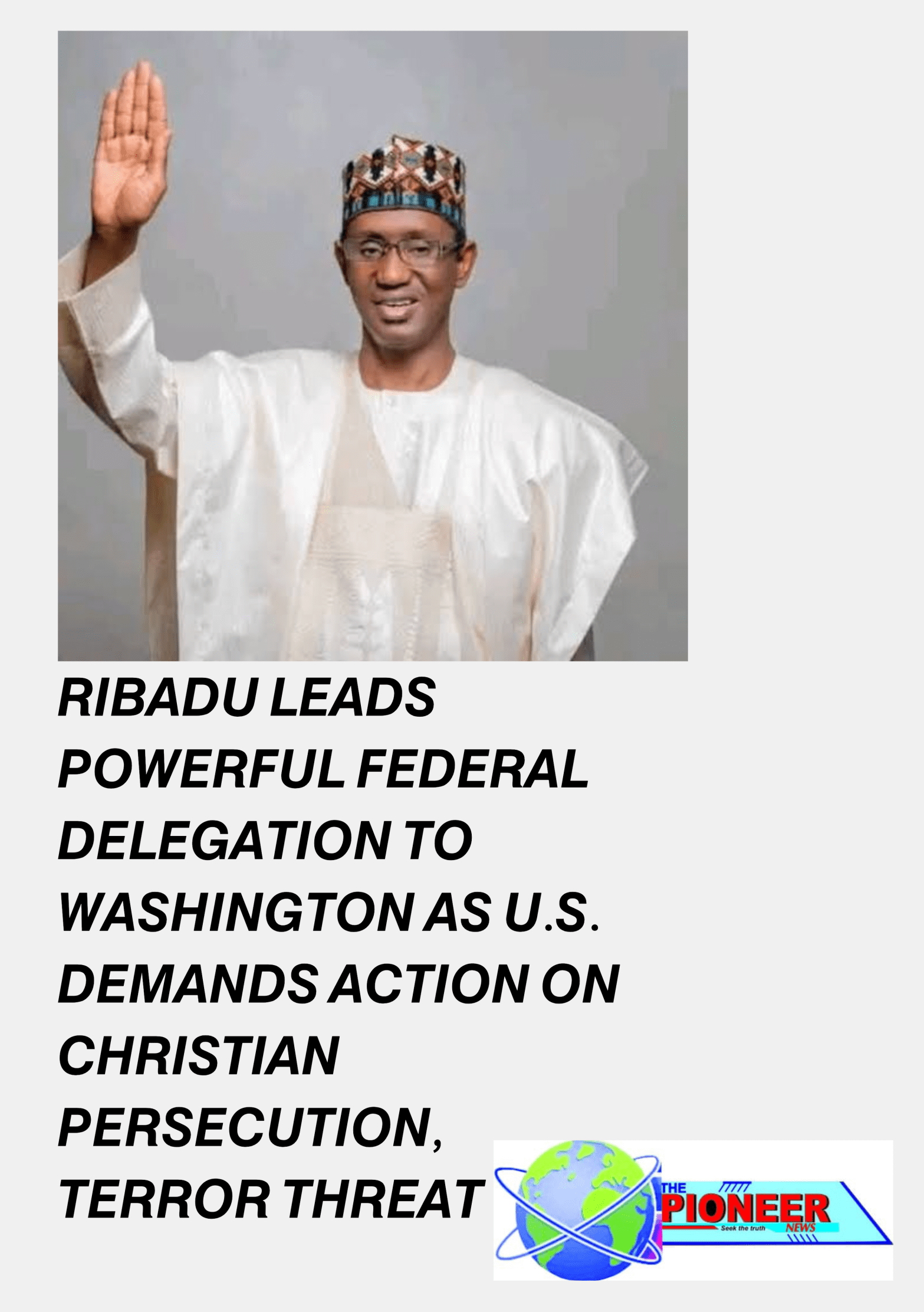
In a major diplomatic development, National Security Adviser Mallam Nuhu Ribadu is leading a high-powered delegation of top Nigerian security and foreign affairs officials to the United States for crucial talks aimed at confronting Nigeria’s escalating insecurity and the persistent persecution of Christians in several regions of the country.
The delegation met with U.S. Congressman Riley M. Moore on Wednesday in Washington, D.C., in what insiders described as a frank, intense, and highly strategic engagement focused on terrorism, religious violence, and bilateral security cooperation.
According to a press statement from Congressman Moore’s office, the meeting provided an opportunity for open, honest, and deeply impactful conversations about the ongoing killings, displacement, and terror attacks linked to Boko Haram, ISWAP, and other militant groups, particularly in Nigeria’s Northeast and Middle Belt.
Congressman Moore did not mince words. He reiterated that the United States is deeply concerned about the violence Christians continue to face, warning that Washington “will not tolerate continued persecution” under any guise — a position he said aligns with former President Donald Trump’s uncompromising stance on religious freedom.
Moore emphasized that while the U.S. remains ready to cooperate with Nigeria, it expects tangible, measurable steps from Abuja to protect vulnerable communities and strengthen counterterrorism operations.
> “I made it crystal clear that the United States must see concrete action to ensure Christians are not subjected to persecution, displacement, or murder simply for their faith,” Moore stated.
He further stressed that America stands firm in its willingness to support Nigeria in dismantling Boko Haram, ISWAP, and violent extremist groups threatening national stability.
During the closed-door session, the Nigerian delegation outlined the country’s complex security landscape, highlighting efforts to contain terrorism, protect minority communities, and manage widespread violence across various states. They also raised concerns about gaps in international cooperation, equipment access, and intelligence sharing.
Ribadu and his team reportedly made a case for enhanced U.S.–Nigeria collaboration, particularly in counterterrorism training, intelligence support, and strategic security assistance.
Congressman Moore, signaling bipartisan support in Washington on the matter, warned that the U.S. expects Nigeria to “accept the open hand of cooperation” as both countries seek lasting solutions to extremist violence.
> “President Trump and Congress are united and serious in our resolve to end violence against Christians and destroy terrorist networks in Nigeria,” Moore said.
He added that the U.S. views this moment as a critical turning point for Nigeria to deepen its ties with Washington.
THE FEDERAL DELEGATION TO WASHINGTON
The Nigerian entourage includes some of the most influential figures in the country’s security and diplomatic architecture:
Mallam Nuhu Ribadu – National Security Adviser, Head of Delegation
Her Excellency Bianca Ojukwu – Minister of State for Foreign Affairs
Kayode Egbetokun – Inspector General of Police
Chief Lateef Olasunkami Fagbemi, SAN – Attorney General of the Federation
General Olufemi Olatunbosun Oluyede – Chief of Defence Staff
Lt. Gen. E.A.P. Undiendeye – Chief of Defence Intelligence
Ms. Idayat Hassan – Special Adviser to the NSA
Ambassador Ibrahim Babani – Director of Foreign Relations, ONSA
Ambassador Nuru Biu – Acting Chargé d’Affaires, Embassy of Nigeria
Paul Alabi – Political & Economic Section, Embassy of Nigeria
A Visit With Far-Reaching Implications
Diplomatic watchers say the outcome of this visit could shape Nigeria’s international security partnerships for years to come, especially as the nation seeks stronger global support to tackle terrorism and rising religious extremism.
Ribadu’s delegation is expected to hold more high-level engagements with U.S. government officials, think tanks, and security agencies before concluding their visit.
 PIONEER NEWS