
The Adamawa State Government is facing mounting public outrage after approving a staggering ₦5.379 billion for a series of renovation and upgrade projects—ranging from the Presidential Lodge to flyover barriers—even as public schools across the state crumble under neglect.
The approvals, granted during the 20th State Executive Council meeting of 2025 presided over by Governor Ahmadu Umaru Fintiri, include multi-million-naira contracts for what officials describe as “critical infrastructure enhancement.”
Among the allocations are ₦837 million for the renovation of the State Civil Service Commission, ₦279 million for upgrading the Presidential Lodge, ₦794 million for the Abuja Liaison Office, and ₦461 million for the Adamawa State Independent Electoral Commission (ADSIEC). Also approved were ₦926 million for the Adamawa Digital Academy Project and ₦181 million for height restriction barriers and signage at four flyovers in Yola.
Commissioner for Information and Strategy, Iliya James, defended the decisions, describing them as vital to the governor’s “urban renewal and modernization vision.”
But across the state, citizens and civic groups are condemning the move as a symbol of misplaced priorities and elite insensitivity.
> “How do you justify spending nearly ₦300 million on a Presidential Lodge when children in Yola and Mubi sit on bare floors to learn?” one civil society activist asked.
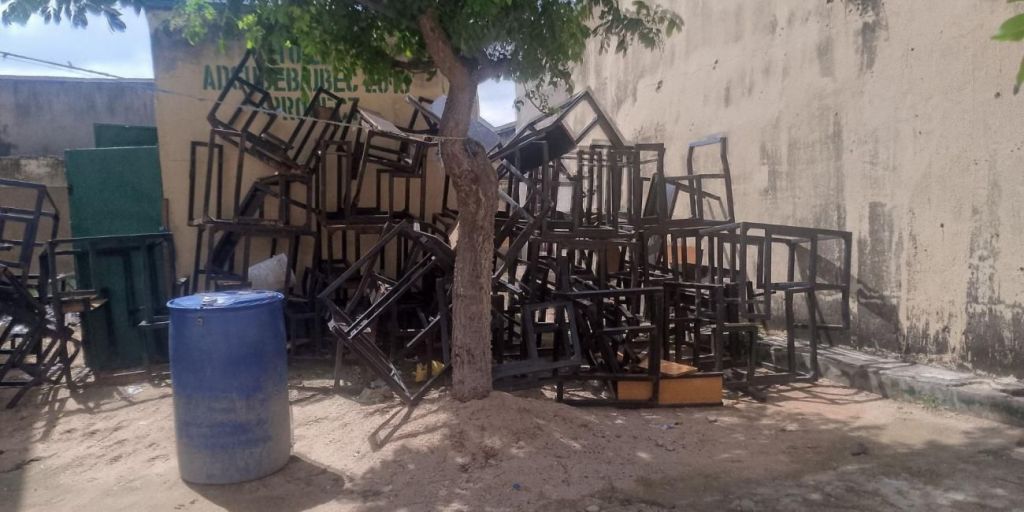
From Yola to Ganye, the deplorable state of public schools tells a grim story. At Government Day Primary School, Damilu, pupils attend classes under trees and in roofless, cracked buildings surrounded by refuse dumps and stagnant water.
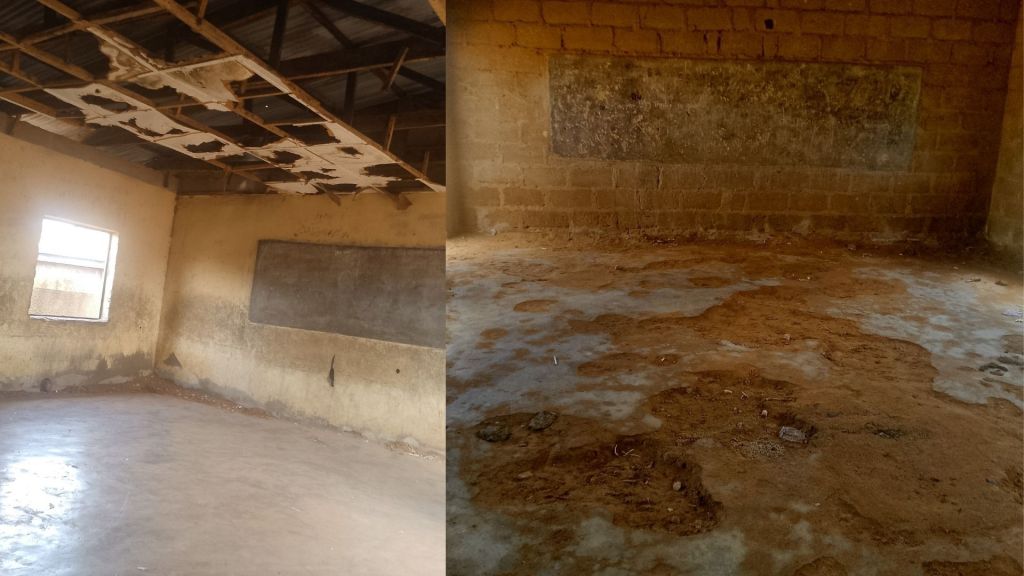
> “They call it a school, but it’s a ruin,” lamented a parent. “Meanwhile, billions are going into offices for politicians.”
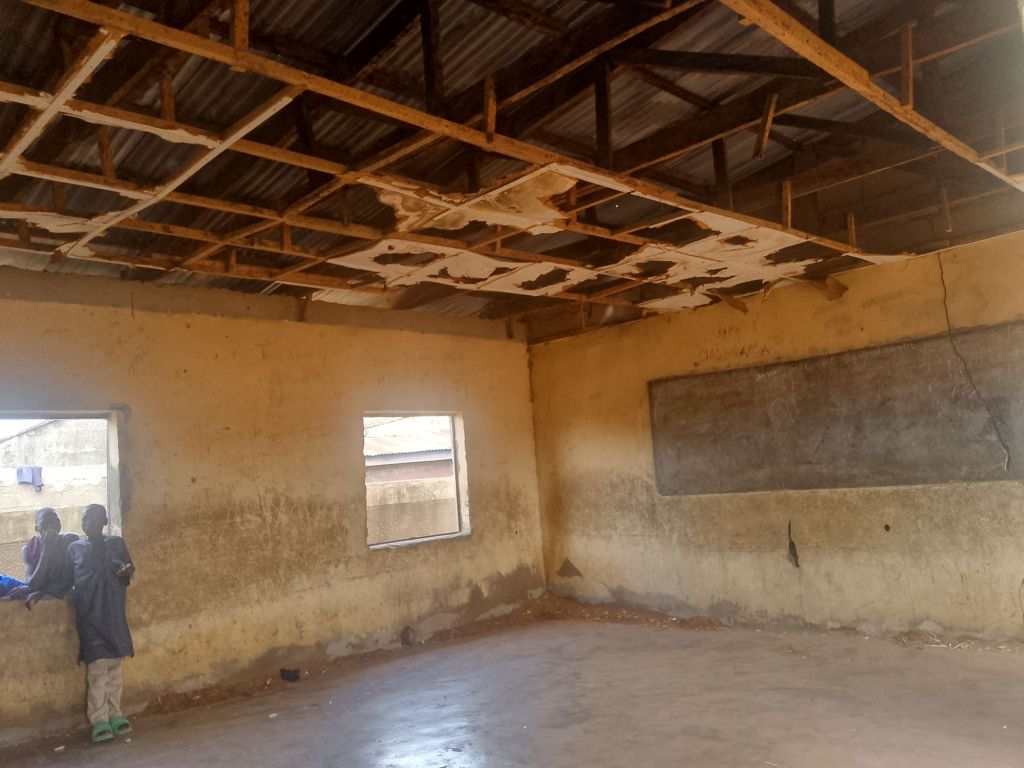
In Ganye Local Government Area, the situation is equally dire. Government Secondary School, Sugu—once a premier Women’s Teachers College—has become a relic of decay. Following the relocation of Government Science Secondary School Ganye, hundreds of students now crowd into its dilapidated classrooms, with collapsing roofs and crumbling walls.
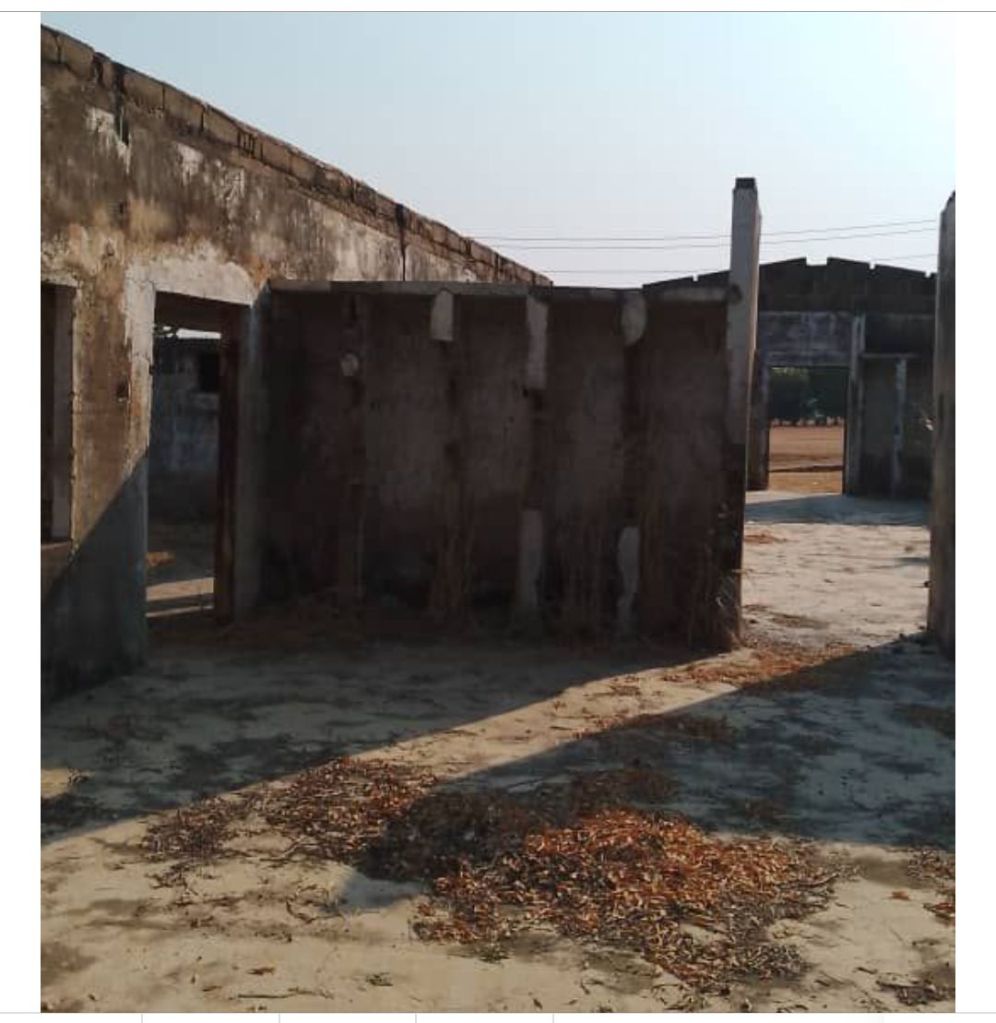
Community leaders have repeatedly appealed for intervention, describing the facility as “a disgraceful welcome sight” to anyone landing in Yola. Yet, their pleas remain unanswered.
Questionable Pricing and Suspected Inflation
Experts and engineers have also raised alarms over the suspiciously inflated costs of several approved projects. The ₦181 million allocation for flyover height barriers and signage at four locations—Unity, Lamido Aliyu, and Mubi Roundabout—has been described as “excessive and unjustifiable.”
> “That kind of money could build a decent rural school or health centre,” said a Yola-based civil engineer. “Either the government is being misled—or someone is cashing out.”
Analysts link this pattern of extravagant spending to the surge in state allocations following President Bola Tinubu’s 2023 fuel subsidy removal. While the policy expanded fiscal space for states, critics say it also emboldened governors to embark on politically driven luxury projects.
> “Tinubu’s reforms have enriched state executives while impoverishing citizens,” an economist told The Pioneer Newspaper. “Instead of building schools and hospitals, they’re constructing ornamental offices and digital academies that serve the elite.”
Public Outcry and the Call for Accountability
Civil society groups are now demanding transparency and a redirection of resources toward critical sectors, especially education and healthcare.
> “Governance isn’t about painting offices—it’s about building people,” said an education rights advocate in Yola. “Adamawa’s future is being abandoned in broken classrooms while the government celebrates renovations.”
As Adamawa’s corridors of power get fresh coats of paint and gleaming air conditioners, its classrooms remain roofless and forgotten—a painful metaphor for a government that seems to value palace prestige over public purpose.
 PIONEER NEWS