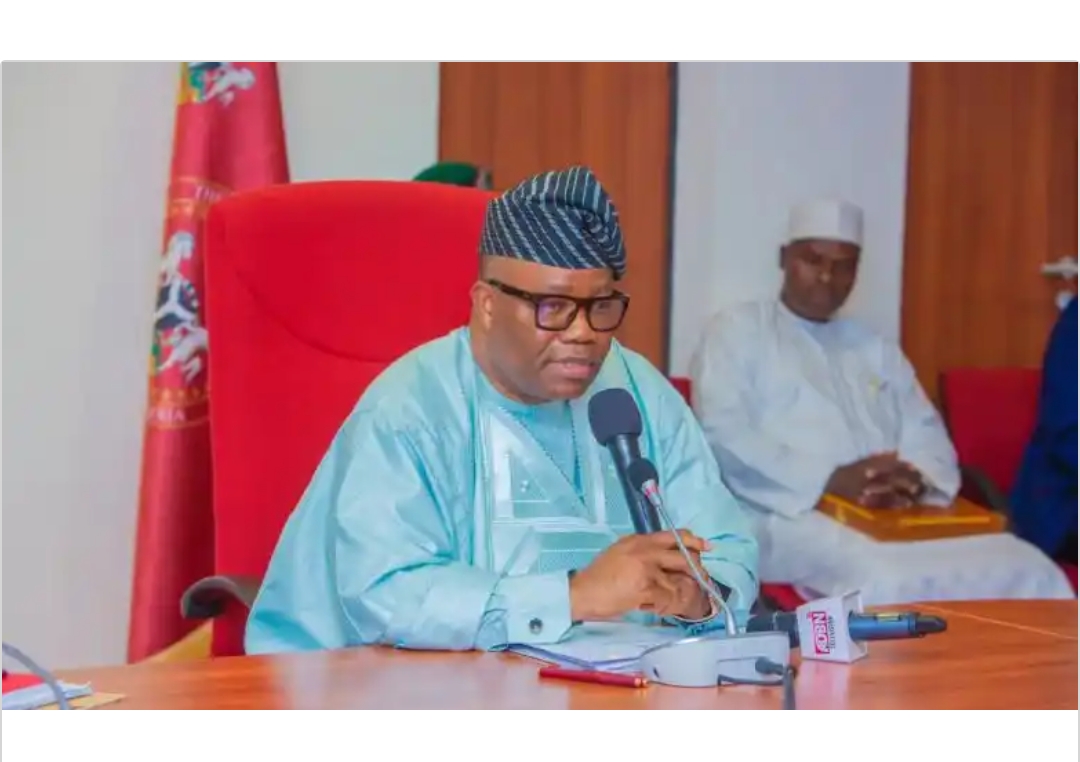
Abuja — A fierce storm is brewing in Nigeria’s National Assembly as Senators prepare to confront what they describe as a “dangerous and misleading” narrative of an alleged Christian genocide gaining traction in the United States and other parts of the international community.
The upper chamber, led by Senator Mohammed Ali Ndume (Borno South), on Monday tabled a motion titled: “Urgent Need to Correct Misconceptions Regarding the Purported ‘Christian Genocide’ Narrative in Nigeria and International Communities.” The motion is co-sponsored by heavyweight lawmakers including Senators Sani Musa, Magatakarda Wamako, Ibrahim Bomai, and Ahmed Wadada.
Ndume warned that while Christian communities have undeniably suffered devastating assaults, the portrayal of Nigeria’s blood-soaked security crisis as a religiously targeted extermination is both inaccurate and inflammatory. He cautioned that such framing risks inflaming sectarian divisions at home and damaging Nigeria’s fragile diplomatic standing abroad.
> “Nigeria’s insecurity is driven by terrorism, insurgency, banditry, and communal conflicts that have claimed lives across religious, ethnic, and regional lines. To reduce this to a ‘Christian genocide’ is a dangerous oversimplification,” Ndume declared.
The Senate expressed concern over mounting pressure in Washington, where influential voices are calling for Nigeria to be designated a “Country of Particular Concern” (CPC) — a label reserved for nations accused of egregious religious persecution. Lawmakers warned that such a move could deal a heavy blow to Nigeria’s international reputation and trigger economic sanctions.
To counter the escalating narrative, the Senate is pushing for an aggressive diplomatic and communication strategy, which includes:
Direct engagement with US lawmakers and diaspora networks through official briefings and fact-driven reports.
Releasing verified casualty data and investigative findings to present an accurate picture of Nigeria’s security crisis.
Closer coordination between the Senate Committees on Foreign Affairs, National Security, and Information with relevant ministries to streamline Nigeria’s international messaging.
Encouraging local media, civil society, and religious leaders to adopt restraint and avoid sensational narratives that could stoke sectarian fire.
The Senate also urged foreign embassies, international media, and NGOs to rely on credible and balanced information instead of unverified claims when reporting on Nigeria’s religiously sensitive issues.
The debate comes just days after outspoken US television host Bill Maher used his HBO platform to accuse global media of turning a blind eye to what he described as a “silent genocide” of Christians in Nigeria. Citing unverified claims that over 100,000 Christians have been killed since 2009 and thousands of churches destroyed, Maher argued that groups like Boko Haram, ISIS-West Africa, and armed Fulani militias are waging a religiously motivated war.
His remarks gained political traction in Washington, with Republican Congresswoman Nancy Mace backing calls for urgent international attention, warning that the crisis has been dangerously underreported.
Reacting to the heated global discourse, Minister of Information and National Orientation, Mohammed Idris, rejected the “Christian genocide” framing as both false and divisive.
“Terrorist groups in Nigeria target indiscriminately. Muslims, Christians, and even those with no religion have suffered gravely. To portray this as a campaign against one faith alone is a gross distortion of reality,” Idris insisted.
As the Senate sharpens its response and prepares to confront US lawmakers, the battle over Nigeria’s global image appears set to escalate — with diplomatic consequences hanging in the balance.
BREAKING: Nigerian Senate Pushes Back Against ‘Christian Genocide’ Label, Moves To Engage US Lawmakers Over Allegations
 PIONEER NEWS