By PREMIUM TIMES Investigation Desk
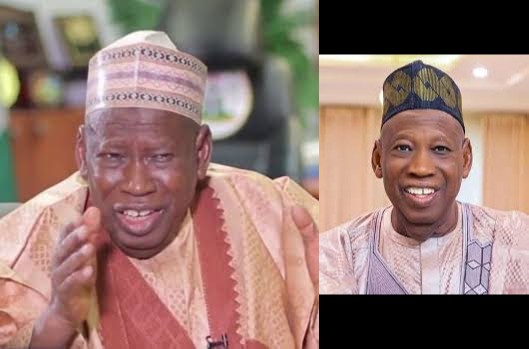
Kano, Nigeria – A PREMIUM TIMES investigation has exposed a shocking web of secret deals in which former Kano State Governor, Abdullahi Umar Ganduje, allegedly stripped the state of its 20 per cent ownership stake in the Dala Inland Dry Port Limited and quietly handed it over to his children, before approving a multi-billion-naira contract at the same facility.
The investigation reveals that Ganduje, who governed Kano between 2015 and 2023 and later resigned this year as the National Chairman of the All Progressives Congress (APC), removed Kano State from the ownership structure of one of the North’s most strategic trade assets. The shares, originally bought by the state under the Shekarau administration, were reportedly transferred to companies linked to Ganduje’s children, effectively making them directors and shareholders of the project.
Not long after this covert transfer, the former governor awarded a contract exceeding N4 billion for critical infrastructure development at the dry port—works that were initially meant to be covered under the state’s equity contribution.
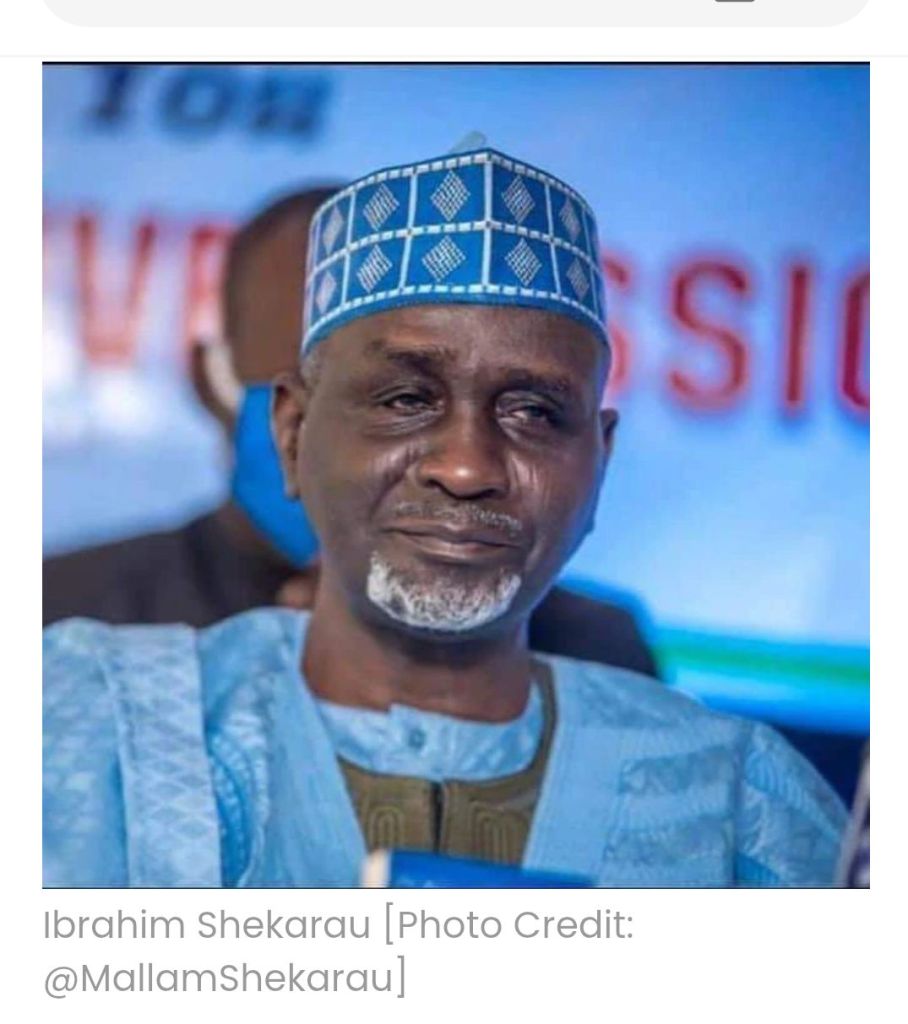
On September 4, 2006, nearly a decade before Ganduje assumed office, the Kano State Government acquired a 20 per cent stake in the Dala Inland Dry Port Limited. The approval, signed off by then-Commissioner for Commerce, Industry and Cooperatives, Ahmad Yakasai, under Governor Ibrahim Shekarau, followed the federal government’s 2003 port reform policy.
That policy was designed to open the sector to private investors while preserving 20 per cent ownership each for the federal and host state governments. It capped private investors’ stakes at 60 per cent.
The policy also outlined clear obligations: while private investors were expected to handle infrastructure and equipment, government partners—federal and state—would provide minority equity to ensure public interest protection.
However, investigations show that Ganduje’s government quietly undermined this arrangement. By divesting Kano’s equity and inserting his children as co-owners, the former governor not only edged out the state but also placed control of a multi-billion-naira strategic trade hub into family hands.
The Dala Inland Dry Port, located in Kano—the commercial heartbeat of northern Nigeria—was envisioned as a game-changer for regional and cross-border trade. Designed to ease import and export processes, it serves as a transit hub for goods destined for Niger, Chad, Cameroon, and beyond.
In August 2020, the federal government elevated the facility’s status, granting it recognition as both a port of origin and a port of final destination. It was also designated a logistics free trade zone, further boosting its strategic importance.
Spanning 35 hectares, with another 165 hectares earmarked for free zone enterprises, the port was positioned as a future engine of economic growth in the region—until the controversial divestment cast a long shadow over its ownership and governance.
The Big Questions
Why was Kano State stripped of its equity in a project it co-founded?
How did Ganduje’s children emerge as directors and shareholders in a venture originally meant to serve public interest?
And why did the state still spend over N4 billion on infrastructure works after being edged out?
These revelations raise fresh concerns about governance, transparency, and the fate of strategic assets in Nigeria’s most populous northern state.
As investigations deepen, the scandal threatens to define yet another chapter in the checkered legacy of Abdullahi Ganduje, already facing a trail of controversies from his years in power.
 PIONEER NEWS