By Our Correspondent
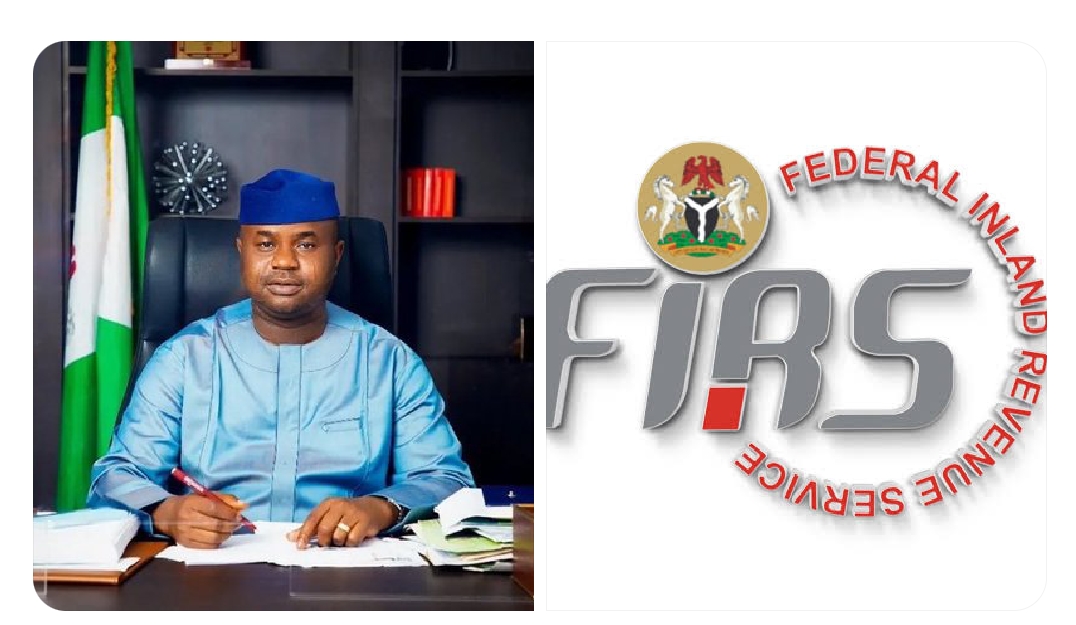
The Executive Chairman of the Federal Inland Revenue Service (FIRS) has urged Nigerians to change their outlook on taxation, stressing that taxes are not a punishment but the backbone of sustainable national development.
In a statement shared via the official handle of Nigerian Stories on X (formerly Twitter), the FIRS boss declared that the culture of tax payment remains central to building infrastructure, funding social services, and securing the nation’s future.
“Taxes Build Nations, Not Oil”
The FIRS helmsman reminded citizens that the world’s most prosperous nations are not built on oil wealth but on robust tax systems. He noted that while natural resources are finite, taxes provide a sustainable and renewable stream of revenue for governments to deliver on their promises.
“Every functional road, every modern hospital, every equipped classroom, and every social intervention is a direct product of taxes. Citizens must stop seeing taxes as punishment, but rather as their own direct investment in the nation’s prosperity,” he said.
Nigeria’s Struggle with Tax Compliance
Nigeria’s tax-to-GDP ratio — currently hovering around 10% — remains one of the lowest in Africa, far below the continental average of 16% and the global average of 33%. Experts argue that this weak tax culture has left the country heavily dependent on oil revenues, which are vulnerable to global price shocks.
The FIRS boss warned that unless Nigeria strengthens its internal revenue base, it risks stagnation and over-reliance on borrowing. “Taxation is not just about government; it is about creating an economy that works for everyone,” he stressed.
Acknowledging citizens’ skepticism, the tax chief admitted that compliance cannot thrive without accountability. He assured Nigerians that FIRS is implementing reforms to simplify processes, close leakages, and ensure transparency in the use of collected funds.
“We are modernizing the tax system, leveraging technology, and ensuring fairness in tax administration. Every kobo collected will be accounted for. Trust is the currency that sustains tax systems, and we are committed to earning it,” he said.
Global Lessons on Taxation
Analysts note that Nigeria has much to learn from countries such as Rwanda, where consistent tax reforms have transformed domestic revenue into a tool for national renewal, funding healthcare, education, and infrastructure. Similarly, in advanced economies like the United States and Germany, citizens see tax as a civic duty because government services are visibly tied to revenue collection.
Economic experts have welcomed the FIRS boss’s call, stressing that taxation is a two-way street. Citizens must play their part by complying, while the government must fulfill its responsibility by making judicious use of taxpayers’ money.
“Taxation is the most sustainable path to self-reliance. Oil may run dry, foreign loans may dry up, but as long as citizens pay taxes and government remains accountable, the nation will stand strong,” an economist told our correspondent.
As Nigeria navigates mounting economic challenges, the FIRS message serves as both a reminder and a rallying cry: that the path to prosperity does not lie in avoiding taxes, but in embracing them as a collective foundation for national progress.
 PIONEER NEWS