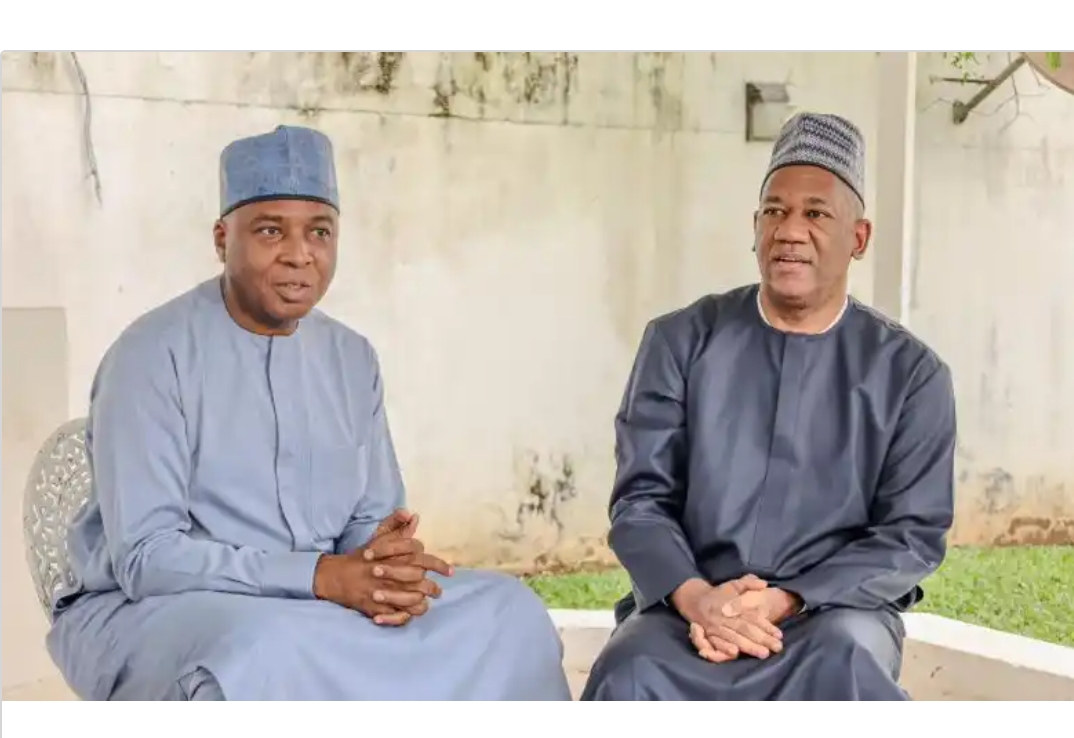
ABUJA — Former Senate President, Dr. Bukola Saraki, has paid a condolence visit to Senator Datti Baba-Ahmed, the 2023 Labour Party (LP) vice-presidential candidate and running mate to Peter Obi, following the passing of his elder brother, Alhaji Mouftah Baba-Ahmed.
Saraki, in a heartfelt message shared on his X (formerly Twitter) account on Tuesday, described the late Alhaji Mouftah as a man of integrity and noble character.
> “Inna lillahi wa inna ilayhi raji’un. Today, I visited Senator Datti Baba-Ahmed, to commiserate with him and his entire family over the passing of his brother, Alhaji Mouftah Baba-Ahmed. Alhaji Mouftah lived a noble life and will be remembered as a man of integrity and character. I pray that Almighty Allah (SWT) forgives his shortcomings, grants him Aljannah Firdaus, and strengthens the Baba-Ahmed family with peace and patience during this difficult time,” Saraki wrote.
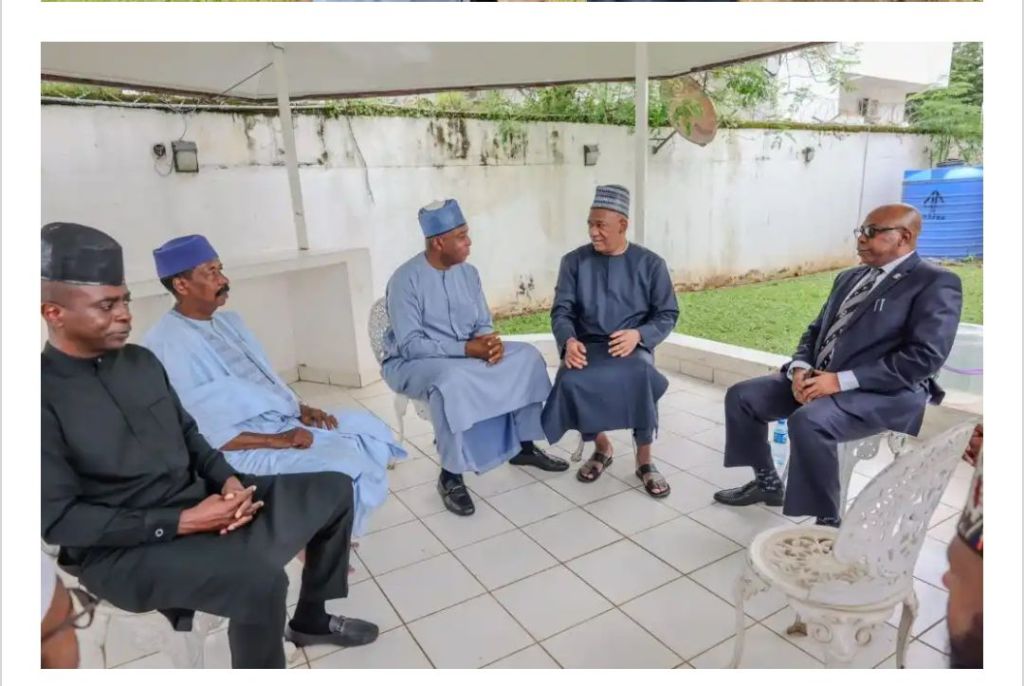
The Baba-Ahmed family, one of the most respected political and business dynasties in Northern Nigeria, has long played a significant role in national discourse. The death of Alhaji Mouftah marks a solemn moment, but the condolence visit by Saraki — a two-term governor, ex-Senate President, and influential PDP chieftain — has already stirred subtle political interpretations.
Datti Baba-Ahmed, who alongside Peter Obi ran on the Labour Party platform in the 2023 presidential election, remains a key figure in Nigeria’s evolving opposition politics. The LP ticket garnered over six million votes nationwide, finishing third behind President Bola Tinubu of the APC and Atiku Abubakar of the PDP.
Since then, Obi has moved to form a coalition with the African Democratic Congress (ADC) and other parties ahead of the 2027 general elections, while Baba-Ahmed continues to maintain his strong presence within the LP.
Political analysts say the Saraki–Baba-Ahmed meeting, though primarily a condolence gesture, may also serve as a pointer to shifting alliances and consultations in the build-up to 2027.
For now, the Baba-Ahmed family mourns the passing of a patriarchal figure, even as Nigeria watches closely how these symbolic political encounters could shape the country’s future.
 PIONEER NEWS