By our correspondent
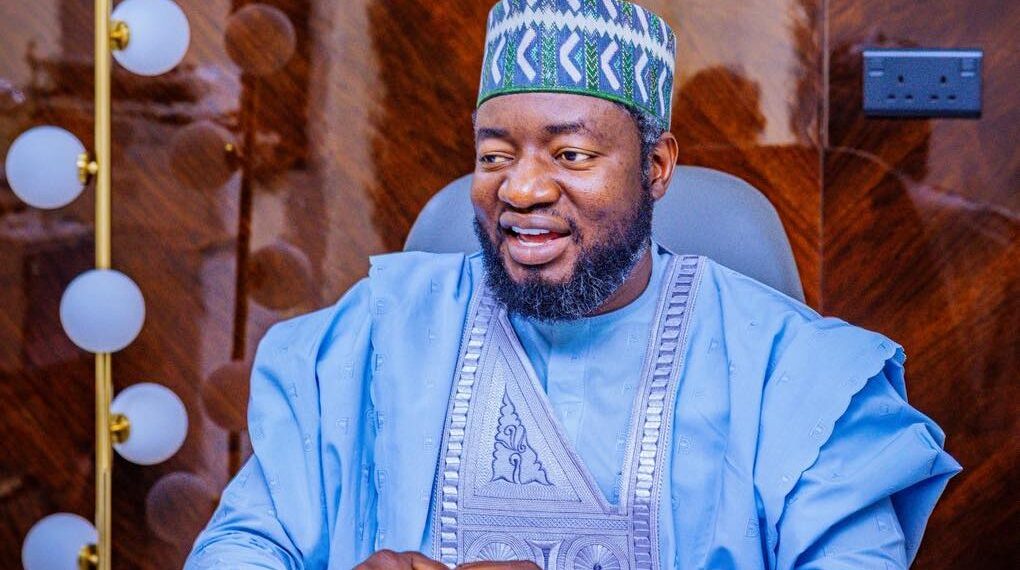
The heated debate over the creation of state police took a dramatic turn on Sunday as Hon. Yusuf Gagdi (APC, Plateau), a prominent member of the House of Representatives, declared his outright rejection of the proposal, warning that it could worsen Nigeria’s security woes rather than solve them.
Gagdi, who represents Pankshin/Kanke/Kanam Federal Constituency, voiced his concerns during a visit to several terror-stricken communities in Kanam Local Government Area of Plateau State, where residents continue to live under the shadow of banditry, kidnappings, and deadly raids. The lawmaker toured Garga, Kukawa, Kyaram, Gyambau, Dungur, and Shuwaka communities, assuring locals of his solidarity while reiterating his opposition to the controversial State Police Bill.
> “My position, even on the House floor, is that governors will misuse state police, particularly against political opponents, not to maintain peace and order. Nigeria is not ripe for the proliferation of security agencies,” Gagdi warned.
According to him, strengthening and adequately funding existing federal security institutions — the police, military, and State Security Service (SSS) — remains a more sustainable and effective pathway to restoring peace and stability across the country.
PUBLIC HEARING KICKS OFF MONDAY
Despite Gagdi’s fierce opposition, momentum for the creation of state police continues to grow within the Green Chamber. A public hearing on the State Police Bill has been slated for Monday, where citizens, experts, and interest groups are expected to make submissions.
Deputy Speaker Benjamin Kalu, one of the strongest advocates of the proposal, insists that decentralised policing is urgently needed to improve grassroots security response and give communities a stronger sense of ownership in law enforcement.
A HISTORY OF REJECTIONS
The rejection of state police is not new in Nigeria’s political space. Former President Muhammadu Buhari repeatedly resisted calls for its creation during his administration, warning that governors could easily weaponise such forces for partisan battles.
Similarly, past police chiefs and federal lawmakers have cited fears of abuse, especially during elections. In 2012, former Inspector-General of Police, Mohammed Abubakar, opposed the idea, arguing that Nigeria lacked the structures to sustain it. The same concerns resurfaced in 2020 when lawmakers expressed worry that state police might be manipulated to intimidate political rivals.
CALL FOR FEDERAL ACTION
During his community tour, Gagdi urged the federal government and security agencies to intensify clearance operations in forests straddling the Plateau, Taraba, and Bauchi borders — notorious hideouts for bandits.
He also cautioned security operatives against compromise and encouraged residents to take lawful steps in defending themselves.
> “The security situation demands courage, not compromise. While our security agencies must rise to the task, our people must also be vigilant and proactive in safeguarding their communities within the ambit of the law,” he said.
Gagdi’s strong stance underscores the sharp divide in the National Assembly as Nigeria inches closer to a landmark decision on whether to decentralise policing — a move many say could reshape the country’s security architecture for generations.
 PIONEER NEWS