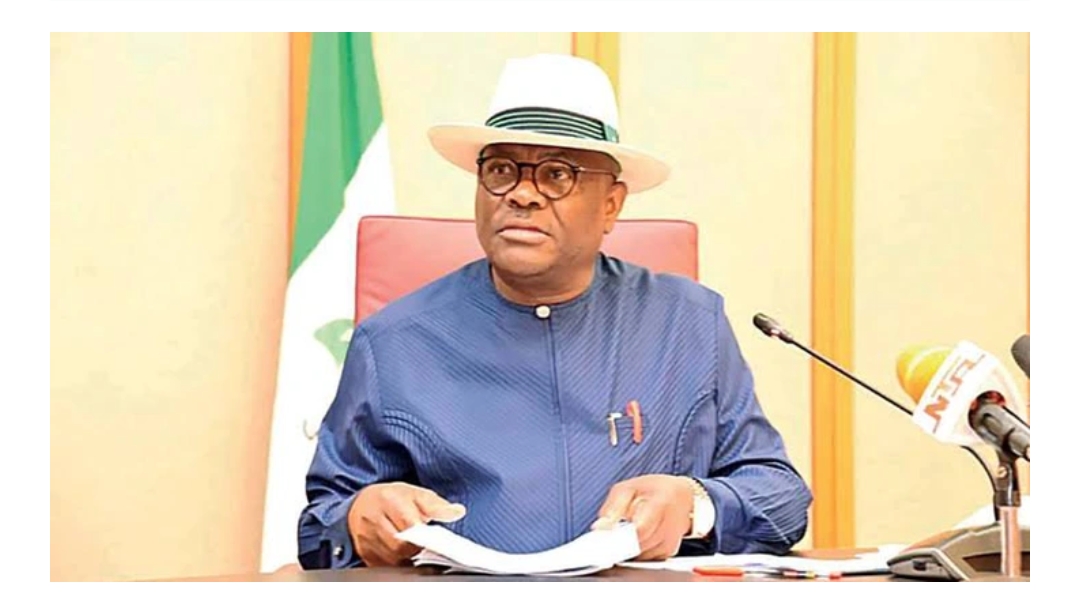
The Minister of the Federal Capital Territory (FCT), Nyesom Wike, may face arrest on arrival in New York for the United Nations General Assembly (UNGA), following fresh allegations linking him to multi-million-dollar property acquisitions in the United States.
Investigations by OSUN DEFENDER reveal that Wike, one of the most prominent figures in President Bola Tinubu’s administration, allegedly bought at least three luxury homes in Winter Springs, Florida, using suspected proceeds of corruption.
Properties in Wife and Children’s Names
The former Rivers State governor reportedly acquired the foreign assets in the name of his wife, Justice Eberechi Suzzette Nyesom-Wike, a serving judge of Nigeria’s Court of Appeal. Further findings show that the couple allegedly executed U.S. “Quit Claim Deeds” to transfer ownership of the properties to their children — a process critics describe as a cloak for laundering stolen wealth.
A Quit Claim Deed, widely used in family property transfers in America, bypasses warranties and title checks. While it appears harmless on paper, it is often exploited by corrupt officials to conceal illicit acquisitions.
Sowore Blows Whistle
Activist and former presidential candidate, Omoyele Sowore, sounded the alarm on social media, accusing Wike of “trafficking in stolen property” and laundering funds through his family members.
“It turns out that international thief Nyesom Wike has three different properties in Winter Springs, Florida,” Sowore alleged. “All of them were hidden under the name of his wife, who also serves as a Court of Appeal judge in Nigeria, and shared out to his children. This is a textbook case of laundering Nigerian wealth into U.S. real estate.”
He further revealed that he has already petitioned the Florida Attorney General, James Uthmeier, urging U.S. authorities to investigate and act. Sowore stressed that the acquisitions constitute “first-class felony offences” under American law, carrying the potential for asset seizure, prosecution, or even Wike’s arrest upon entering U.S. territory.
The allegations against Wike echo similar high-profile U.S. crackdowns on Nigerian politicians who allegedly laundered stolen wealth into American real estate. Past cases have seen assets frozen and forfeited under the U.S. Department of Justice’s Kleptocracy Asset Recovery Initiative.
Independent Nigerian outlets have also previously questioned Wike’s financial dealings. Peoples Gazette published documents alleging that the FCT Minister allocated prime Abuja lands to his wife and relatives, fueling suspicion of abuse of office.
Analysts warn that Wike’s case underscores a broader pattern in which Nigerian officials allegedly divert public funds into foreign havens while citizens endure worsening poverty and underdevelopment.
Amid mounting pressure, Wike has yet to personally address the allegations. However, his media aide dismissed Sowore’s claims, describing them as “noise” made from publicly available documents.
“Did Wike ever deny that his wife has properties in the U.S.? No, he didn’t,” the aide said in a statement. He went further to accuse Sowore of hypocrisy, alleging that the activist misrepresented his assets during his presidential bid.
Diplomatic Implications Loom
The timing of the scandal is significant. With Wike scheduled to attend UNGA in New York this week, observers say his presence could ignite controversy, casting a shadow on Nigeria’s diplomatic delegation.
“Should U.S. authorities act on Sowore’s petition, Wike’s international movements could be constrained, with grave legal and diplomatic implications,” one analyst noted.
As the storm gathers, questions remain unanswered: Will U.S. law enforcement move against a sitting Nigerian minister? Or will the allegations fizzle into yet another tale of corruption swept under the rug?
For now, the spotlight burns hot on Wike, Tinubu’s most visible ally, as the world watches what happens when allegations of kleptocracy collide with America’s anti-corruption machinery.
Corruption Scandal Rocks UNGA: Wike Faces Possible Arrest in New York Over U.S. Properties
 PIONEER NEWS