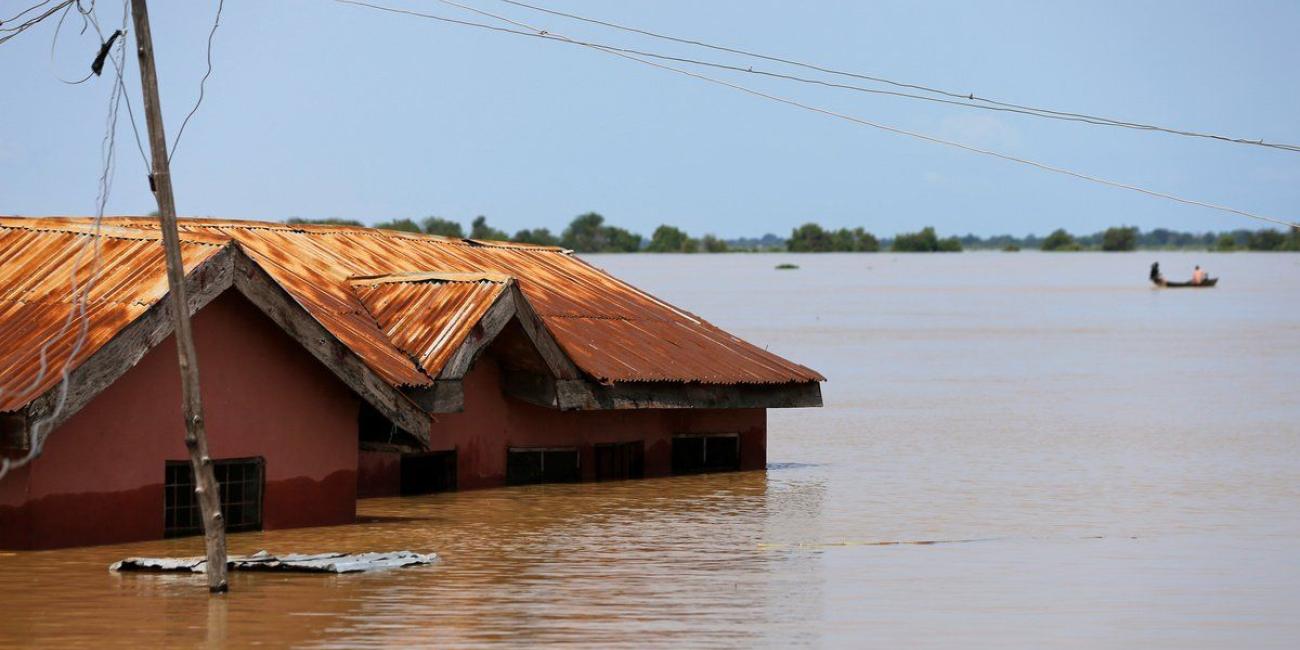
Thousands left homeless, food crisis looms as torrential rains unleash devastation in Yola communities
Adamawa State has been thrown into mourning and despair after torrential floods swept through multiple communities, killing three people, displacing over 1,400 households, and submerging vast farmlands in Yola North and Yola South local government areas.
The National Emergency Management Agency (NEMA), in a statement on Thursday, confirmed the devastation, describing it as one of the most destructive flood incidents to hit the state this year. A joint rapid assessment conducted by NEMA’s Yola Operations Office, the Adamawa State Emergency Management Agency (ADSEMA), and other stakeholders revealed that no fewer than 13 communities were ravaged, leaving behind trails of destruction.
At least 40 people were injured, while houses, roads, and critical infrastructure were swallowed by the rising waters, forcing families to abandon their homes and seek refuge in host communities and at the flood resettlement camp in Girei.
> “Displaced families are in urgent need of food, medical care, clean water, and temporary shelter,” NEMA stressed.
Farmers Count Their Losses, Fear Hunger Crisis
The floods also wiped out farmlands and destroyed crops at the peak of the rainy season, raising fresh fears of food insecurity in Adamawa and beyond.
“Our crops are gone, everything washed away. We don’t know how we will survive without assistance,” lamented a resident of Yola South, his eyes filled with despair as he pointed to waterlogged fields.
Experts warn that the destruction of farmland at this scale could cripple this year’s harvest, worsen hunger, and drive up food prices in an already struggling economy.
NEMA Issues Fresh Warning
The agency has urged residents in flood-prone areas to remain vigilant and strictly adhere to early warning alerts, cautioning that more floods are likely as the rainy season reaches its peak.
NEMA assured that it is working hand-in-hand with ADSEMA, local emergency committees, and humanitarian partners to deliver immediate relief and cushion the impact of the tragedy on affected families.
As the people of Adamawa battle displacement and hunger, the flood disaster has once again highlighted Nigeria’s growing vulnerability to climate change, poor drainage systems, and inadequate disaster preparedness.
 PIONEER NEWS