Nigerian farmers and food traders have reacted with mixed feelings to President Bola Ahmed Tinubu’s recent directive ordering a slash in food prices, aimed at easing the burden on struggling households across the country.
While the move has been widely welcomed by millions of ordinary Nigerians battling skyrocketing food costs, those at the heart of the agricultural and food distribution chain warn that the policy could push them into heavy losses.
Malam Abba Sani, a farmer from Kano, expressed frustration, insisting that producers stand to suffer the most under the new directive.
> “We bought our seeds and fertiliser at very expensive prices. How then are we supposed to get our money back?” he lamented.
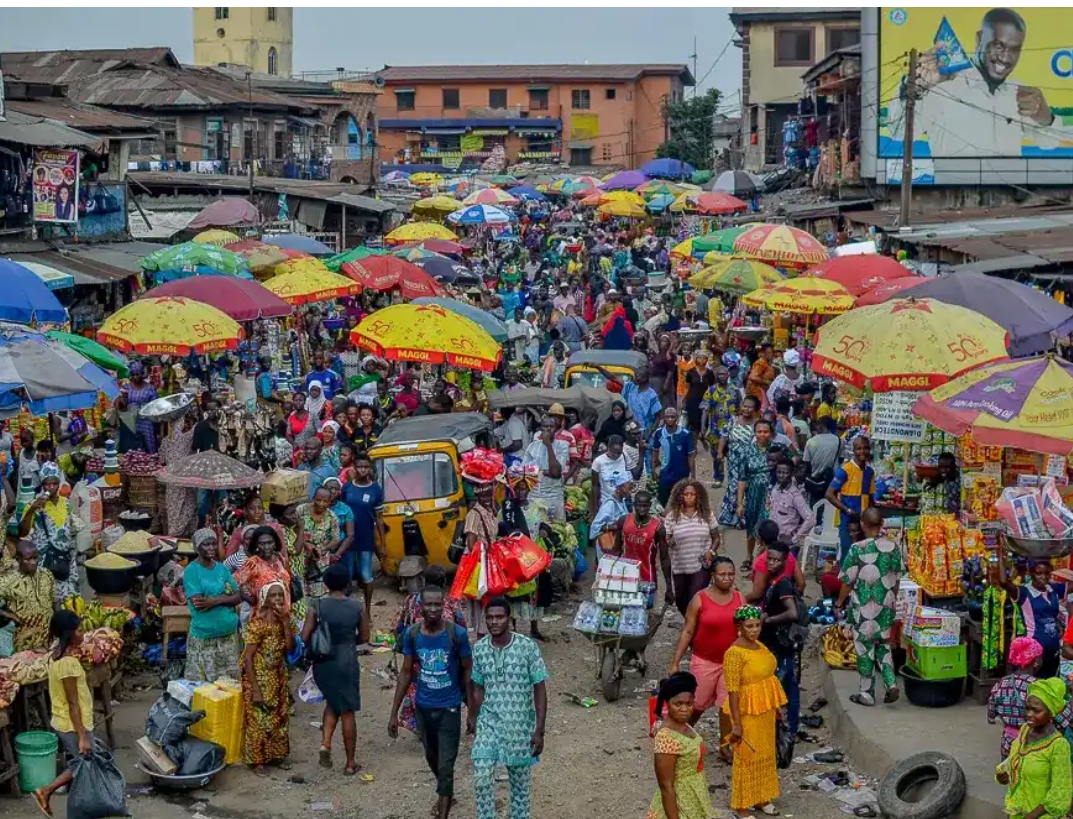
Similarly, Bashir Madara, the Public Relations Officer of the famous Singer Market in Kano—one of northern Nigeria’s largest food hubs—warned that traders holding old stock would be the hardest hit.
According to him, while the President’s order may appear as a lifeline for ordinary Nigerians, many traders risk financial ruin if immediate safeguards are not put in place.
> “Every good Nigerian with a heart that wants to see the poor enjoy some peace will welcome the President’s order. But the reality is that whenever there’s a price slash, it is very likely that some marketers still have goods bought at higher prices in stock. Those traders will definitely face losses,” Madara said.
He, however, noted that many traders have already adjusted their business practices in anticipation of price fluctuations. Unlike in the past when bulk purchases were the norm, traders now buy smaller quantities to sell quickly before returning to the market, hoping prices may drop further.
Madara advised traders to swiftly offload old stock to minimize potential losses and urged the government to consider the plight of market players who serve as the link between farmers and consumers.
Despite the concerns, he conceded that the directive could bring much-needed relief to millions of poor Nigerians struggling under harsh economic conditions.
> “There will still be some losses, but it may not be too severe. The policy, in the end, is good for the common Nigerian,” he said.
As the policy begins to take effect, the battle line is clearly drawn between economic survival for farmers and traders, and food security relief for ordinary citizens. The coming weeks will determine whether Tinubu’s price slash will be remembered as a bold people-centred intervention—or as a move that left producers and traders in the cold.
Farmers, Traders Cry Out as Tinubu’s Price Cut Order Sparks Fear of Losses
 PIONEER NEWS