By Our Correspondent
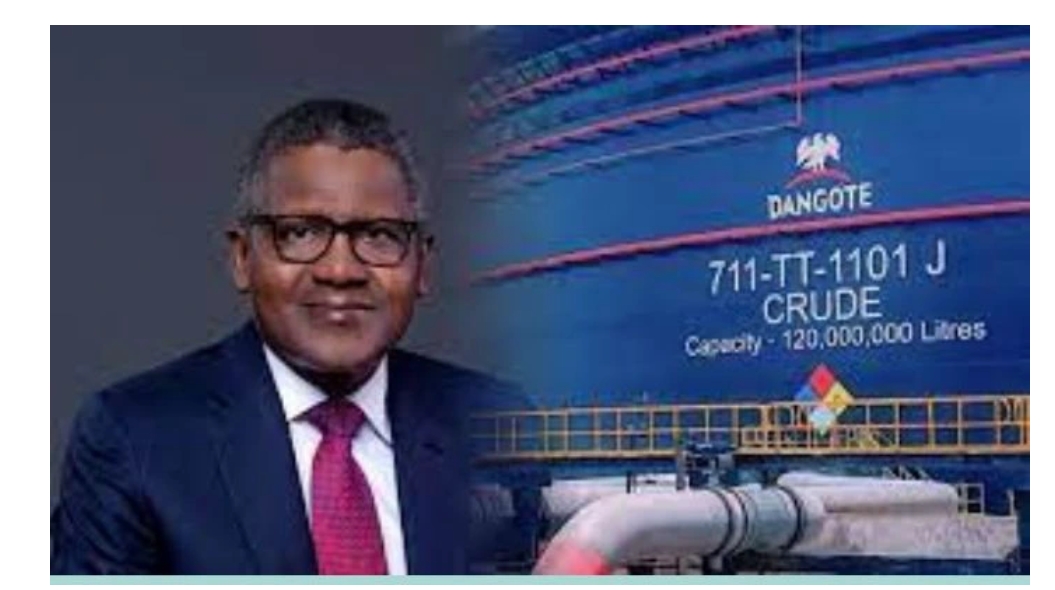
The Nigerian oil market was thrown into turmoil on Monday, September 15, 2025, as the Dangote Petroleum Refinery officially rolled out its direct fuel distribution scheme—slashing petrol gantry prices to ₦820 per litre.
Under the new system, petrol will retail at ₦841 in Lagos and ₦851 in Abuja, with state-by-state variations. Backed by a fleet of over 1,000 Compressed Natural Gas (CNG) trucks, the scheme is expected to save the Nigerian economy more than ₦1.8 trillion annually, ease distribution bottlenecks, and reduce inflationary pressure.
The rollout, initially delayed by logistics over a 4,000-truck order from China, marks one of the refinery’s boldest moves since commencing operations. Dangote Industries said the plan would directly benefit over 42 million micro, small, and medium enterprises (MSMEs) while creating tens of thousands of jobs. The group has already sunk ₦720 billion into the initiative and intends to expand its truck fleet to 10,000 before year-end.
Jubilation and Resistance
The Independent Petroleum Marketers Association of Nigeria (IPMAN) quickly hailed the move, with its President, Abubakar Shettima, confirming that many of its members have applied for direct allocation of trucks.
> “This is a welcome relief for Nigerians, especially the common man. It will crash prices and increase access,” Shettima declared.
But jubilation was not universal. The Depot and Petroleum Product Marketers Association of Nigeria (DAPPMAN) condemned the initiative as a “Greek gift”, alleging that Dangote sells petrol to international traders at lower prices than to domestic players—an act it described as anti-competitive.
Accusations and Counter-Accusations
In a fiery rebuttal, Dangote’s spokesperson dismissed DAPPMAN’s claims as “deliberate falsehoods”, accusing the group of fueling recent agitation by the Nigerian Union of Petroleum and Natural Gas Workers (NUPENG).
The refinery also pointed fingers at NIPCO, a major CNG supplier, accusing it of deliberately hiking prices to frustrate the scheme. NIPCO has so far declined to comment.
The Bigger Battle
Analysts warn that Dangote’s aggressive entry into direct distribution could reshape Nigeria’s oil supply chain, marginalizing long-established middlemen while slashing profit margins. Some industry insiders believe the faceoff between Dangote and powerful marketers’ blocs could ignite a price war, ultimately determining whether Nigerians will enjoy sustained relief at the pumps—or be caught in the crossfire of corporate rivalry.
With fuel at ₦820 per litre, Dangote may have won the hearts of struggling Nigerians. But in an industry where cartels, unions, and vested interests hold sway, the battle has only just begun.
 PIONEER NEWS