In a dramatic turn in Nigeria’s fight against terrorism, the Federal High Court in Abuja has granted the Department of State Services (DSS) approval for an accelerated hearing in the long-delayed trial of Khalid Al-Barnawi and four others accused of orchestrating the August 26, 2011 bombing of the United Nations headquarters in Abuja.
Justice Emeka Nwite, delivering the ruling on Friday, upheld the DSS’ application filed through its lead counsel, Alex Izinyon (SAN), paving the way for a fast-tracked judicial process in one of the nation’s most devastating terror cases.
Al-Barnawi, arrested by the DSS in April 2016 in Lokoja, Kogi State—five years after the UN bombing—faces allegations of masterminding the first attack on an international agency’s property in Nigeria. The bombing, which shook the world, claimed the lives of over 20 people and left more than 70 others injured.
Moving the application, Izinyon argued that the prosecution was fully prepared to proceed without delay, stressing the urgency of securing justice for the victims. In a rare moment of unity, defence lawyers did not oppose the DSS’ request.
As part of the trial-within-trial currently underway, the court has ordered the playing of video recordings presented by the DSS to prove that the defendants’ confessional statements were made voluntarily. The defendants had earlier alleged coercion, prompting the court to subject the statements to judicial scrutiny. The video evidence will be reviewed in the presence of the court registrar, with parties scheduled to reconvene on October 23 and 24 for continuation.
The main trial, which commenced after Al-Barnawi’s capture in 2016, has faced multiple setbacks due to legal and administrative bottlenecks. However, with the court’s ruling, momentum appears to have shifted towards a swifter resolution.
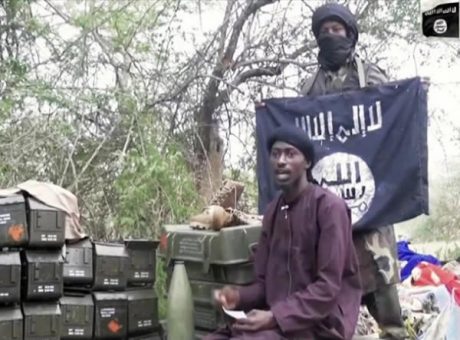
Al-Barnawi, also known by multiple aliases including Kafuri, Naziru, Alhaji Yahaya, Mallam Dauda, and Alhaji Tanimu, is alleged to be one of the founding members of Boko Haram. He later emerged as the leader (Amir) of the splinter faction, Jama’at Ansarul Muslimim Fi Biladi Sudan (JAMBS), which pledged allegiance to Al-Qaeda.
The trial marks a crucial test of Nigeria’s resolve to deliver justice in high-profile terrorism cases and reaffirms the judiciary’s role in balancing national security with the rule of law.
UN Building Bombing: Court Grants DSS Accelerated Trial of Al-Barnawi, Four Others
 PIONEER NEWS