
By Reuben Nathan Ibrahim
The Federal Government’s decision to remove Agricultural Science from the national curriculum has sparked outrage and drawn urgent calls for intervention from Northern leaders. Critics warn that this move could cripple Nigeria’s agricultural backbone and imperil the very foundation of food security.
For the North, where vast livestock populations and staple crops are cultivated, the implications are dire. With Nigeria’s population surging past 200 million, stakeholders ask: Will the nation now depend on food imports to survive? What becomes of universities, research institutes, and colleges of agriculture when young people are denied early exposure to the discipline?
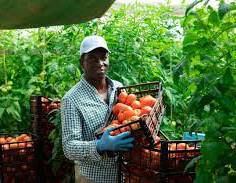
Agricultural Science is more than a school subject—it is the pipeline that produces the farmers, innovators, and policy leaders of tomorrow. Its removal, observers say, threatens to create a knowledge vacuum that could weaken food production, disrupt rural economies, and endanger national self-sufficiency.
“This is not just an educational setback,” warns Ibrahim. “It is an assault on our livelihoods, our heritage, and the economic stability of millions of farmers across the North.”
Analysts argue that without a solid foundation in agricultural education, future generations may lack the skills to adopt modern farming techniques, mitigate climate challenges, and drive innovation in the sector. The result could be food scarcity, rising costs, and overdependence on foreign imports—outcomes disastrous for a nation already grappling with economic strain.

Ibrahim is therefore making a passionate appeal to Northern Senators: act swiftly, push for the reinstatement of Agricultural Science, and safeguard the legacy of a region that feeds the nation.
“The time to act is now,” he insists. “Protect our agricultural heritage, invest in our youth, and defend the North’s role in securing Nigeria’s food sovereignty.”
Written by
Reuben Nathan Ibrahim
Adamawa State, Nigeria
 PIONEER NEWS