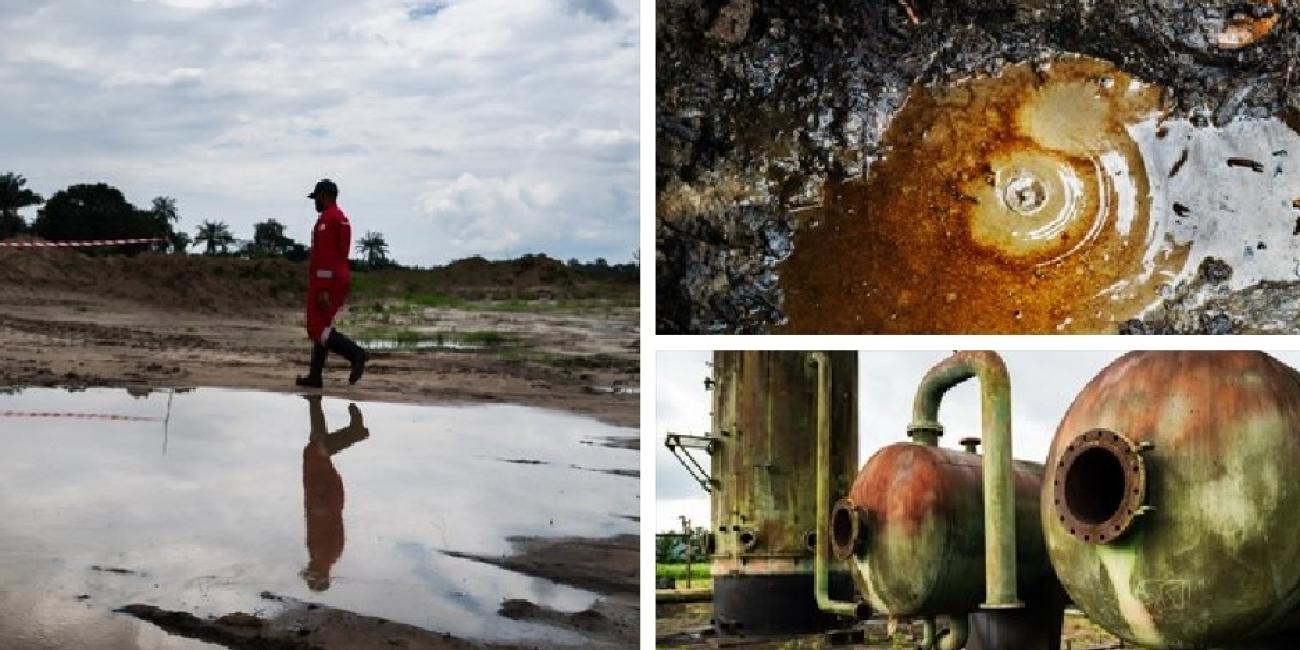
Amnesty International has declared that global oil giant Shell cannot wash its hands of decades of environmental devastation in the Niger Delta, despite its recent divestment from Nigeria.
In a hard-hitting statement on Friday, the human rights watchdog insisted that Shell’s exit from onshore oil production does not absolve it of the responsibility to clean up the environmental and social damage caused by decades of oil spills in the region.
> “Shell cannot simply walk away. Its sale of assets does not erase the environmental and human rights violations committed against the Niger Delta people,” Amnesty stated.
For decades, Shell has been at the center of allegations of widespread oil pollution in the Niger Delta, leaving behind poisoned farmlands, dead rivers, and shattered livelihoods. Amnesty, which has campaigned on the crisis since the 1990s, noted that international human rights monitors, including UN Special Rapporteurs, have consistently agreed that repeated oil spills amount to human rights violations.
“Where there is a violation, there must be a remedy,” Amnesty stressed, calling for immediate cleanup and fair compensation for communities that have endured untold suffering.
The Niger Delta, home to more than 30 million people—70 percent of whom live below the poverty line—has borne the brunt of Shell’s operations. Local communities have for years reported rising cases of cancer, respiratory illnesses, and the destruction of livelihoods due to contaminated farmlands and waterways.
A recent publication by Fairplanet highlighted that oil pollution has fueled poverty, conflict, and death across the region, with residents forced to live amidst toxic fumes and poisoned water.
Despite promises, Shell’s record on remediation remains under intense scrutiny. A BBC investigation earlier this year uncovered allegations that the company ignored repeated warnings of corruption and mismanagement plaguing the $1 billion clean-up of Ogoniland—a flagship environmental project launched eight years ago.
Although Shell and the Nigerian government have touted “progress,” whistleblowers and experts insist that the clean-up has been riddled with inefficiencies, leaving many polluted sites untouched.
In March, Shell announced the sale of its Nigerian subsidiary, the Shell Petroleum Development Company of Nigeria Limited (SPDC), to Renaissance. The divestment transfers Shell’s 30% stake in the SPDC Joint Venture—alongside the Nigerian National Petroleum Corporation (55%), TotalEnergies (10%), and Agip (5%)—to Renaissance.
Shell argued that the divestment was part of its strategy to simplify operations and focus on deepwater and integrated gas projects. But Amnesty warns that such exits must not be used as a back door to escape accountability.
> “Shell and other oil companies must divest responsibly, in ways that respect human rights and the environment,” Amnesty cautioned.
The Road Ahead
Amnesty and other rights groups are demanding that Shell and its partners not only fund genuine environmental remediation but also pay full compensation to affected Niger Delta communities.
With decades of oil spills still haunting the region, the battle for justice and restoration continues. For the Niger Delta’s millions of residents, Shell’s exit does not mean closure—only the beginning of a renewed fight to hold one of the world’s biggest energy giants accountable.
 PIONEER NEWS