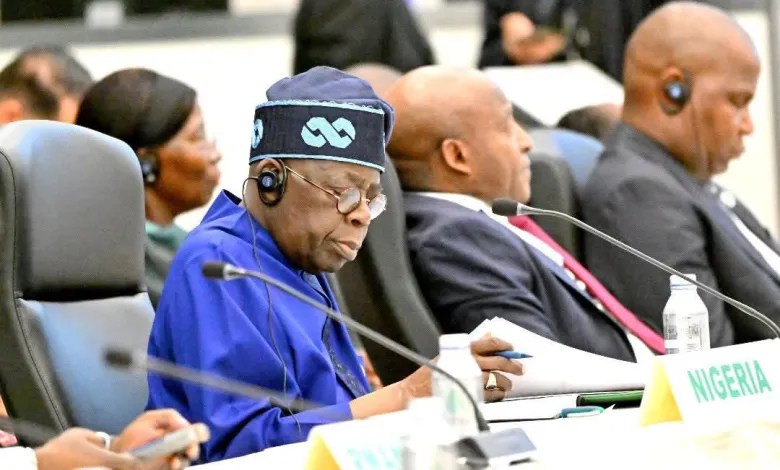
In a dramatic turn of events at the 9th Tokyo International Conference on African Development (TICAD9) in Yokohama, Japan, President Bola Ahmed Tinubu reignited the call for sweeping reforms at the United Nations Security Council (UNSC), demanding permanent representation and veto power for Africa — particularly Nigeria and one other African nation.
This bold appeal came only hours after Nigeria’s global image suffered a dent at the same conference when its national booth was discovered unmanned on the opening day, sparking outrage, ridicule, and heated criticism of the government’s inefficiency on the world stage.
While other African nations seized the spotlight by actively engaging international delegates and investors, Nigeria’s booth stood conspicuously abandoned. It took the swift intervention of some private sector stakeholders from Nigeria to salvage the situation, preventing further embarrassment.
Speaking at the high-level plenary session on peace and stability, President Tinubu declared that Africa’s exclusion from the permanent membership of the UNSC was both unjust and outdated.
“It is the view of Nigeria that Africa’s quest for fair and equitable representation in the UN Security Council is a just and fair demand,” Tinubu asserted.
He emphasized that Africa deserved two permanent seats with full privileges, including the right of veto, as well as expanded non-permanent seats, in line with the Ezulwini Consensus and the Sirte Declaration — Africa’s long-standing position on UNSC reform.
“Indeed, Africa deserves two seats in the permanent category, with all its prerogatives and privileges, including the right of veto. Africa also deserves additional seats in the non-permanent seat category of the Security Council,” Tinubu stressed.
Tinubu further urged world leaders to embrace inclusivity, diversity, and the rule of law, describing them as Africa’s greatest strengths in the global quest for peace, stability, and justice.
His demand for reforms comes at a time when geopolitical shifts are reshaping international diplomacy, with growing calls from developing nations for a more balanced and representative global governance structure.
The timing of Tinubu’s demand, however, was overshadowed by the embarrassing incident at TICAD9, where Nigeria’s absence at its own booth fueled questions about coordination, national pride, and the seriousness of government representatives in international engagement.
Observers noted the irony: while Tinubu was on the global stage demanding recognition for Africa and Nigeria in one of the world’s most powerful decision-making bodies, the country’s image was simultaneously taking a beating at an international development forum.
Despite this setback, Tinubu’s forceful push has once again placed Nigeria at the heart of Africa’s demand for fairness in global governance — a demand that may shape the future of international diplomacy if the world listens.
 PIONEER NEWS