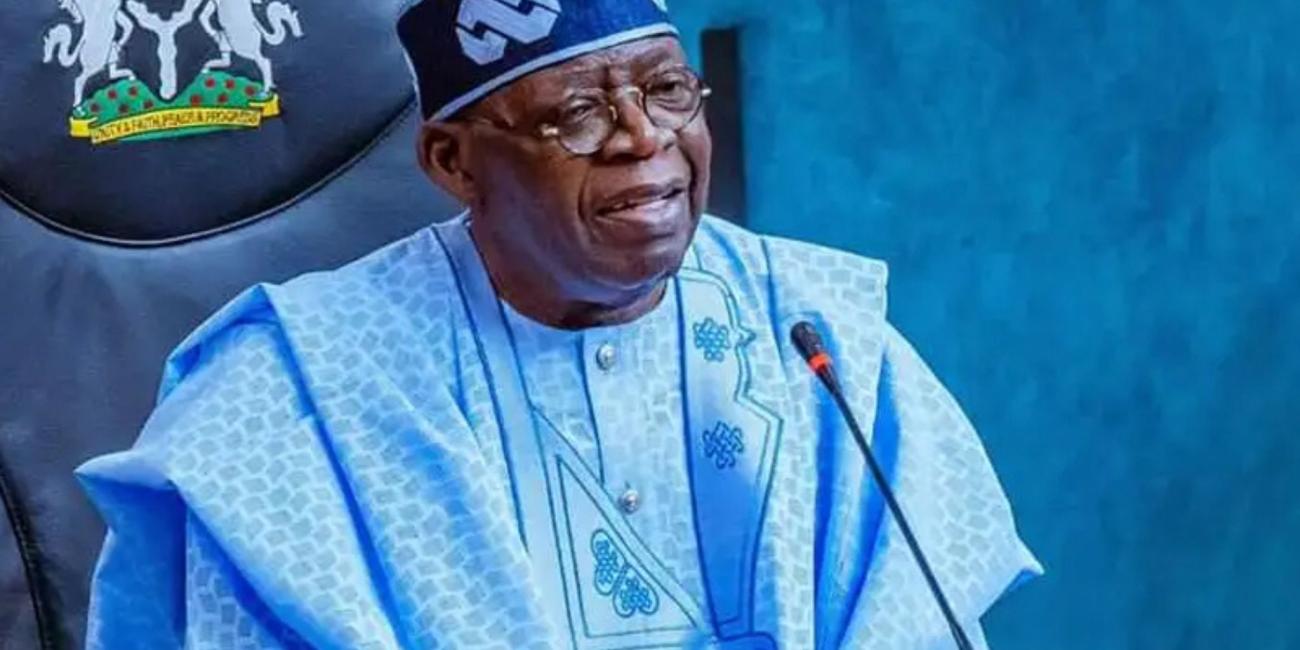
In a bold diplomatic move, the administration of President Bola Ahmed Tinubu has announced plans to impose reciprocal visa requirements on American citizens seeking entry into Nigeria, following the United States’ directive mandating Nigerian applicants to disclose their social media handles.
On Monday, August 18, 2025, the U.S. Mission in Nigeria, in a statement posted on its official X (formerly Twitter) account, confirmed that all visa applicants must now provide usernames of every social media platform they have used in the past five years as part of the DS-160 visa application process. Failure to comply, the statement warned, would result in automatic visa denial.
The stringent measure, originally introduced under the Donald Trump administration, applies to both immigrant and non-immigrant visa applicants from Nigeria and other countries. The U.S. Department of State said the policy is designed to bolster national security by giving consular officers broader access to applicants’ online activities during background checks.
Applicants are required to provide handles from platforms such as Facebook, X (Twitter), Instagram, YouTube, LinkedIn, TikTok, and others, but are not required to submit passwords. Additionally, applicants must certify that all the information provided is “true and correct,” with any falsification or omission potentially resulting in visa denial, lengthy processing delays, or ineligibility for future visas.
Reacting swiftly to the development, Nigeria’s Ministry of Foreign Affairs signaled that the Tinubu-led government will not take the policy lightly. Ministry spokesman Kimiebi Ebienfa confirmed that Nigeria would introduce identical requirements for U.S. citizens seeking Nigerian visas.
“We are aware of the development, and we consider it a matter of reciprocity. Visa matters are always mutual. If you mandate our nationals to disclose their social media handles, we will require the same from your citizens applying for our visas,” Ebienfa declared.
He further disclosed that an inter-agency stakeholders’ meeting would soon be convened to finalize Nigeria’s official response and implementation strategy.
“This is not a unilateral decision. Relevant agencies will meet to agree on the best approach, but rest assured, the principle of reciprocity will guide Nigeria’s position,” Ebienfa emphasized.
The tit-for-tat move underscores a growing tension in diplomatic exchanges between Abuja and Washington, with analysts warning that the latest policy shift could complicate travel and bilateral relations if not carefully managed.
For now, both Nigerian and American travelers may have to get used to a new era of “digital transparency” in visa applications—where one’s online presence could determine entry or denial at international borders.
 PIONEER NEWS