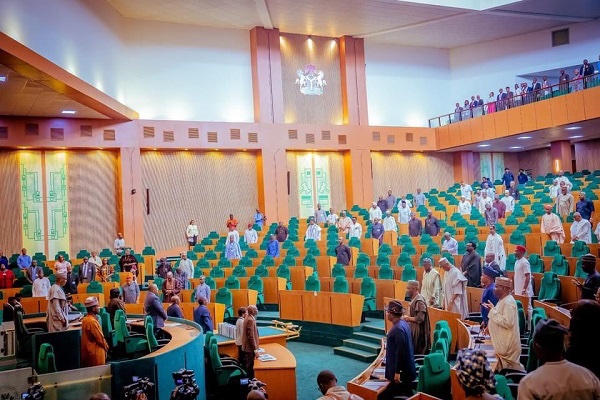
In a bold move set to reshape Nigeria’s democratic landscape, the House of Representatives has proposed that all five major elections in 2027—presidential, governorship, senatorial, House of Representatives, and state assembly—be conducted simultaneously on a single day.
The announcement, which sent ripples across the political spectrum, was shared by Nigerian Stories via its official X (formerly Twitter) handle, tagging it as “BREAKING NEWS.”
This sweeping reform is part of the yet-to-be-passed Electoral Act 2025, a proposed legislative overhaul aimed at streamlining Nigeria’s complex and staggered electoral calendar. If passed, the new law would mandate the Independent National Electoral Commission (INEC) to organize and execute all major national elections in one day—a feat never before attempted in the nation’s history.
Supporters of the proposal argue that a unified election day would reduce electoral costs, minimize political violence, and enhance voter turnout, while critics warn it could strain INEC’s logistics and overwhelm security agencies.
The proposed reform has sparked intense debates among politicians, civil society groups, and electoral experts, many of whom are now closely watching to see whether the bill will scale through legislative scrutiny and become law ahead of the 2027 general elections.
As anticipation builds, one thing is clear: Nigeria’s political landscape may be on the verge of a historic transformation.
 PIONEER NEWS