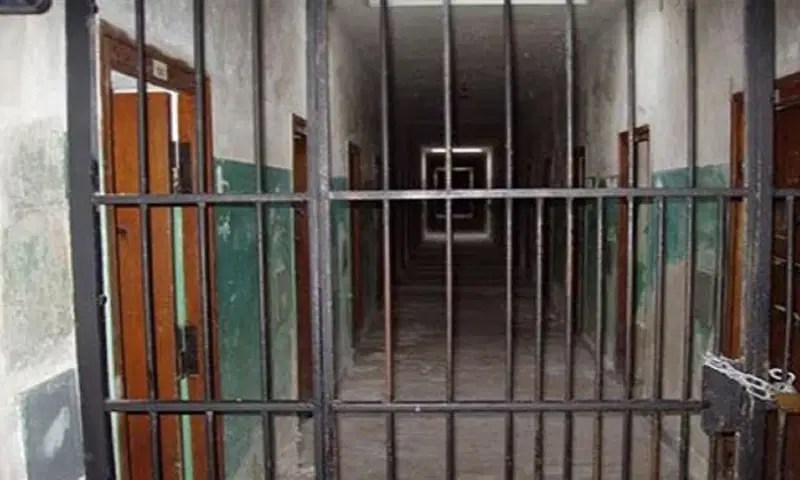
A 29-year-old TikTok influencer, Ghali Isma’il, has been remanded at the Keffi Correctional Centre by an Abuja Chief Magistrate Court after he published videos falsely claiming that President Bola Ahmed Tinubu had died following a suspected poisoning.
Isma’il, who hails from Jogana village in Gezawa Local Government Area of Kano State, was arrested by operatives of the Department of State Services (DSS) shortly after posting the controversial content on his verified TikTok account, @bola_asiwaju.
In a dramatic courtroom appearance on Friday, the social media personality was arraigned on a two-count charge: “Publication of False News with Intent to Offend Public Peace” and “Inciting Disaffection to the Government.”
Count One: Spreading Panic and Alarm
The charge read in part:
“That you, Ghali Ismail, male, 29, of Jogana village, Gezawa LGA, Kano State, on or about July 20, 2025, within the jurisdiction of this Honourable Court, did publish false information on your TikTok handle (‘bola_asiwaju’), claiming you confirmed from official sources that President Bola Ahmed Tinubu was critically ill due to poisoning—an act intended to cause public alarm and disturb the peace. You thereby committed an offence punishable under Section 418 of the Penal Code Act.”
Count Two: Inciting Hatred Against the Presidency
In the second count, the prosecution accused Isma’il of attempting to stir public contempt against the president:
“…with intent to bring contempt or incite feelings of disaffection against the person of the President, you thereby committed an offence punishable under Section 416 of the Penal Code Act.”
Following a tense session where the DSS opposed a bail application by Isma’il’s lawyer, the presiding judge, Hon. Ekpeyong Iyang, ordered his immediate remand at the Keffi Correctional Centre. The case was adjourned until August 19, 2025, for further hearing.
Isma’il’s arraignment adds to the growing list of digital misinformation controversies involving high-profile individuals. Only recently, Professor Farooq Kperogi of Kennesaw State University, U.S., issued a public apology after falsely claiming that former President Muhammadu Buhari and his wife, Aisha, were divorced at the time of his death.
Similarly, Finnish-Nigerian agitator and self-acclaimed Biafran spokesman, Simon Ekpa, is currently facing terrorism charges in Finland over incendiary online content alleged to have fueled separatist violence in Nigeria. Prosecutors in Helsinki are pushing for a six-year jail term, arguing that his online activism constitutes terrorism under Finnish law.
Meanwhile, Nnamdi Kanu, detained leader of the Indigenous People of Biafra (IPOB), recently stunned the court in Abuja by claiming that his online broadcasts—linked by prosecutors to deadly unrest—were merely satirical content and should not be taken seriously.
Government Wages War on Fake News
The Federal Government’s crackdown on misinformation appears to be gaining momentum amid growing concerns over the role of social media in spreading false narratives that threaten national security and public order.
Legal experts say the outcome of these high-profile cases may set a precedent for how Nigeria handles the misuse of digital platforms going forward, especially as the country prepares for future elections and sensitive national developments.
For now, Ghali Isma’il remains in custody, a cautionary tale for online influencers pushing the boundaries between free speech and criminal disinformation.
 PIONEER NEWS