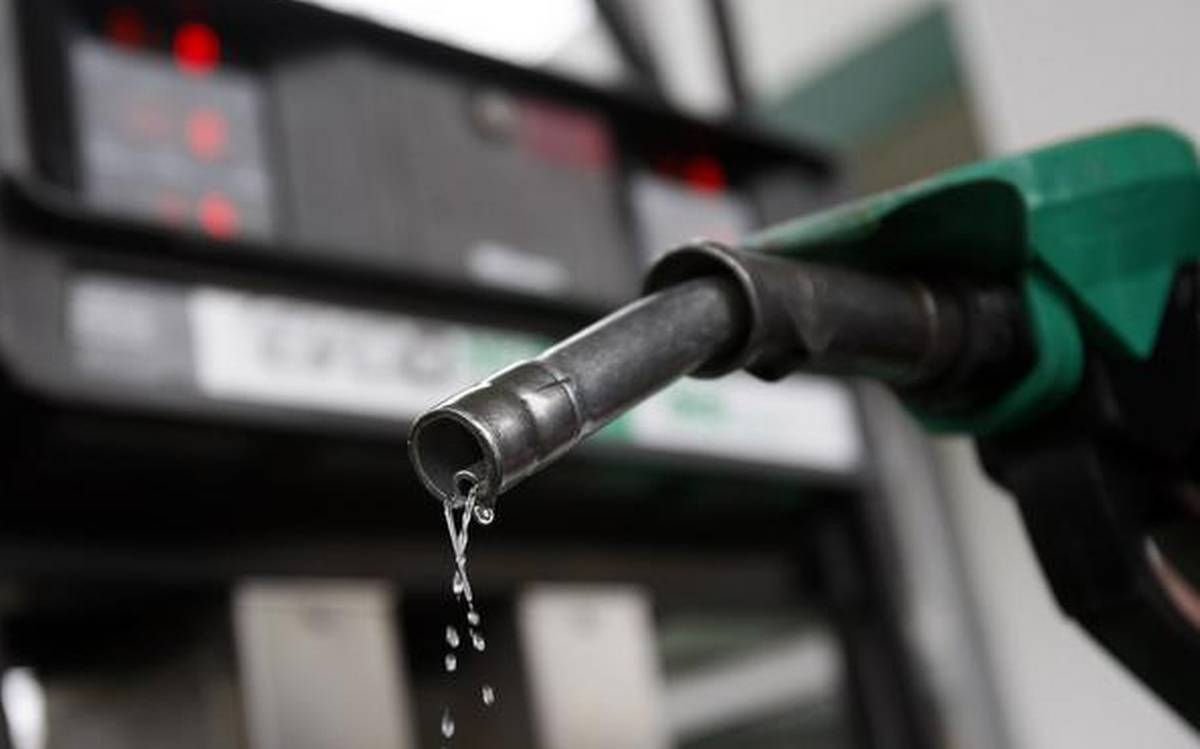
In a move that offers slight relief to Nigerians groaning under economic pressure, the Nigerian National Petroleum Company Limited (NNPCL) has once again slashed the pump price of Premium Motor Spirit (PMS), commonly known as petrol. This marks the second reduction within a week, as the state-owned oil giant adjusts its pricing strategy amid growing competition and regional policy shifts.
The NNPCL reduced the pump price of petrol from N895 to N890 per litre, trimming N5 off the cost. The adjustment has already taken effect across major NNPCL retail outlets, including stations along Kubwa Expressway, Gwarimpa, and Wuse Zone 4 in Abuja, where pumps have been recalibrated to reflect the new pricing.
This downward revision is seen as part of a broader strategy to remain competitive, especially as Dangote Refinery’s retail partners — including AP Ardova, Optima, MRS, and Bovas — continue to sell petrol at N885 per litre, marginally undercutting NNPCL’s new price.
The move also coincides with a major regional policy drive. At the West African Refined Fuel Conference held in Abuja, the Nigerian Midstream and Downstream Petroleum Regulatory Authority (NMDPRA) made a strong case for a harmonized refined fuel pricing system across West Africa. The aim: to eliminate the importation of substandard or adulterated fuels and foster investment in local refining capacity.
According to NMDPRA Chief Executive Farouk Ahmed, “Establishing a uniform refined oil price across West Africa will not only enhance fuel quality but will also stimulate refining capacity, unlock economic empowerment, expand shipping activities, and move the region closer to energy independence.”
Also speaking at the event, the Minister of Budget and National Planning, Senator Abubakar Atiku Bagudu, emphasized that boosting Nigeria’s refining capacity is crucial to achieving the federal government’s ambitious double-digit GDP growth target.
“This target is not achievable unless we create a stable and profitable environment for both local and foreign investors in Nigeria’s oil and gas sector,” he stressed.
The twin forces of competitive pricing and regional policy integration signal a dynamic shift in Nigeria’s downstream petroleum sector. While the N5 reduction may seem marginal to consumers battling high costs of living, experts suggest it reflects a broader economic recalibration that could yield long-term benefits — if backed by sustainable infrastructure and regulatory support.
Bottom Line: As Nigeria battles inflation and seeks economic resurgence, price cuts, refinery investments, and regional fuel policy reforms may collectively chart the path to energy stability and growth.
 PIONEER NEWS