Despite President Bola Tinubu’s ambitious drive to revolutionize local fertilizer production and reduce prices, Nigerian farmers say the reality on the ground tells a different story — and it’s not pretty.
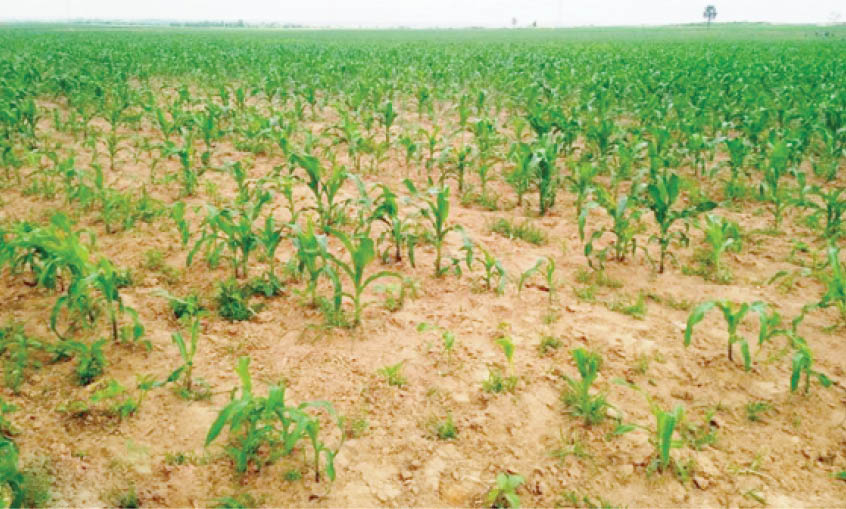
Across the country, a growing number of smallholder farmers are being forced to abandon staple crops like rice and maize as skyrocketing fertilizer prices render cultivation increasingly unaffordable. What was once a source of livelihood and national pride is fast becoming a burden too heavy to bear.
“I used to plant four hectares of maize,” lamented Ibrahim Musa, a farmer in Niger State. “But now, I can’t even afford to fertilize one hectare. The prices have more than doubled, and we’re not getting any support.”
The result? A drastic shift away from rice and maize, Nigeria’s dietary mainstays, and a looming threat to food supply across the nation. With farmers pulling back, the question becomes urgent: Will Nigeria soon face a food price explosion that could send millions further into hardship?
This growing agricultural crisis casts a shadow over the President’s fertilizer initiative, which was touted as a game-changer for food security. Although local production has ramped up through partnerships with plants like the Dangote Fertilizer Plant in Lagos, distribution inefficiencies, middlemen exploitation, and lack of subsidies have kept prices out of reach for the average farmer.
Worse still, experts warn that unless drastic measures are taken, Nigeria may soon witness a ripple effect — spiraling inflation, increased import dependency, and a collapse in the nation’s already fragile food system.
In this gripping episode of Nigeria Daily, we dig deep into the root causes of the fertilizer crisis, its devastating impact on rural farming communities, and the policy disconnect that could plunge Nigeria into a full-blown food emergency.
Can Nigeria’s agricultural sector survive this storm — or are we witnessing the slow erosion of food sovereignty in real time?
Stay with us.
 PIONEER NEWS