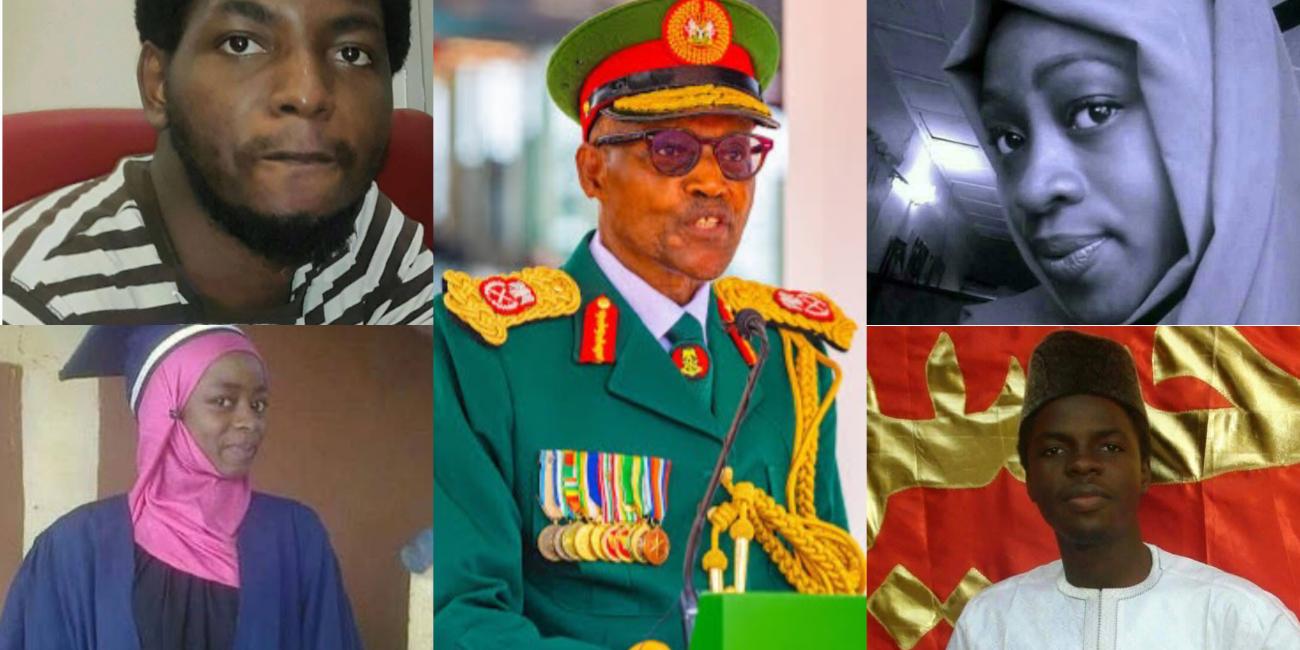
As Nigerians reflect on the passing of former President Muhammadu Buhari, haunting memories of one of the darkest chapters of his administration—the 2015 Zaria Massacre—have resurfaced with emotional fury and renewed calls for justice.
Prominent Nigerian journalist, Saifullahi M. Kabir, took to Facebook in a series of searing, heart-wrenching tributes to victims of the military’s deadly assault on members of the Islamic Movement in Nigeria (IMN), also known as Shiites. The military operation, carried out in December 2015 in Zaria, Kaduna State, left over 300 IMN members dead and hundreds more disappeared or imprisoned.
Kabir’s emotional posts did not just mourn the dead—they issued a passionate indictment of Buhari’s legacy, accusing the former president of overseeing and enabling what he calls “a calculated massacre of innocent Muslim citizens.”
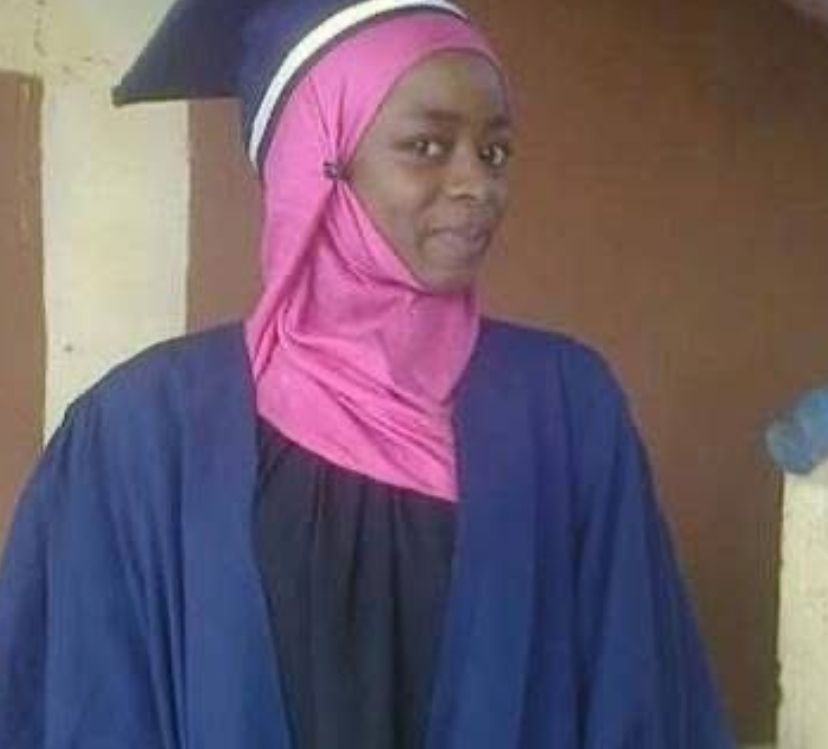
In one post, Kabir listed the names of five victims—Fatima Ali Munjibir, Nusaiba Yakubu Zurmi, Nusaiba Shafiu Kazaure, Fatima Isa Waziri, and Khadija Ibrahim Dasuqi—describing them as brilliant university students and young religious leaders “murdered in cold blood by General Buhari’s soldiers.”
> “None of their bodies were found,” he wrote, “let alone buried with the dignity Islam demands. Some were burned alive, others cremated. Many were dumped in mass graves at Mando Cemetery in Kaduna.”
Photos, Names, and Stories: Human Faces of a Forgotten Tragedy
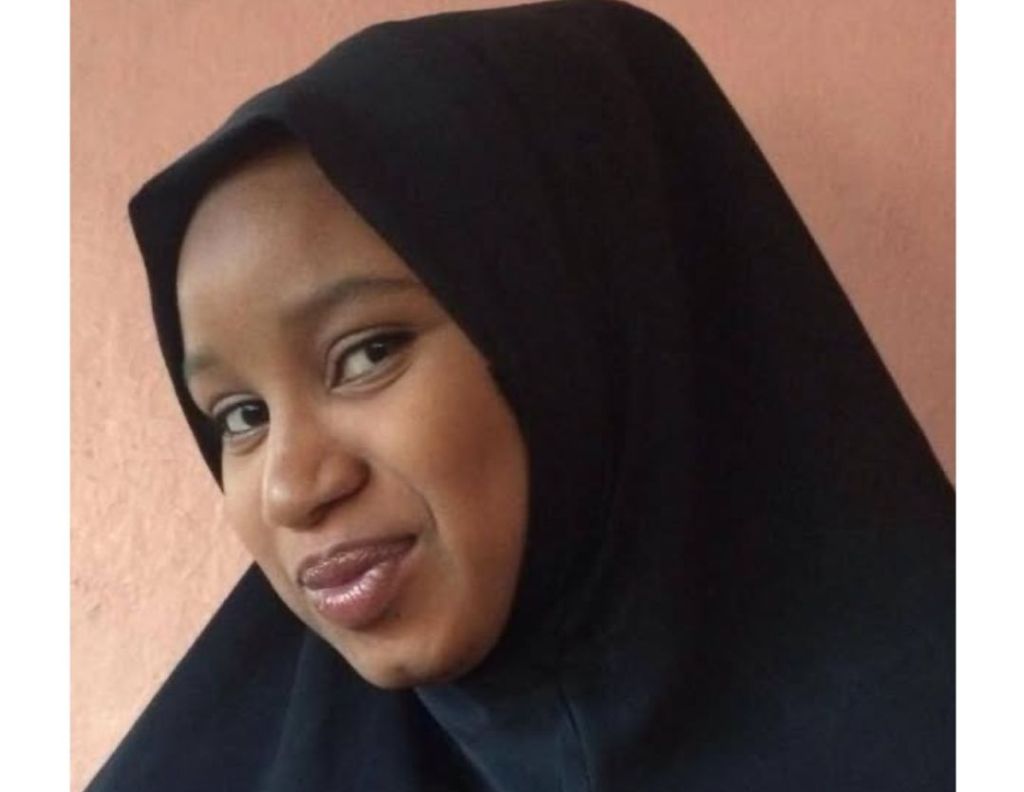
Kabir did not just share names; he shared faces. He posted photos of Sister Khadija and Sister Fatima, daughters of Malam Yakubu Okene, who were allegedly slaughtered along with their brother and father in the residence of Sheikh Ibrahim Zakzaky. According to Kabir, they were memorizing the Qur’an and were known for their piety and humility.
> “Their mother told me how devoted they were, how good they were to her. Buhari’s bullets tore that bond apart.”
He also spotlighted the devastating experience of Hajiya Jummai Ahmad Karofi, a survivor who still carries bullets in her body. Her husband, Engr. Yahaya Gilima, was killed, along with five of their children.
> “How can this family forgive Buhari for such horror?” Kabir asked.
“Her eldest son, Engr. Ahmad AY, is still living with bullets lodged in his flesh—scars that speak louder than any apology never given.”
Kabir’s posts went further, naming others whom he alleges were complicit or benefited from the atrocity, including aides, military planners, and family members of the former president.
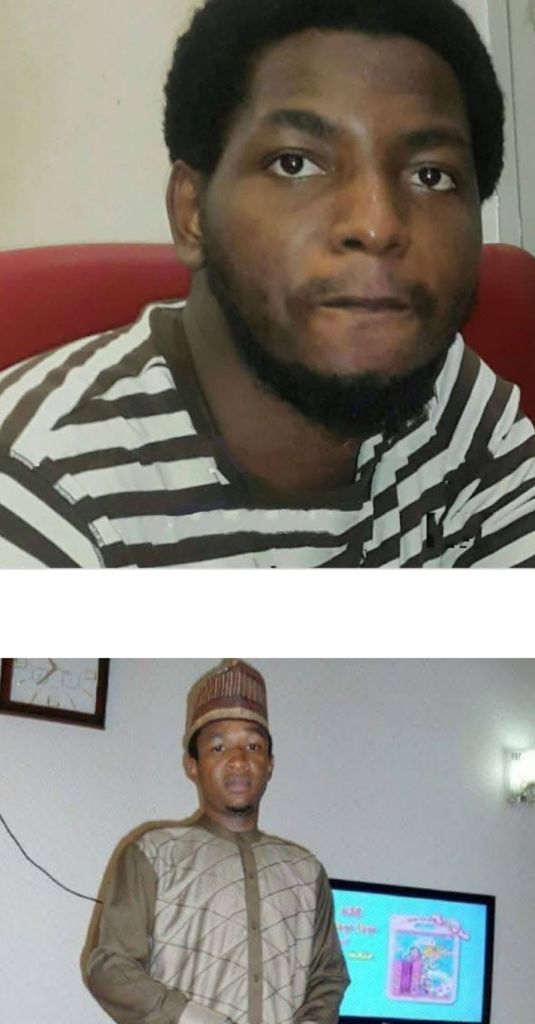
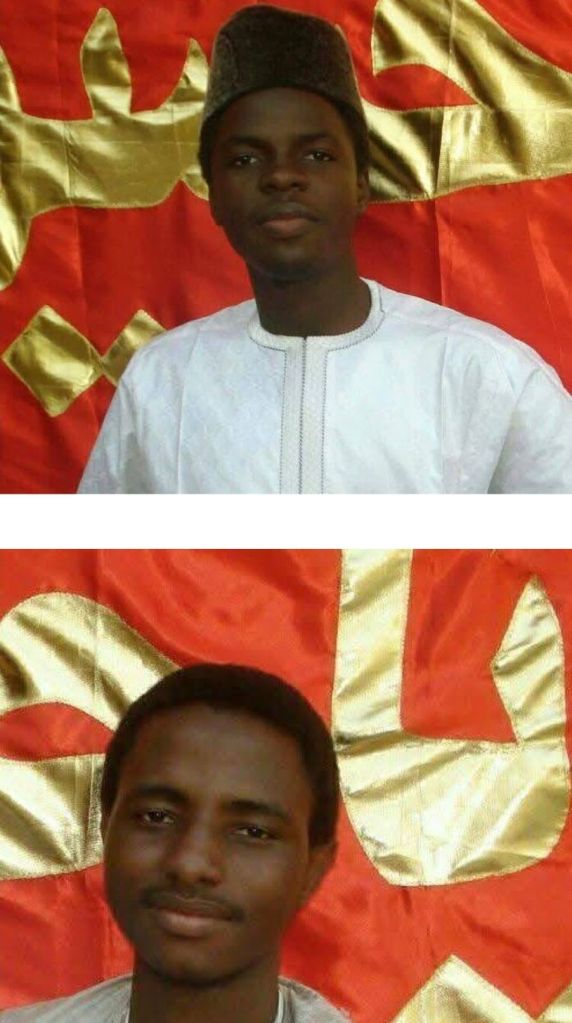
He shared the image of Alhaji Ibrahim Dutsinma, stating that he was among the over 1,000 men, women, and children “butchered on Buhari’s orders.” He also shared a group photo of seven young men, now dead, who he claimed were “executed without cause” by state forces.
In another deeply emotional tribute, he remembered Sumayyah Isa Hasan, daughter of Professor Isa Mshelgaru, a devout young woman described as diligent and religious.
> “I spoke to her shortly before her death,” Kabir recalled. “She told me, ‘The army has arrived. Buhari’s terrorism will stretch into the daylight.’ Hours later, she was gone—killed inside Sheikh Zakzaky’s residence.”
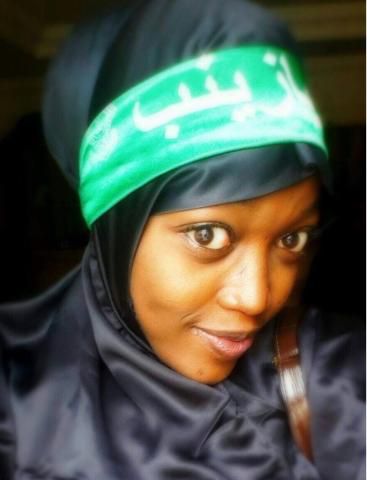
To Sumayyah’s grieving mother, Ummah Jummai Ibrahim Musa, he sent words of faith and solidarity:
> “May Allah reunite you in paradise. May He hold Buhari accountable for your daughter’s blood and the blood of all innocent martyrs.”
Background: What Happened in Zaria?
On a December day in 2015, the Nigerian military launched an assault on IMN members allegedly for “blocking the convoy” of the Chief of Army Staff. What followed, however, has been described by human rights groups—including Amnesty International—as a massacre.
Eyewitness accounts, video evidence, and satellite images confirmed that soldiers killed hundreds of unarmed men, women, and children. Most of the bodies were secretly dumped in mass graves, and no high-ranking official was held to account.
Despite national and international outcry, President Buhari never issued a formal apology, never visited survivors, and never initiated an independent probe into the killings. Instead, the government designated the IMN as a “terrorist group” and detained their leader, Sheikh Ibrahim Zakzaky, for years without proper trial.
While some remember Buhari as a no-nonsense anti-corruption crusader and security hawk, others—like Kabir and families of the Zaria massacre victims—remember him differently: as a man whose silence emboldened impunity and whose government spilled innocent blood in the name of law and order.
Kabir’s emotional posts, filled with names, faces, and prayers for divine justice, are a stark reminder that for many Nigerians, closure is still a distant dream.
> “We don’t need an apology from the dead,” Kabir said. “We need justice for the living. We need truth for the fallen.”
As the nation debates Buhari’s complex legacy, the victims of Zaria cry out from the pages of memory—and their stories refuse to be buried.
 PIONEER NEWS