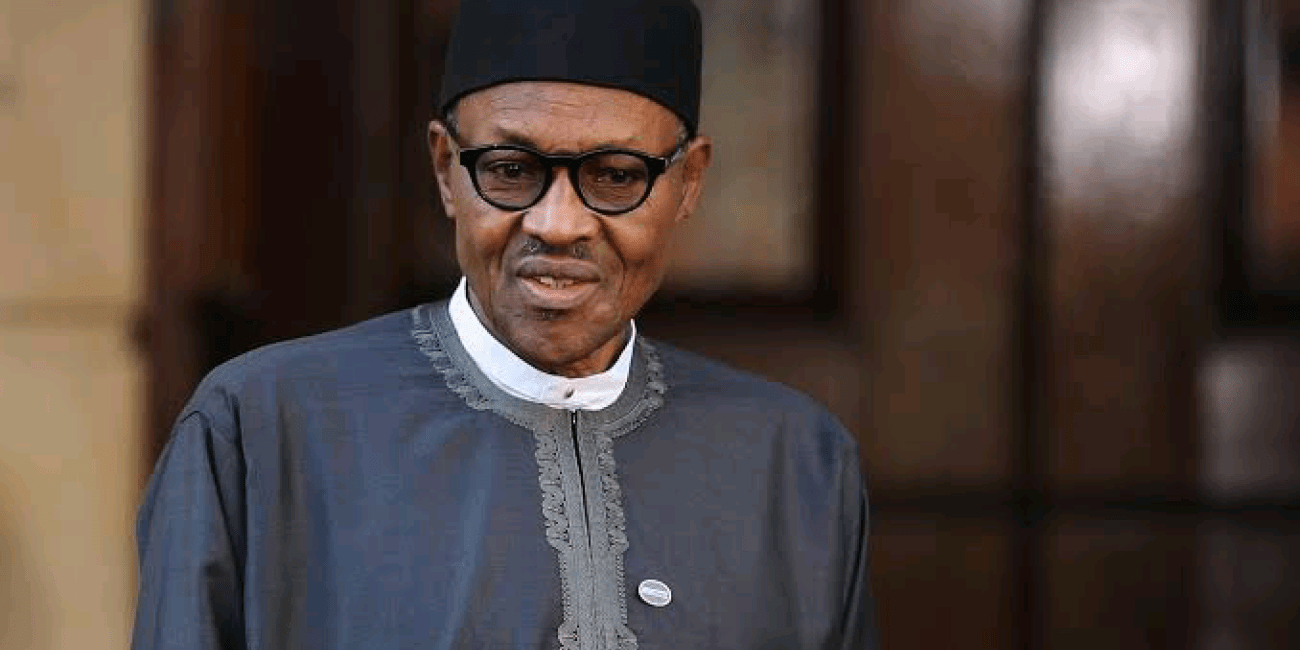
Nigeria has been plunged into mourning following the death of former President Muhammadu Buhari, who passed away in London at the age of 82 after a long battle with leukaemia, the Pioneer News has exclusively learnt.
President Bola Ahmed Tinubu officially announced Buhari’s demise on Sunday evening, disclosing that the former leader died around 4:30 p.m. in the United Kingdom. The announcement was made through the Special Adviser to the President on Information and Strategy, Bayo Onanuga, who added that Tinubu had personally spoken to the former First Lady, Aisha Buhari, to convey his condolences.
In swift response, Tinubu directed Vice President Kashim Shettima to fly immediately to London to coordinate the return of Buhari’s remains to Nigeria. National flags have also been ordered to fly at half-mast across the country in honor of the late statesman.
Multiple sources within the Presidency confirmed that Buhari died of leukaemia, a type of cancer that affects the blood and bone marrow. A source familiar with his medical condition said, “Buhari died of leukaemia. He had been in and out of intensive care units in London for weeks.”
Buhari had reportedly been under medical care in the UK for months and was notably absent from public events, including the 50th anniversary of the Economic Community of West African States (ECOWAS), citing “routine medical checkups” in a statement issued at the time.
Sources also revealed that former Head of State, General Abdulsalami Abubakar, is currently hospitalized in the UK, adding a layer of gravity to the state of Nigeria’s aging leadership.
Muhammadu Buhari first ruled Nigeria as a military Head of State from January 1984 to August 1985, following a coup d’état. Decades later, he returned to power through democratic elections in 2015 and was re-elected in 2019.
Buhari’s civilian presidency was marked by a tough stance on corruption, a contentious economic record, growing insecurity, and relentless criticism over human rights abuses and press clampdowns. However, perhaps the most polarizing aspect of his leadership was his persistent reliance on foreign healthcare.
During his two-term tenure, Buhari became the face of presidential medical tourism — often criticized for spending significant time abroad while the Nigerian healthcare system remained in dire straits.
His first documented medical trip occurred in February 2016, shortly after taking office, disguised as a short vacation. He later received treatment for an ear infection in London — a move that attracted backlash from the Nigerian Medical Association, which argued that local doctors were capable of handling such conditions.
In 2017, Buhari embarked on an extended medical vacation that lasted 104 days — one of the longest absences by a sitting Nigerian president. The exact nature of his illness was never disclosed, shrouding the presidency in secrecy and fueling speculation about his fitness to lead.
From 2016 to 2023, Buhari made no fewer than 10 medical trips to the UK, cumulatively spending over 230 days abroad. Reports estimate that the cost of these trips — particularly in terms of presidential jet maintenance and logistics — ranged between ₦1.1 billion and ₦5.4 billion. These figures excluded medical expenses and the cost of his accompanying entourage.
Buhari had campaigned on promises to end medical tourism and revamp Nigeria’s healthcare sector. Instead, critics say he became its most prominent symbol. Human rights activist and 2023 presidential candidate, Omoyele Sowore, frequently lambasted Buhari for failing to construct a single world-class hospital during his eight years in power.
Dr. Osahon Enabulele, then-President of the World Medical Association, described Buhari’s medical escapades as a “national disgrace,” underscoring how the president’s actions contradicted his own policies and betrayed the aspirations of millions of Nigerians.
Despite national outrage and calls for transparency, Buhari’s administration remained tight-lipped about his health status, reinforcing a longstanding culture of secrecy surrounding Nigerian leaders’ wellbeing.
Earlier reports by SaharaReporters indicated that both Buhari and General Abdulsalami were in critical condition in UK hospitals. On Friday, it was revealed that Tinubu had sent Vice President Shettima to visit both former leaders and explore avenues for further medical support.
According to a statement by former presidential aide Garba Shehu on Sunday, Buhari died in a London clinic surrounded by close family members. “The family of the former president has announced the passing on of Muhammadu Buhari, GCFR, this afternoon in a clinic in London,” he stated. “May Allah accept him in Aljannatul Firdaus. Amin.”
While official details regarding funeral arrangements are expected soon, the death of Buhari has reignited conversations about Nigeria’s political legacy, leadership failures, and the deep mistrust between the governed and their rulers.
As the country prepares to bury one of its most controversial and consequential leaders, Nigerians are left to reflect not only on the man, but on the enduring lessons of a presidency marked by contradiction, controversy, and complexity.
 PIONEER NEWS