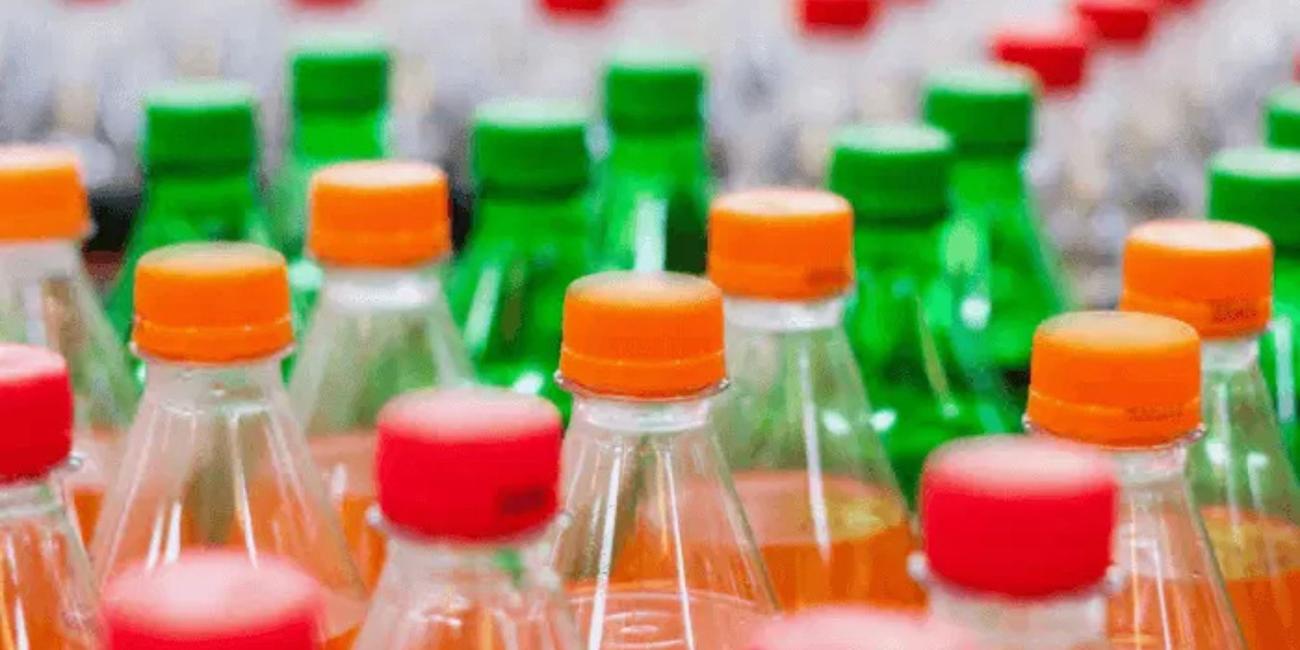
In a bold move to combat Nigeria’s escalating public health crisis, the Corporate Accountability and Public Participation Africa (CAPPA) has called on the federal government to raise the tax on sugar-sweetened beverages (SSBs) from the current ₦10 to ₦130 per litre.
Akinbode Oluwafemi, Executive Director of CAPPA, described the existing tax as grossly insufficient, ineffective in reducing excessive sugar consumption, and a missed opportunity to generate significant revenue for health promotion. He made this charge during a journalism training session on SSB taxation and industry interference, held in Enugu.
“This is not just a fiscal reform—it is a moral imperative,” Oluwafemi said, adding that a stronger SSB tax regime would help curb the rampant spread of non-communicable diseases (NCDs), such as diabetes and heart disease, which are wreaking havoc across Nigerian communities.
According to the World Health Organisation (WHO), implementing taxes that cause at least a 20% increase in the retail prices of sugary drinks leads to a proportional reduction in consumption. WHO has strongly advised member states, including Nigeria, to ramp up taxes on sugary drinks, alcohol, and tobacco by at least 50% over the next decade to slow the alarming rise in NCD-related deaths.
In Nigeria alone, NCDs are responsible for approximately 30% of annual deaths, and sugary drink consumption has been identified as a major contributor.
Oluwafemi criticised the current ₦10 per litre SSB tax introduced in 2021, explaining that it translates to merely ₦3 per 33cl bottle — a negligible increase that fails to influence consumer behaviour or promote healthier choices.
“₦10 per litre is a joke in the face of a health emergency. It doesn’t shift behaviour, and it doesn’t save lives. It’s time for a serious response,” he stated.
Backing his stance with data and global evidence, Oluwafemi pointed to the success of South Africa’s Health Promotion Levy, introduced in 2018, which led to a 29% drop in sugary beverage consumption among low-income earners within one year. He argued that a similar policy in Nigeria, if pegged at ₦130 per litre, would align with global best practices and produce measurable public health benefits.
However, Oluwafemi warned of expected pushback from the powerful SSB industry, which he accused of engaging in misinformation campaigns, lobbying, and covert tactics to sabotage public health policies.
“Time and again, the sugary drink industry, both at home and abroad, has tried to derail lifesaving regulations in the name of profit. But we must not allow the health of over 200 million Nigerians to be held hostage by corporate greed,” he declared.
He called on the media to take up the mantle of truth, urging journalists to educate the public on the dangers of excessive sugar intake, demand transparency from policymakers, and expose underhanded industry tactics.
“Journalists are the vanguard of public interest. You must dig deep, speak loudly, and shine a light on the silent epidemic sugar is fuelling in this country,” Oluwafemi urged.
Reiterating CAPPA’s position, he said raising the SSB tax is not merely about increasing revenue—it is a life-and-death issue that should supersede corporate interests.
“We must act now. Delay is denial, and in this case, denial costs lives. Every extra bottle consumed without a deterrent tax is a step closer to a hospital bed for millions of Nigerians,” he warned.
With the rising tide of NCDs and the mounting strain on Nigeria’s fragile healthcare system, CAPPA’s message is clear: Nigeria must choose health over profit, people over sugar.
 PIONEER NEWS