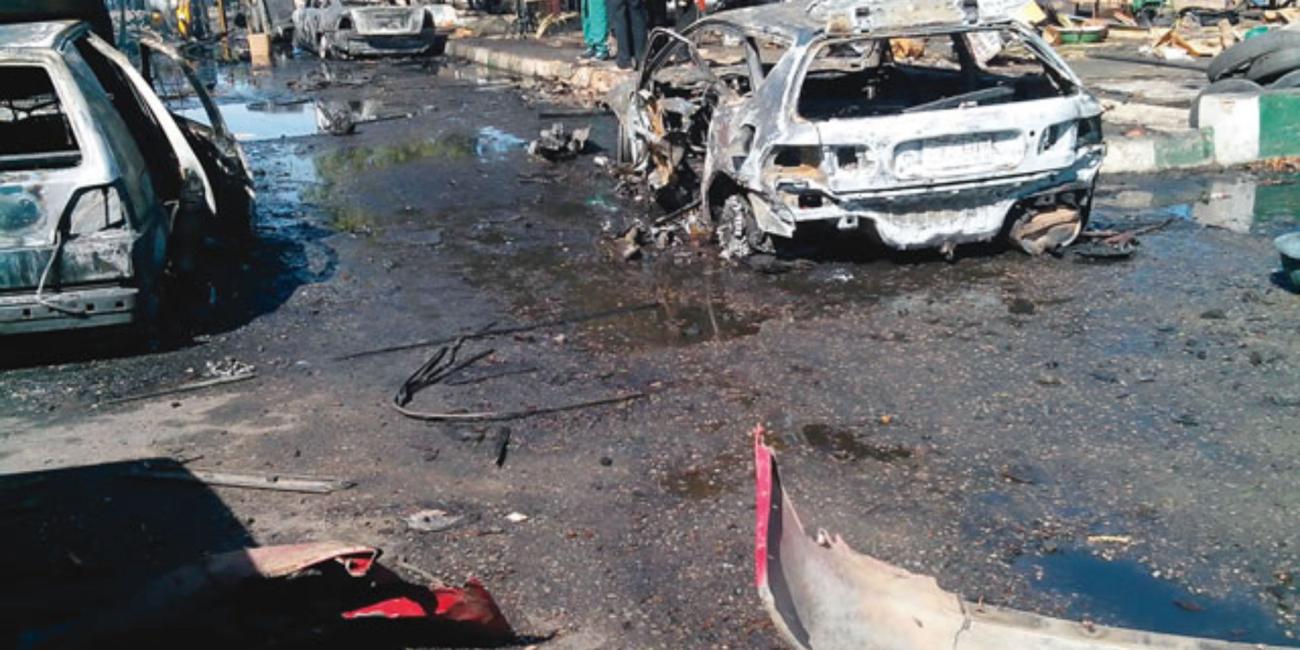
Tragedy struck in Yobe State on Friday morning as an improvised explosive device (IED), suspected to have been planted by insurgents, detonated along the Katarko-Goniri Road in Gujba Local Government Area, claiming the lives of four people and injuring at least 21 others.
The victims—mostly traders and residents from the Gotala Community—were en route to the bustling Buniyadi market when their vehicle hit the hidden explosive. The devastating blast sent shockwaves through the region, once again highlighting the persistent threat of insurgency in northeastern Nigeria.
When Channels Television visited the Damaturu Specialist Hospital, it was observed that the bodies of the deceased had been taken back to their community for burial rites. The injured, some in critical condition, are receiving treatment at both the specialist hospital and the Yobe State University Teaching Hospital in Damaturu.
Gotala, a rural community on the fringes of the dreaded Sambisa Forest, has long suffered the terror of Boko Haram insurgents and their splinter groups. For over 15 years, this volatile zone has remained a hotspot for guerrilla-style attacks, ambushes, and improvised bombings.
Eyewitnesses and local sources revealed that vigilante patrols and military convoys also encountered other IEDs buried along the same route later in the day. While some reportedly sustained injuries, others may have lost their lives. However, the Nigerian military is yet to release an official statement on the incident at the time of filing this report.
Distraught relatives of the victims, speaking from the hospital wards, issued a passionate appeal to the Yobe State Government. They called for the immediate rehabilitation of the Katarko-Goniri Road, which they described as a death trap frequently exploited by terrorists to stage deadly ambushes.
“This road is our lifeline and also the only access route to the Goniri military base,” said one relative. “Leaving it in this terrible condition gives insurgents the upper hand. We are at the mercy of bombers and killers.”
Security analysts have often warned that poor infrastructure in conflict-prone regions enables insurgent groups to maintain strongholds and endanger both civilians and security forces alike.
As the state grapples with this latest attack, pressure mounts on authorities to boost security presence, clear hidden explosives, and rebuild critical road networks that serve as lifelines for communities under siege.
 PIONEER NEWS