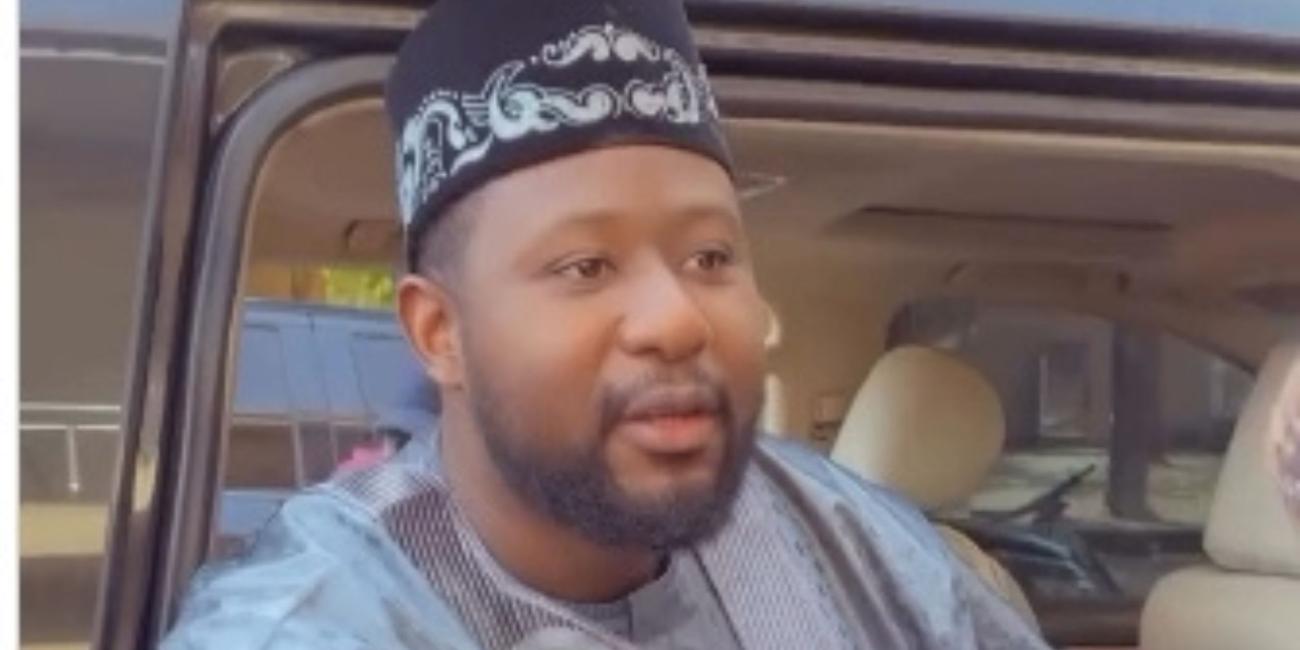
Dr. Abubakar Ahmad, a respected lecturer at the Federal College of Horticulture in Gombe State, is reportedly in critical condition at the Bauchi Correctional Centre, where he has been held for over two weeks under distressing conditions. His alleged crime? Reposting an old video of Shamsuddeen Bala Mohammed — the son of Bauchi State Governor, Bala Mohammed — dancing with his wife.
The controversial arrest has sparked widespread outrage, as rights activists, civil society organisations, and concerned citizens raise alarm over what they describe as an appalling misuse of state power, a breach of freedom of expression, and a glaring case of political vendetta.
According to SaharaReporters, Dr. Ahmad is currently battling acute malaria and has become dangerously emaciated. A close associate, Bashir Limanci, who visited him in detention, painted a grim picture of the lecturer’s deteriorating health.
> “He barely eats. He’s wasting away and urgently needs medical attention. It’s inhumane to let a man rot behind bars simply for sharing a video that has circulated for years,” Limanci stated passionately. “We are calling on the Bauchi State Government and human rights groups to act before it’s too late.”
Despite the innocuous nature of the video — which has been online and shared by countless Nigerians — Dr. Ahmad was reportedly singled out, allegedly at the behest of Shamsuddeen. His arrest followed a police invitation which he honored in good faith, only to find himself charged and remanded on allegations of defamation, criminal intimidation, and injurious falsehood under the Bauchi State Penal Code Law (2022).
His family has since made emotional appeals to Governor Bala Mohammed for intervention, citing their loyalty to the governor and the ruling party. His case, which has now been adjourned to July 9, 2025, is being fought in court as his legal team seeks a judicial review before the Bauchi State Chief Judge.
Dr. Ahmad’s plight has become a rallying point for free speech advocates and opposition voices who say his ordeal exemplifies the growing trend of suppressing dissent in Nigeria through the weaponization of the judiciary.
The Take-It-Back Movement, led by pro-democracy campaigner Omoyele Sowore, has condemned the arrest and continued incarceration of Dr. Ahmad as “tyrannical and unconstitutional,” accusing the governor’s son of hiding behind political power to escape public accountability.
Sowore, in a viral social media post, exposed what he called “a grand-scale looting operation” involving Shamsuddeen, who allegedly opened up to 50 bank accounts using corporate fronts to launder funds looted from Bauchi State coffers. The revelation, he claimed, was followed by a suspicious move by Shamsuddeen to disable the comment section on his Facebook page with over 45,000 followers, an apparent attempt to evade public backlash.
> “The son of a governor, using looted public funds, cannot continue to oppress innocent citizens. Dr. Ahmad must be released immediately. This injustice will not be tolerated in a democratic society,” Sowore declared.
Adding to the scandal is the contentious role of Justice Kawu Yarima, the judge who denied Dr. Ahmad bail. Appointed in 2024 by the National Judicial Council under former Chief Justice Olukayode Ariwoola, Yarima has come under intense scrutiny for allegedly lacking the legal experience and judicial prudence required for such a sensitive case.
A legal source familiar with the proceedings described Yarima’s decision as “shocking and ill-informed,” especially given that Dr. Ahmad poses no flight risk and is accused of a non-violent, cyber-related offence.
> “He is a novice on the bench and has no business handling a case of this magnitude. Denying bail to a critically ill academic over a Facebook repost is a mockery of justice,” the source said.
As Dr. Ahmad’s condition continues to deteriorate, Nigerians are watching with bated breath. Rights organisations are mobilising, public pressure is mounting, and international observers have begun to pay attention.
The lecturer’s detention raises troubling questions about freedom of speech, abuse of police powers, political intimidation, and the independence of Nigeria’s judiciary. It also reopens the debate over the need for comprehensive reform in how Nigeria treats social media-related cases — particularly where power dynamics skew justice against the vulnerable.

Unless urgent action is taken, Dr. Abubakar Ahmad may become the latest casualty in Nigeria’s darkening landscape of authoritarian overreach — punished not for a crime, but for simply sharing a moment of levity in a digital age that increasingly feels like a minefield.
 PIONEER NEWS