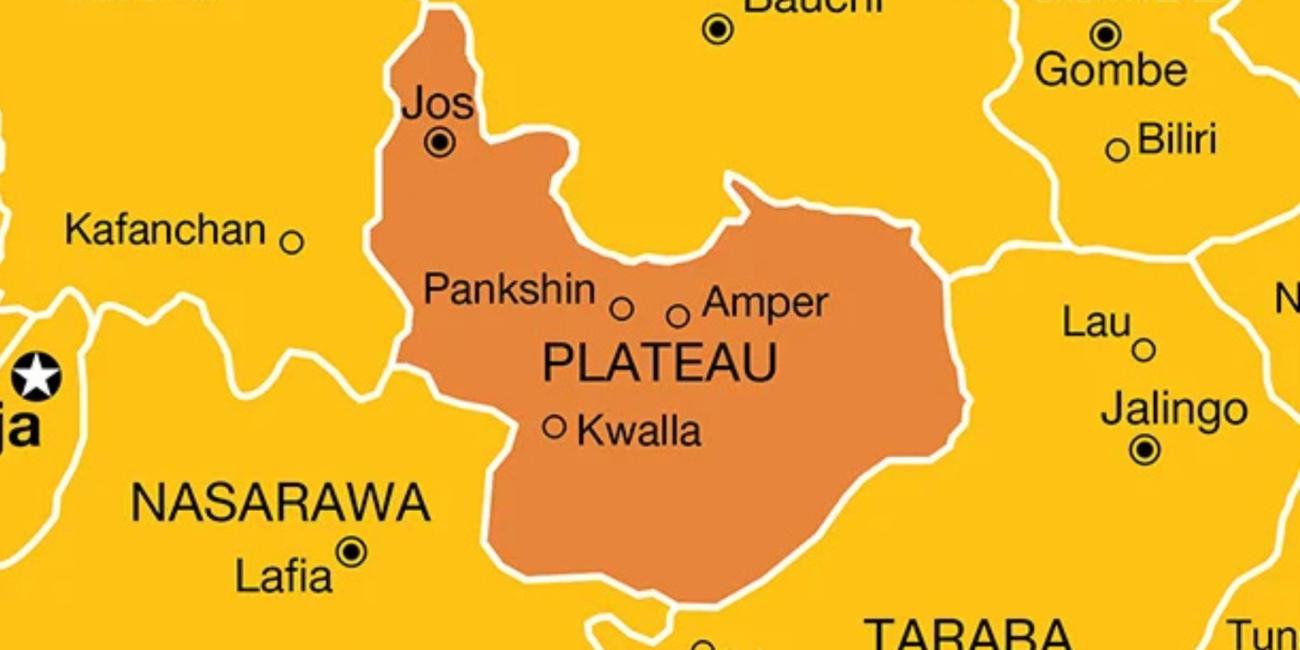
In a devastating escalation of violence, the Te’ebbe community in Miango District of Bassa Local Government Area, Plateau State, was plunged into mourning as three members of a farming family were brutally murdered in a fresh wave of attacks that continues to torment the state.
The victims—young women identified as local farmers—were ambushed and slaughtered while peacefully harvesting tomatoes on their farmland. The tranquil act of tending to the earth turned deadly, painting a grim picture of the ongoing insecurity in the region. Two other family members narrowly escaped death but sustained life-threatening injuries and were rushed to Jos for emergency treatment.
The timing of the attack has heightened outrage and sorrow. It occurred while a state-appointed fact-finding committee, led by retired General Roger Nicholas, was holding a high-level peace meeting with community stakeholders and security agencies at the Bassa Local Government Secretariat. The committee was tasked with investigating the roots of the protracted crisis and charting a path toward lasting peace in Plateau State, which has suffered waves of ethno-religious violence since 2001.
A visibly shaken General Nicholas condemned the attack, calling it one of the most heartbreaking moments of his life.
> “Today is one of the saddest days of my life. We were discussing solutions to bring peace to Bassa when news reached us of this horrific attack,” he lamented. “We immediately mobilized alongside the local government chairman and security operatives. On arrival, we found three lifeless bodies—innocent young women brutally murdered on their farmland. One man was critically injured and barely clinging to life. Another has been taken to Jos for urgent medical attention.”
The committee chairman emphasized the senselessness of the violence, noting that the victims posed no threat and were simply working to feed their families.
> “These were not fighters. These were hardworking girls harvesting tomatoes. What threat did they pose? This is a tragedy beyond words,” Nicholas added.
He urged restraint among the Irigwe youth, appealing for calm and cooperation with security forces in handling the situation.
> “As painful as this is, we appeal to our youths not to take the law into their hands. The security agencies are already on the case. The deceased have been taken for burial, and investigations are ongoing.”
Governor Caleb Mutfwang, who recently inaugurated the fact-finding committee to unravel the root causes of the persistent violence and recommend sustainable solutions, has yet to officially react to this latest tragedy. However, the brazen nature of the attack—occurring during a peace dialogue—underscores the urgent need for decisive action and enhanced security in Plateau’s most volatile regions.
The Te’ebbe killings mark yet another dark chapter in Plateau’s long and bloody struggle for peace. As families mourn and communities reel from yet another attack, questions linger: How many more lives must be lost before peace is not just a promise—but a reality?
 PIONEER NEWS