In a bold and strategic move signaling its commitment to regional economic cooperation, Nigeria has extended official invitations to Burkina Faso, Mali, and Niger Republic to attend the 2025 West Africa Economic Summit—despite their recent withdrawal from the Economic Community of West African States (ECOWAS).
The high-profile summit is slated to hold at the Abuja International Conference Centre from June 20 to 21, 2025, and is expected to bring together economic leaders, policymakers, and stakeholders across the region to forge new paths for West Africa’s shared prosperity.
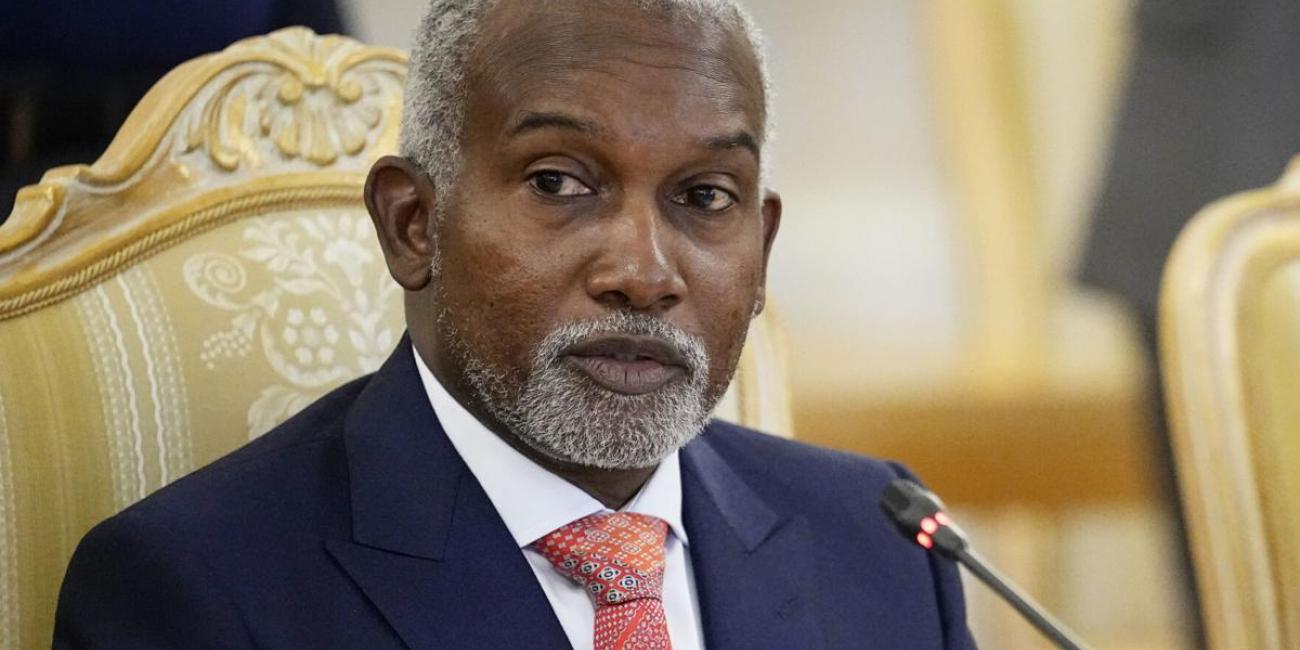
Announcing the development during a press briefing in Abuja, Nigeria’s Minister of Foreign Affairs, Ambassador Yusuf Tuggar, stressed that the invitation extended to the three Sahel nations was not only deliberate but also deeply rooted in Nigeria’s vision for inclusive regional development.
“While it is true that three countries in our region have chosen to depart from ECOWAS, this does not sever the bonds of trade, cooperation, and shared destiny that unite us as West Africans,” Tuggar said. “Geography does not change with politics. Niger, Mali, and Burkina Faso remain our neighbours, partners, and integral stakeholders in the future of West Africa’s economic transformation.”
Tuggar further emphasized that Nigeria’s engagement with the three countries has not diminished post-ECOWAS. “Trade doesn’t stop because of membership status. Our collaboration with Niger continues actively through joint commissions and development projects beyond the ECOWAS framework. The same is true for Burkina Faso and Mali, where cross-border trade, infrastructure partnerships, and economic exchanges are ongoing.”
The decision comes on the heels of the formal withdrawal of the three Sahel nations from ECOWAS in January 2024. Their exit—widely seen as a historic rupture in the bloc’s cohesion—sparked regional anxiety and speculation about the future of West African integration.
Nonetheless, ECOWAS responded with measured diplomacy, reaffirming its commitment to maintain ties with the citizens and businesses of the three nations. In a statement, ECOWAS urged all member states and institutions to continue recognising ECOWAS-branded passports and national ID cards from Burkina Faso, Mali, and Niger until further notice.
Additionally, the bloc recommended that trade relations remain unaffected. Goods and services from the three nations are to be processed under the ECOWAS Trade Liberalisation Scheme (ETLS), with investment policies remaining inclusive. Importantly, ECOWAS also urged continued visa-free movement, residency, and establishment rights for citizens of the departing countries.
“Allow citizens of the three affected countries to continue to enjoy the right of visa-free movement, residence, and establishment in accordance with ECOWAS protocols until further notice,” the statement read.
In what appears to be a geopolitical counterbalance, Burkina Faso, Mali, and Niger have accelerated efforts to institutionalise their own economic and political bloc. In May 2024, the three nations announced the finalisation of a draft agreement to form the Confederation of the Alliance of Sahel States (AES). The move, confirmed by Niger’s Foreign Minister, Bakary Sangaré, marks a new chapter in regional dynamics and could serve as a competing power bloc within West Africa.
Yet Nigeria’s move to include the trio in the 2025 summit demonstrates Abuja’s strategic intent to bridge the divide. Analysts view the gesture as an overture for continued dialogue and economic partnership, even outside of formal ECOWAS structures.
“As the largest economy in West Africa, Nigeria understands that our future is interwoven,” Tuggar said. “This summit is not just about economic numbers—it’s about restoring trust, fostering unity, and securing the region’s future, together.”
With political tensions and realignments defining West Africa’s new landscape, the 2025 summit may well become a historic turning point—where politics yields to pragmatism and unity triumphs over fragmentation.u
 PIONEER NEWS