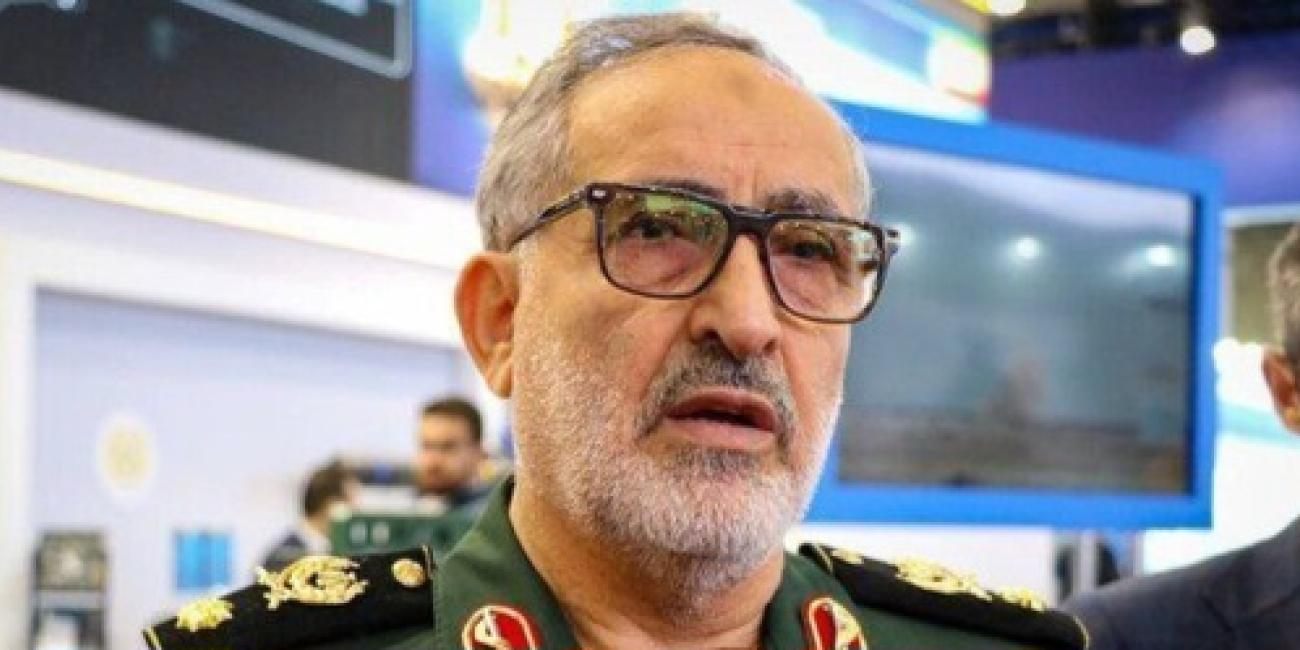
In a dramatic escalation of hostilities, the Israeli military has confirmed the assassination of Ali Shadmani, Iran’s highest-ranking military commander and wartime chief of staff. The Israeli Defense Forces (IDF), in a statement on Tuesday, described Shadmani as the “most senior architect of Iran’s regional military strategy” and a central figure in orchestrating Tehran’s foreign military campaigns.
While the IDF did not disclose the precise details surrounding his death, the killing of such a high-profile Iranian commander marks a significant turning point in the ongoing shadow war between the two adversaries. Reuters reported the confirmation without specifying the location or method of the targeted strike.
Ali Shadmani’s elimination is being viewed as one of the most daring Israeli operations against Iran in recent years, sending a clear message to Tehran amid rising tensions across the Middle East.
As the conflict intensifies, casualties continue to mount. At least 224 Iranians have reportedly lost their lives, while 24 Israelis have been confirmed dead in the spiraling confrontation. Analysts warn that these numbers are likely to rise as retaliatory strikes persist and neither side shows signs of retreat.
The international community is growing increasingly anxious. Countries such as China, Turkey, and France have issued urgent calls for restraint and diplomacy, warning that the region teeters on the brink of a catastrophic war.
On the diplomatic front, G7 leaders have issued a unified statement voicing strong support for Israel’s right to self-defense. The communiqué, released Tuesday, reads:
> “We affirm that Israel has a right to defend itself. We reiterate our support for the security of Israel.”
The statement, however, also underscores the urgent need to protect civilians and prevent further regional escalation. The G7 has called for a ceasefire in Gaza and urged all parties to seek diplomatic avenues to halt the violence.
Amid the surging crisis, former U.S. President Donald Trump, who was attending the G7 summit in Canada, reportedly cut his trip short to monitor the unfolding developments in the Middle East. His departure highlights the gravity of the situation and the global ramifications of a potential Iran-Israel war.
The killing of Ali Shadmani is not just a tactical victory for Israel—it is a geopolitical tremor. Observers fear it may ignite a broader military confrontation involving Iranian proxies across Lebanon, Syria, and Iraq, plunging the region into deeper chaos.
As the world watches with bated breath, the fate of millions now hinges on whether diplomacy can pull both nations back from the edge—or whether war will become the final answer.
 PIONEER NEWS