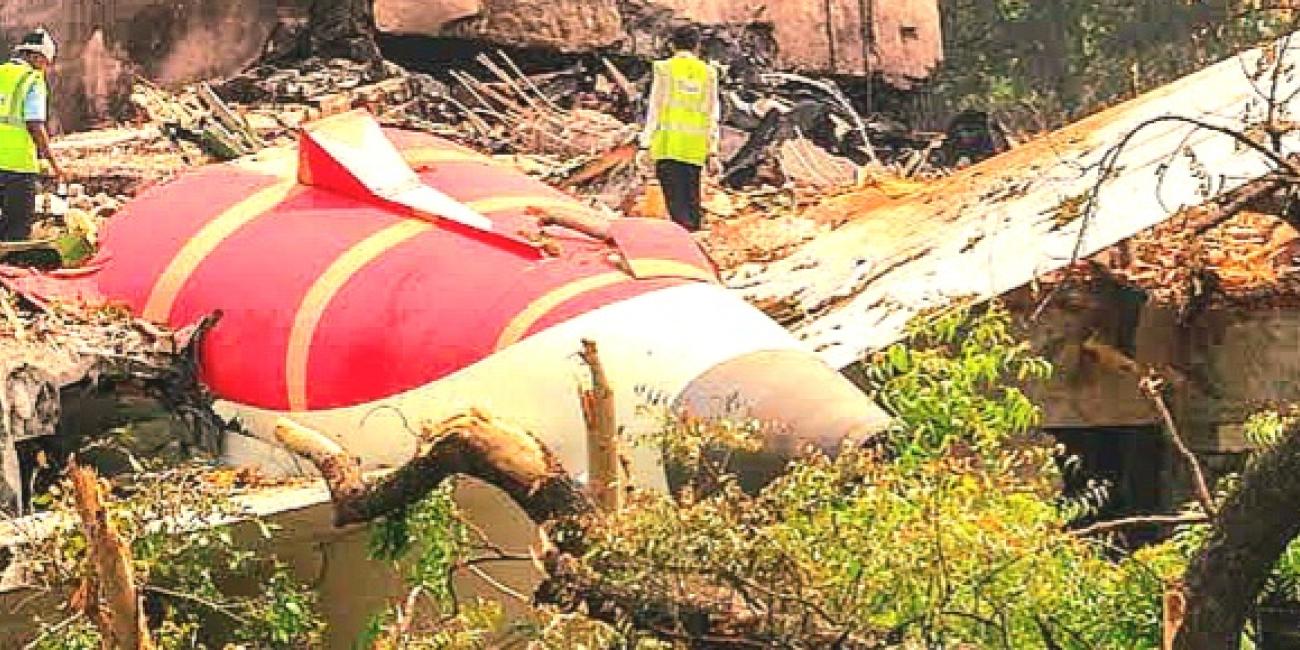
India has once again been plunged into mourning following a fresh aviation tragedy—this time in the form of a helicopter crash that claimed the lives of seven Hindu pilgrims in Uttarakhand, just days after the country was shaken by a catastrophic commercial air disaster in Ahmedabad.
The ill-fated helicopter, operated by Aryan Aviation, crashed into a densely forested area shortly after taking off from the revered Kedarnath temple, a major site in the annual Char Dham pilgrimage. It was headed toward Guptkashi, another spiritual destination nestled in the treacherous Himalayan terrain.
Officials reported that the crash occurred at approximately 5:30 a.m. local time, several miles off the standard flight corridor. Preliminary investigations suggest that adverse weather conditions—including thick fog and unpredictable mountain winds—likely played a significant role in the tragic accident.
The wreckage was discovered scattered across a ravine, making rescue and recovery operations particularly arduous. All seven individuals onboard—six pilgrims and the pilot—were confirmed dead at the scene.
“This is a heartbreaking loss, especially during the sacred yatra season,” said a senior Uttarakhand official. “Our thoughts are with the families of the deceased. We will leave no stone unturned in uncovering what went wrong.”
The Directorate General of Civil Aviation (DGCA) has initiated a high-level investigation and may reevaluate existing flight safety protocols for mountainous regions, where aviation risks are heightened by challenging terrain and volatile weather.
This devastating incident comes as India is still reeling from a much deadlier catastrophe—the Air India crash in Ahmedabad that claimed at least 270 lives just four days earlier.
That crash involved a Boeing 787 Dreamliner bound for London, which spiraled out of control moments after takeoff and slammed into a residential area near a medical college hostel. The fiery crash not only killed 241 of the 242 people on board but also took 29 lives on the ground, making it one of the deadliest air disasters in India’s history.
Miraculously, one passenger survived. Vishwash Kumar Ramesh, a 40-year-old British national, recounted the terrifying ordeal from his hospital bed:
“Thirty seconds after takeoff, there was a loud noise—and then the plane just dropped. It all happened so quickly,” he told Hindustan Times, his voice still trembling. “When I got up, there were bodies all around me. I was scared. I ran. Someone pulled me into an ambulance.”
Vishwash, who had flown to India to visit family, was returning to the UK alongside his brother, Ajay Kumar Ramesh, who sadly did not survive the crash.
In the wake of the Ahmedabad tragedy, Indian aviation authorities launched emergency inspections of all Boeing 787-8 and 787-9 aircraft in the national fleet, particularly those powered by GEnx engines. The directive includes rigorous checks on takeoff performance metrics, electronic engine controls, and fuel distribution systems to prevent a recurrence of such horror.
The international community has joined India in mourning. French President Emmanuel Macron extended his condolences, saying, “We have learned with deep emotion of the tragic plane crash in Ahmedabad. In this time of sorrow, I extend our heartfelt thoughts to the victims’ loved ones and to Prime Minister @NarendraModi.”
Italian Prime Minister Giorgia Meloni added, “Deeply saddened by the tragic plane crash. On behalf of the Italian Government and myself, I express my sincerest condolences to the families of the victims and our full solidarity with the Indian people in this time of great sorrow.”
Now, with two aviation tragedies unfolding within days of each other, pressure is mounting on Indian authorities to overhaul safety oversight, particularly for flights navigating dangerous or densely populated areas. As the nation mourns, questions abound—and answers are urgently needed.
 PIONEER NEWS