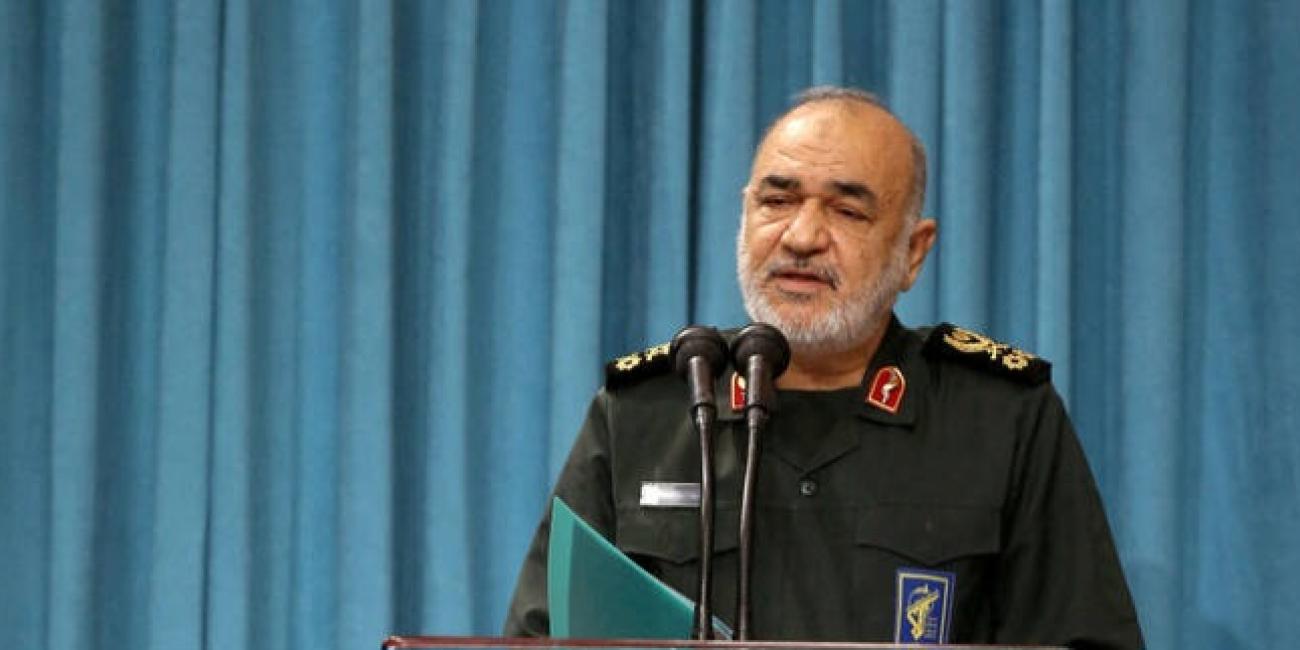
In an unprecedented escalation of hostilities between Israel and Iran, Israeli airstrikes on Friday struck the Iranian capital of Tehran, killing several high-ranking officials, including Major General Hossein Salami, the powerful commander of Iran’s elite Islamic Revolutionary Guard Corps (IRGC).
Also confirmed dead are Deputy Chief of Army Staff, General Gholam Ali Rashid, and two of Iran’s leading nuclear scientists—Mohammad Mehdi Tehranchi and Fereydoon Abbasi—in what is being described as one of the most daring and consequential military operations in recent history.
According to Israeli officials, the strikes targeted critical Iranian nuclear and military infrastructure, including the heavily fortified uranium enrichment facility in Natanz. Prime Minister Benjamin Netanyahu declared that the offensive was a “preemptive operation” aimed at halting Iran’s nuclear ambitions.
“This was a necessary strike to prevent a regime bent on our destruction from acquiring weapons of mass annihilation,” Netanyahu stated in a televised address. “Israel will not sit idle while Iran edges closer to nuclear breakout.”
Iran, which has consistently denied seeking nuclear weapons, insisted that its nuclear program remains strictly for peaceful, civilian purposes. However, the magnitude of the Israeli attack—and the high-profile casualties—have sent shockwaves throughout the region.
In a fiery address Friday morning, Iran’s Supreme Leader, Ayatollah Ali Khamenei, confirmed the deaths of several senior military commanders and scientists, vowing that Israel would face “severe and unforgettable punishment” for what he called a blatant act of war.
“The Zionist regime has crossed every red line. This aggression will not go unanswered,” Khamenei warned, accusing the Israeli Defense Forces (IDF) of deliberately targeting civilian-populated areas in Tehran during the raid.
The Iranian Armed Forces’ General Staff echoed Khamenei’s sentiments, describing the attack as “cowardly and criminal,” promising a “crushing response that will shake the foundation of the enemy’s arrogance.”
The timing of the assault is especially significant—it comes just days before the scheduled sixth round of nuclear negotiations between the United States and Iran in Oman. The talks, already teetering on collapse, now face the added pressure of a possible regional war.
U.S. Secretary of State Marco Rubio swiftly distanced Washington from the strikes, stating on Friday, “The United States had no involvement in the Israeli operation. Our focus remains on pursuing diplomatic avenues.”
However, former U.S. President Donald Trump, who has maintained a hawkish stance on Iran, weighed in by accusing Tehran of deliberately stalling negotiations. “Iran has been slow-walking these talks while racing toward nuclear capability. Israel acted because the world refused to,” he said.
As the international community watches with bated breath, analysts warn that this incident could spiral into a broader conflict, dragging multiple players into a devastating confrontation in the Middle East. The killing of Salami, Rashid, and top nuclear scientists has not only decapitated key elements of Iran’s defense and scientific leadership—it has thrown open the gates to a geopolitical firestorm.
Tensions are now at a boiling point. The world is bracing for Iran’s retaliation—and what could follow may be unlike anything the region has seen in decades.
 PIONEER NEWS