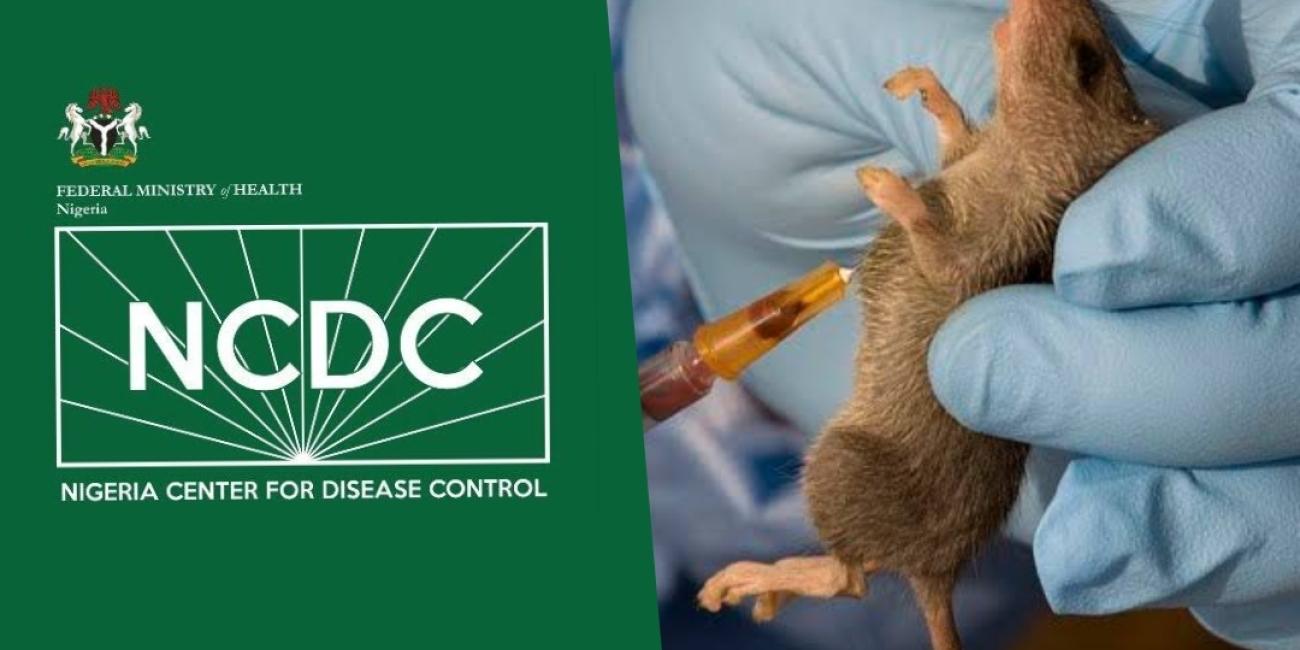
The Nigeria Centre for Disease Control and Prevention (NCDC) has raised the alarm over a disturbing resurgence of Lassa fever, which has already claimed 142 lives and infected 747 individuals across 18 states as of Epidemiological Week 22, 2025.
In a situation report released Thursday, the NCDC disclosed that the current Case Fatality Rate (CFR) has spiked to 19.0%, a marginal yet worrisome increase from the same period in 2024 — signaling the need for heightened vigilance and intensified public health measures.
The latest data reveal that Ondo and Bauchi States are bearing the brunt of the outbreak, accounting for 31% and 25% of confirmed infections, respectively. Other states severely affected include Edo (16%), Taraba (16%), and Ebonyi (3%), collectively making up 91% of all confirmed cases.
From Week 21 to Week 22, new confirmed cases rose from six to eight, with Ondo, Bauchi, Edo, and Nasarawa recording fresh infections — further underscoring the persistent threat of the disease.
The most affected demographic remains the 21–30 years age group, with a median age of 30. Males are slightly more impacted, with a male-to-female ratio of 1:0.8, suggesting a nearly even distribution of infections across genders.
Despite a general decline in both suspected and confirmed cases compared to 2024, the NCDC stressed that the situation remains critical. The agency continues to spearhead a multi-sectoral, multi-partner response through its Incident Management System (IMS), aimed at curbing the spread and mitigating impact.
In response to the growing threat, the NCDC has deployed 10 National Rapid Response Teams to the hardest-hit states, operating under a One Health approach that integrates human, animal, and environmental health disciplines.
The agency has also rolled out several vital interventions:
Launch of an IPC e-learning platform, developed in partnership with DRASA and funded by the Global Fund.
Distribution of IPC guidelines for Viral Haemorrhagic Fevers (VHFs) to frontline health facilities, backed by the Robert Koch Institute.
Support for State IPC structures and treatment centres, and strengthening of the Orange Network to minimize hospital-acquired infections.
Webinars and on-ground training for healthcare workers in Bauchi, Ebonyi, and Benue States, with the support of the World Health Organization (WHO).
Additionally, the NCDC is coordinating forecasting and distribution of medical countermeasures, including Personal Protective Equipment (PPEs), Ribavirin, and body bags to various treatment facilities nationwide.
In a demonstration of international solidarity, the NCDC is working closely with Georgetown University and other global health partners to reinforce its response efforts. Surveillance, contact tracing, and active case finding remain ongoing in high-risk areas to halt community transmission.
The NCDC has reiterated the urgent need for public awareness campaigns, emphasizing proper hygiene, community engagement, and early reporting of symptoms to health authorities.
As Lassa fever continues to silently ravage communities, especially in rural and underserved regions, the NCDC’s message is clear: Nigeria cannot afford complacency.
 PIONEER NEWS