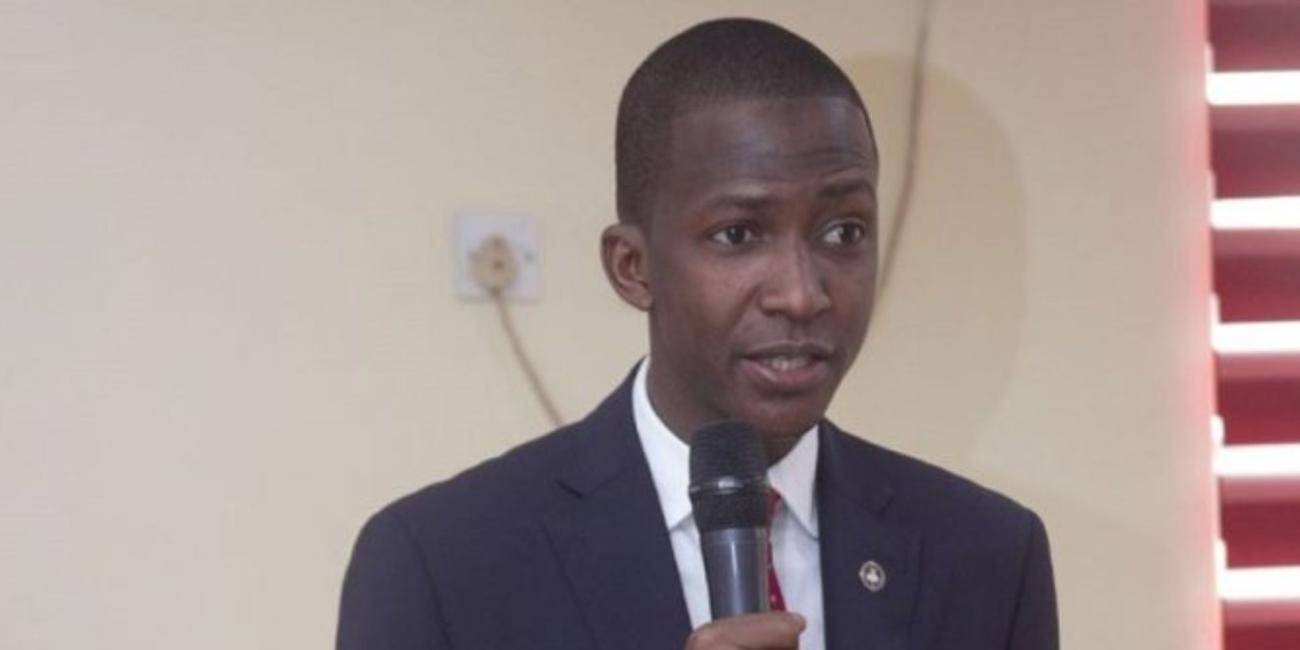
In a jaw-dropping exposé that has sent shockwaves through Nigeria’s political and economic landscape, former Chairman of the Economic and Financial Crimes Commission (EFCC), Abdulrasheed Bawa, has peeled back the curtain on one of the nation’s most audacious financial rackets — the fuel subsidy fraud. In his new book, The Shadow of Loot & Losses: Uncovering Nigeria’s Petroleum Subsidy Fraud, Bawa reveals how billions of naira were brazenly looted through phantom fuel imports, inflated invoices, and forged documentation.
Drawing from his firsthand experience as the EFCC’s lead investigator during the infamous 2012 fuel subsidy probe, Bawa’s revelations are not merely allegations — they are a damning indictment of systemic corruption, institutional complicity, and executive impunity that have haunted Nigeria’s oil sector for decades.
According to a statement released on Wednesday by Vic Akinrogunde on behalf of the book’s publishers, The Shadow of Loot & Losses, published by CableBooks (an imprint of Cable Media & Publishing Ltd), provides a chilling account of “ghost importing, over-invoicing, manipulated shipping records, forged bills of lading, and collusion between high-ranking government officials and private sector criminals.”
> “Companies routinely claimed subsidies for fuel that was never imported, or inflated shipment volumes to receive bloated payouts,” Bawa wrote. “In some instances, a single shipment was used to claim subsidy payments multiple times — a practice known as round-tripping.”
He explained how forged documentation and lax regulatory oversight enabled these crimes to thrive. “Fuel meant for Nigerian citizens was often diverted to black markets or smuggled into neighboring countries, where it was sold at inflated prices — all while Nigerian taxpayers footed the bill.”
Bawa’s book underscores how Nigeria’s fuel subsidy program, originally designed to cushion the populace from global oil price shocks, was instead weaponized by greedy elites to plunder the nation’s treasury with surgical precision. The result: a hemorrhaging economy and an embattled populace left to bear the burden of rising fuel prices and economic stagnation.
The book also touches on the infamous 2012 subsidy removal attempt by former President Goodluck Jonathan, which led to nationwide protests — a reflection of the subsidy’s sensitive role in Nigeria’s socio-political fabric.
> “The Shadow of Loot & Losses is not just a chronicle of fraud,” Bawa emphasizes. “It is a manifesto for reform — a clarion call for transparency, accountability, and institutional integrity in Nigeria’s public finance management, particularly in the oil and gas sector.”
Bawa, who served as EFCC chairman from 2021 until his controversial suspension in 2023 under President Bola Tinubu’s administration, provides rare insights into the bureaucratic bottlenecks, political interference, and entrenched interests that continue to stifle Nigeria’s anti-corruption fight.
Ironically, just weeks after Bawa’s exit, President Tinubu made the bold move to abolish the fuel subsidy in May 2023 — a decision that, while hailed by economists, has plunged millions of Nigerians deeper into poverty due to skyrocketing fuel prices and inflation. Critics argue that without transparency and proper safeguards, subsidy removal risks becoming another opportunity for elite profiteering.
Now available in bookstores nationwide via RovingHeights, Bawa’s book is poised to become a lightning rod in Nigeria’s long-running conversation about corruption, accountability, and economic justice.
If anything, The Shadow of Loot & Losses is more than a literary effort — it is a whistle blown with unwavering force. And Nigeria, once again, is at a crossroads: either to listen, or to watch history repeat itself.
 PIONEER NEWS