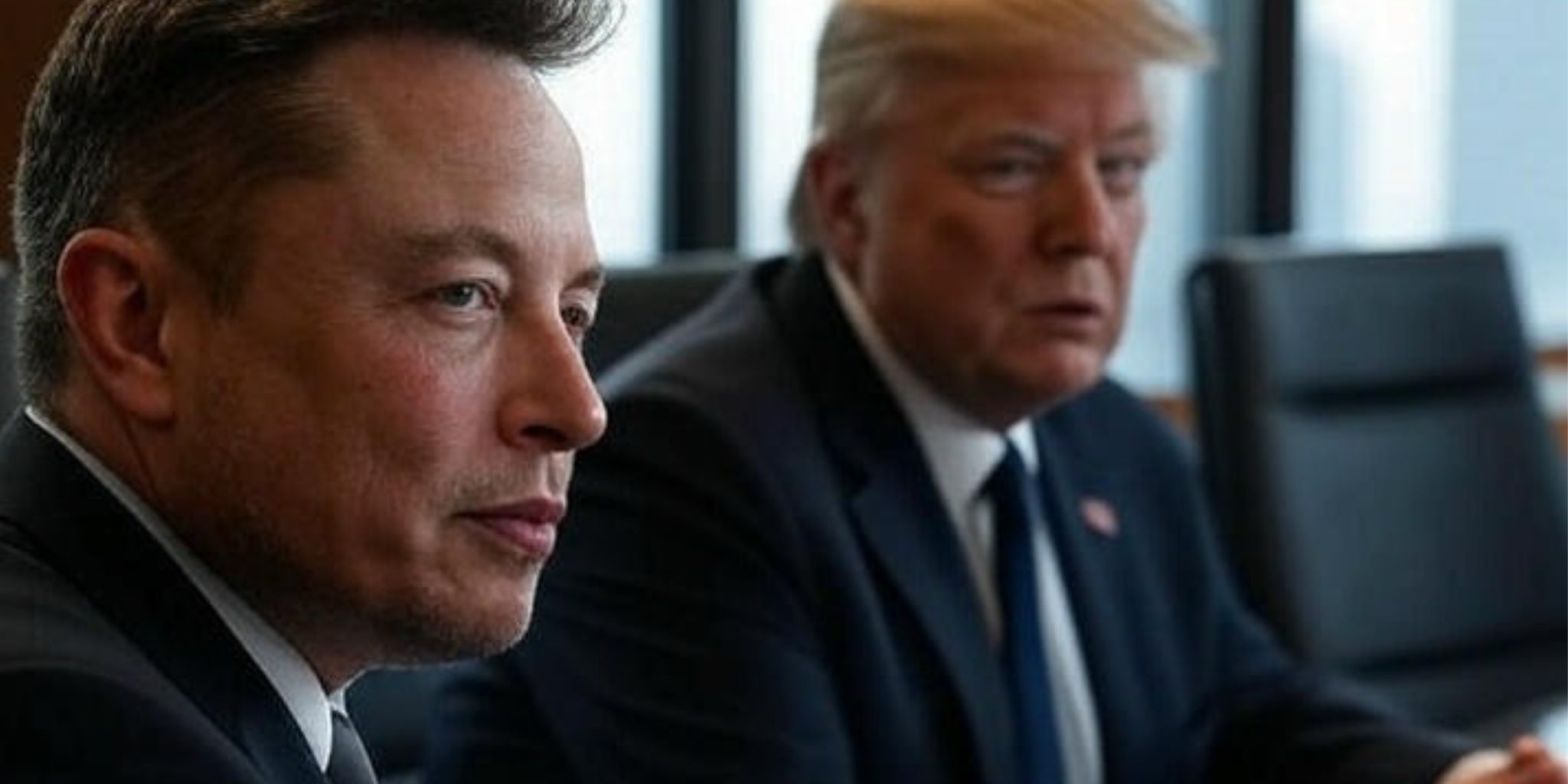
In a dramatic move that has sent shockwaves through Washington and Wall Street alike, tech titan and world’s richest man, Elon Musk, has officially severed ties with the Donald Trump administration, ending a polarizing tenure as Special Government Employee with the Department of Government Efficiency (DOGE).
The unexpected resignation was announced late Wednesday via Musk’s own social media platform, X, capping off months of mounting tension between the billionaire and the Trump White House over fiscal policies and public backlash.
> “As my scheduled time as a Special Government Employee comes to an end, I would like to thank President @realDonaldTrump for the opportunity to reduce wasteful spending,” Musk posted.
“The @DOGE mission will only strengthen over time as it becomes a way of life throughout the government.”
Though Musk’s appointment to DOGE was always intended to be part-time—limited to 130 days annually—his exit comes just 24 hours after publicly lambasting the Trump administration’s newly proposed “big, beautiful” budget bill, warning that it would balloon the federal deficit and undermine fiscal discipline.
In a scathing interview with CBS News, Musk quipped, “A bill can be big, or it can be beautiful—but I’m not sure it can be both,” taking a direct jab at Trump’s self-congratulatory rhetoric. Musk also accused the bill of undermining the core mission of DOGE, which was created to streamline and slash bloated federal expenditures.
Initially unveiled in the early days of Trump’s second term, DOGE had promised to deliver a jaw-dropping $2 trillion in government savings. That figure was quietly revised down to $150 billion, but even that target came with serious human cost: nearly 260,000 federal workers were either laid off or offered voluntary exit packages under Musk’s leadership.
The sweeping cuts, while hailed by some conservatives as long-overdue fiscal surgery, quickly drew fierce legal and political resistance. Courts later reinstated dozens of employees, including top scientists from the U.S. nuclear program, citing unlawful termination and national security concerns.
Musk, once hailed as a reformist crusader, found himself increasingly isolated—and vilified. Protesters vandalized Tesla vehicles and charging stations in more than a dozen cities. Social media campaigns branded him a “tech tyrant,” and activists burned his effigy in front of federal buildings.
“DOGE is just becoming the whipping boy for everything,” Musk complained during a SpaceX event in Texas. “If a federal toilet doesn’t flush, somehow we’re to blame.”
Adding fuel to the fire, Tesla’s performance nosedived during Musk’s government stint. The electric carmaker reported a 13% drop in Q1 vehicle sales, the sharpest in its history. The stock plummeted 45%, before clawing back some gains in recent weeks.
In a recent earnings call, Musk confirmed what many had long speculated: he was pulling back from public service. “The time I allocate to DOGE will drop significantly,” he said. “Tesla requires my full focus now more than ever.”
The fallout has prompted a stern response from U.S. Attorney General Pam Bondi, who condemned the anti-Musk protests as “domestic terrorism” and vowed to prosecute offenders “to the fullest extent of the law.”
Meanwhile, during a global business forum in Doha, Qatar, Musk made a defiant promise: he will remain Tesla’s CEO for at least the next five years and significantly reduce political donations, after reportedly spending nearly $300 million backing Trump and other GOP candidates during last year’s election cycle.
With Musk’s exit, the future of DOGE remains uncertain. While some Trump allies hailed his contributions, others privately admitted the initiative had become a “political liability.”
For Elon Musk, the move signals a shift back to his roots—space rockets, electric cars, and artificial intelligence—after a whirlwind foray into the bruising world of American politics.
Whether this marks the end of his political adventures, however, remains to be seen. In Musk’s world, the next disruption is always just around the corner.
 PIONEER NEWS