By Barr. Solomon Dalung
In the annals of Nigerian political history, no president basked in as much orchestrated adulation heading into a re-election bid as Goodluck Ebele Jonathan. His 2015 campaign was a grand theatre of endorsements—across party lines and power blocs. Governors, senators, traditional rulers, religious clerics, billionaires, and over 10,000 well-funded support groups flooded the media space with one resounding prediction: Jonathan’s victory was inevitable. By noon on election day, some declared, the deed would be done.
With limitless access to state resources, Jonathan’s presidency became a banquet for opportunists. Patronage was dispensed with reckless abandon—loyalty rewarded not with merit but with naira and dollars. Even a casual greeting of “Mama Peace” could earn a fortune. The presidency was not just campaigning; it was buying love in bulk.
But beneath the glittering surface, the reality was grim.
One month to the original February 2015 election date, an international pollster, secretly engaged by Jonathan’s team, delivered an unwelcome verdict: if elections held as scheduled, Jonathan would lose. Alarmed, the president summoned the National Security Adviser (NSA), Col. Sambo Dasuki, and the DSS chief. Their internal intelligence corroborated the poll. The North, long alienated and bruised by Boko Haram’s rampage, was mobilized and hell-bent on voting him out.
In a panic-fueled move, Jonathan’s government postponed the elections by six weeks—citing insecurity in the North-East. This was a cruel irony, considering the same administration had looked the other way while insurgents displaced thousands, hoping the voter suppression would tilt the scales in his favour.
Suddenly, a government that had watched the North burn sprang into action. Military operations were fast-tracked, territory reclaimed, and troops deployed—not out of newfound compassion, but desperation to rescue a crumbling re-election dream. The goal wasn’t to save lives. It was to salvage power.
INEC Chairman Prof. Attahiru Jega stood his ground, refusing to disenfranchise displaced persons. The North was undeterred. The electoral battle lines were drawn.
In the haze of despair, Dasuki was dispatched to London to market the postponement to international partners. On his return, the vaults of the Central Bank burst open like a dam. Billions flowed—ostensibly for arms procurement, but in reality, fueling Jonathan’s campaign machine. The infamous $2.1 billion arms scandal became a river of gold for cronies, contractors, and an army of sycophants.
Even voodoo found a budget line. Former Sokoto Governor Attahiru Bafarawa allegedly received ₦4.6 billion (over ₦40 billion today) to conscript marabouts, witch doctors, and prayer warriors into the electoral war.
And what did all this buy?
Nothing.
On election day, Nigerians spoke—loudly, clearly, and with finality. Jonathan was ousted. The APC was stunned by the landslide. The PDP remains dazed to this day.
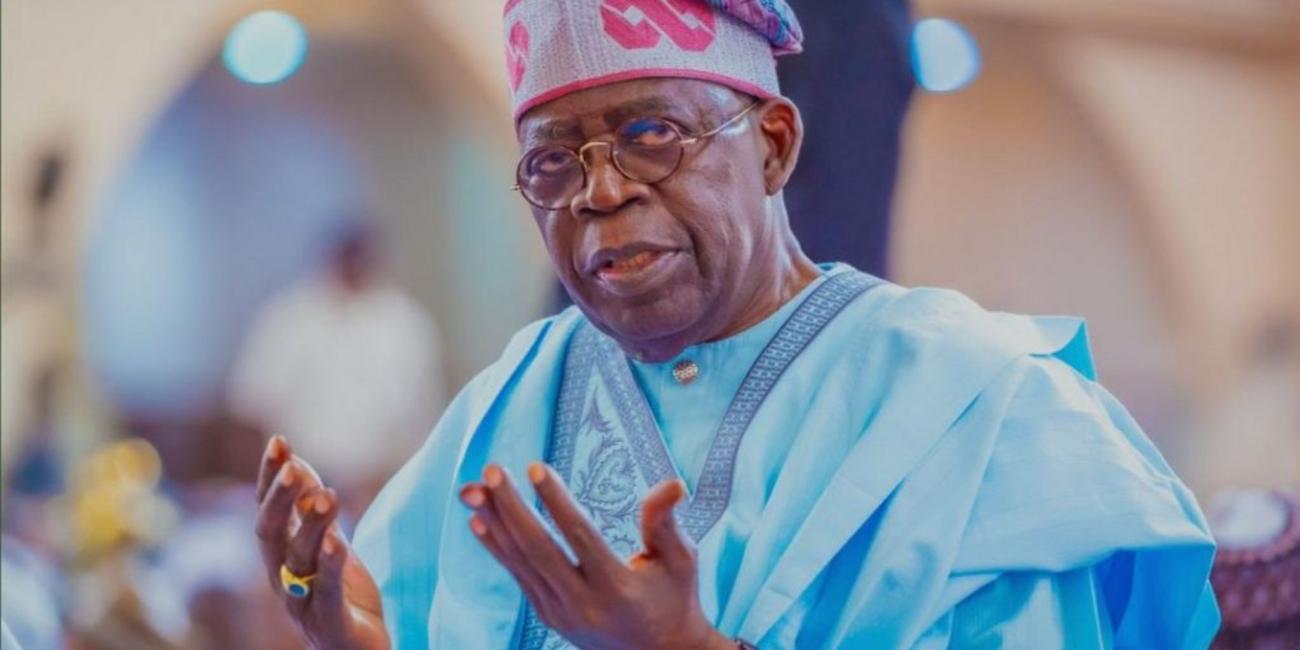
Now, in 2025, history threatens to repeat itself—this time with President Bola Ahmed Tinubu.
Buoyed by flattery and drunk on delusions of infallibility, Tinubu struts like a “master strategist,” oblivious to the deepening anguish in the land. Yet the warning signs glare. A trail of broken promises, rising hunger, inflation, insecurity, and mass despair litters his path. But like Jonathan before him, he surrounds himself with praise-singers who mistake noise for victory.
This is not 2027 vs. 2015 redux. This is not APC vs. PDP. This is Nigerians vs. their tormentors.
Tinubu’s administration presides over a nation in economic free fall. The pain inflicted on the average citizen today dwarfs what Jonathan’s government imposed. Yet, instead of introspection, there’s arrogance. Instead of humility, there’s hubris.
And like in 2015, attempts are underway to rebrand failure with flashy events, rented crowds, and hollow endorsements.
But Nigerians remember.
They remember Obasanjo’s iconic quip: “Postponing the funeral doesn’t wake the dead. You’re only delaying the burial.”
That truth echoes louder now than ever. Politically, this administration is already interred in the hearts of millions. No amount of media spin, dollar rain, or ceremonial fanfare can reverse the verdict of the street.
Nigeria is a nation too big to be conquered by any man. It resists tyranny with patience, then strikes with precision. Any leader deaf to the cries of the people walks the path of self-destruction.
Tinubu should beware: he is not the exception. He is walking a well-worn road—one that led Goodluck Jonathan from Aso Rock to political oblivion.
And if history is any guide, no matter how long you delay the funeral, the burial is coming.
 PIONEER NEWS