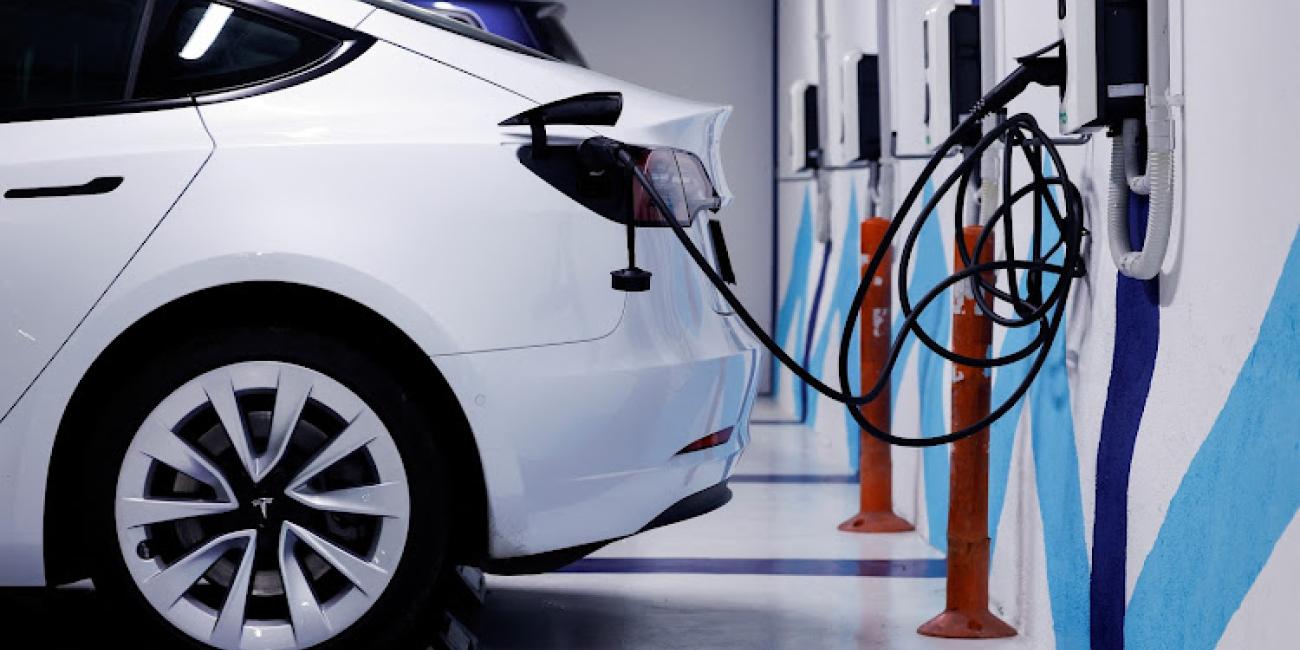
In a major diplomatic and industrial development, China has unveiled plans to establish electric vehicle (EV) manufacturing plants in Nigeria, as part of a broader strategy to deepen economic cooperation and accelerate industrialisation in Africa’s most populous nation.
This announcement came during a courtesy visit by the Chinese Ambassador to Nigeria, His Excellency Yu Dunhai, to the Minister of Solid Minerals Development, Dr. Dele Alake, over the weekend.
According to a statement issued by Segun Tomori, the Minister’s Special Assistant on Media, Ambassador Dunhai expressed Beijing’s renewed interest in Nigeria’s vast solid minerals sector—emphasising its potential as a cornerstone for technological innovation, industrial growth, and green energy transition.
“Nigeria is a great country, richly endowed with natural resources,” Dunhai remarked. “China places Nigeria at the heart of its African engagement strategy and is committed to fostering a robust, mutually beneficial partnership.”
He pointed to the recent bilateral talks between President Bola Ahmed Tinubu and Chinese President Xi Jinping—where both leaders agreed to elevate ties to a Comprehensive Strategic Partnership—as a milestone moment in Nigeria-China relations.
Ambassador Dunhai revealed that Chinese companies, already active in Nigeria’s mining and mineral processing sectors, are set to scale up their operations by exploring value-added ventures, notably the establishment of EV factories that will leverage Nigeria’s abundant lithium deposits.
“China is fully aligned with Nigeria’s economic diversification agenda, particularly through the solid minerals sector,” he said. “Our companies have been directed to comply fully with local laws, including Corporate Social Responsibility (CSR), and environmental and safety standards.”
Underscoring Beijing’s intolerance for illegal mining, Dunhai affirmed that the Chinese government is prepared to cooperate with Nigerian authorities to ensure rogue operators are prosecuted, declaring: “There is zero tolerance for illegal activities, and we will not shield any offenders.”
Responding, Minister Dele Alake praised the longstanding cooperation between the two nations but didn’t shy away from raising concerns about a few errant operators. He cited a recent viral video showing a Chinese national allegedly involved in bribery, noting that swift punitive action has been taken.
“While most Chinese firms operate lawfully and contribute positively to our economy, a few bad actors tarnish the image of the rest,” Alake stated. “We appreciate your support in bringing such individuals to justice. We must not allow these isolated incidents to derail our shared progress.”
The Minister also highlighted the impact of the newly inaugurated Mining Marshals, a special task force formed to combat illegal mining. He said the initiative had “sent a strong message across the sector” and had significantly improved compliance levels.
Reiterating Nigeria’s resolve to end the era of raw mineral exports, Alake stressed the importance of local beneficiation.
“For too long, our raw materials have built foreign economies. That era is over. With resources like lithium, we must now lead in battery and EV production—right here in Nigeria,” he asserted.
The Minister urged the Chinese envoy to mobilise investors toward full-cycle investments, from mineral extraction to local processing, emphasising Nigeria’s strategic advantage with its massive domestic market, youthful workforce, and growing focus on clean energy.
In his closing remarks, Ambassador Dunhai reaffirmed China’s support for Nigeria’s value-addition initiative, describing it as fully in line with President Xi Jinping’s vision for African industrial renaissance.
According to the statement, concrete plans are already underway to set up electric vehicle factories and allied manufacturing hubs in Nigeria—a development that could reposition the country as a continental hub for green technology and sustainable mobility.
 PIONEER NEWS