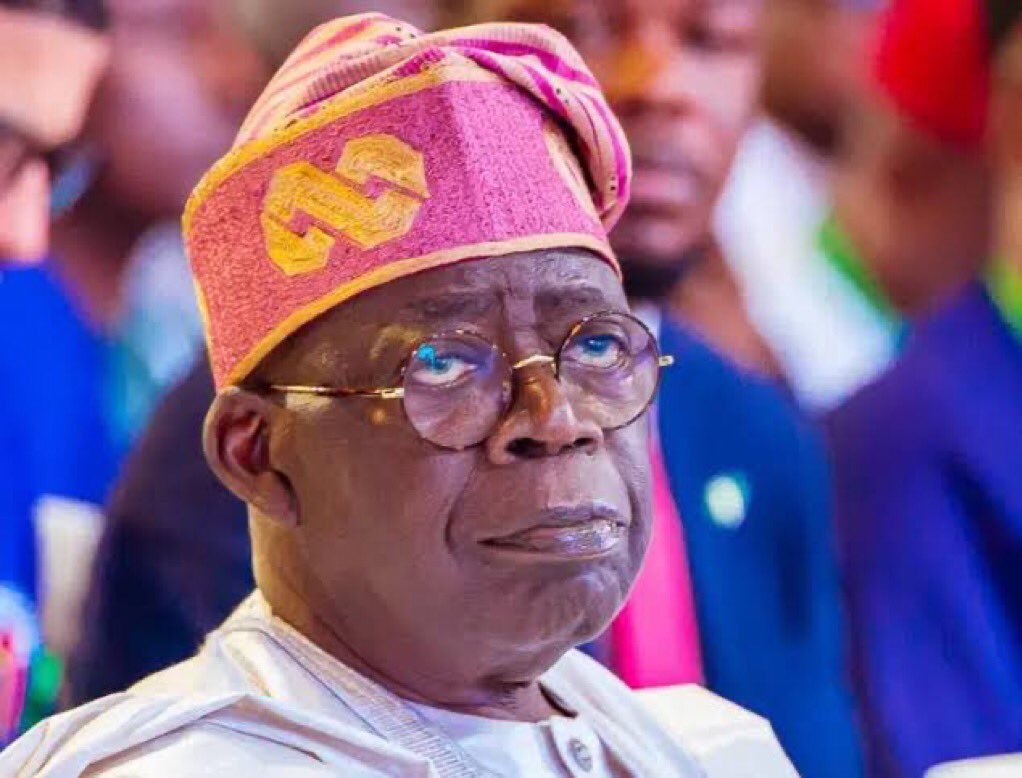
As millions of Nigerians groan under the weight of unrelenting blackouts and a comatose national grid, President Bola Tinubu’s administration has ignited a firestorm of criticism over its latest budgetary priorities—chief among them, a staggering N10 billion allocation for the solar electrification of the Presidential Villa.

While homes and hospitals across the country plunge into darkness, and small businesses buckle under the high cost of fuel for generators, the seat of power in Abuja is being wired to shine uninterrupted—off-grid, in full solar splendor.
This move comes even as the 2025 budget allocates a paltry N5 billion per geopolitical zone for critical electricity infrastructure like transformers and cables—equipment that still relies on Nigeria’s erratic national grid. When broken down, that means a mere N833 million per state, compared to the N10 billion earmarked for a single location: the Villa.
The contrast is staggering. In early 2025 alone, the national grid has collapsed twice, plunging major cities like Lagos, Kano, and Port Harcourt into darkness. Across the country, frustrated citizens have taken to social media and the streets to demand answers.
“How does one villa get more power investment than 85 million people combined?” one Lagos resident tweeted, capturing the nation’s growing sense of betrayal.
Even the Minister of Power, Bayo Adelabu, conceded that over 80 million Nigerians live without any form of electricity. Meanwhile, rural electrification remains a pipe dream, with only 32.9% of rural dwellers enjoying access to power, according to World Bank figures.
Though the government touts solar energy as the future, it remains a luxury few can afford. Investigations by SaharaReporters reveal that a basic 26-amp solar setup—enough to power a fan, television, and lightbulbs—costs between N240,000 and N280,000. Even a small 7-watt panel goes for a whopping N142,500, effectively pricing out the average Nigerian.
Currently, just 500,000 homes are solar-powered nationwide, according to renewable energy tracker ESI Africa. Yet, the federal government has allocated only N20 billion—twice the Villa’s solar budget—for mini-grid projects across all federal and state polytechnics in the country.
This glaring imbalance has sparked accusations of misplaced priorities, with critics slamming the administration for choosing presidential comfort over public welfare.
Energy economist Ijeoma Adebayo said, “This is not just about numbers—it’s about who the government believes deserves light. And clearly, it’s not the average Nigerian.”
As outrage swells, many are asking the same damning question: How can the people trust a government that powers itself while leaving the nation in the dark?
 PIONEER NEWS