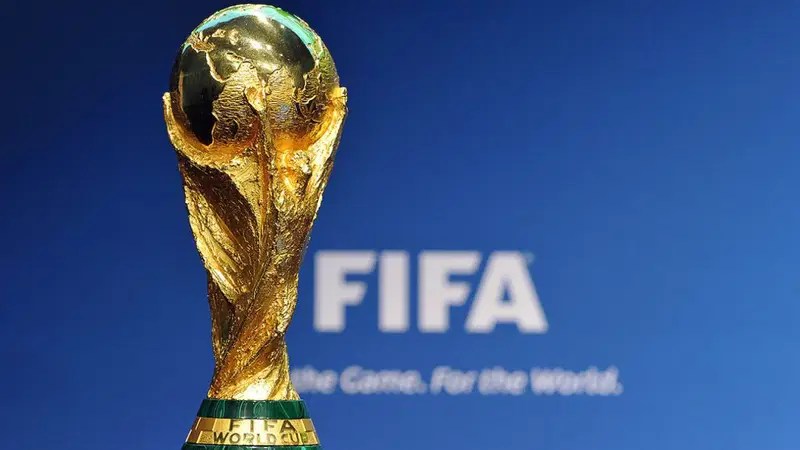
The FIFA World Cup stands as the ultimate stage for international football, where nations aspire to showcase their talent and compete for global glory. However, participation is not always guaranteed—not just because of the rigorous qualification process but also due to FIFA-imposed bans.
Over the decades, FIFA has wielded its authority to bar certain countries from the tournament due to political interference, governance issues, or ethical violations. Recently, Pakistan and Congo were added to the list, joining Russia, which remains ineligible for the 2026 World Cup following its 2022 suspension.
With a history dating back to 1950, here’s a comprehensive look at the 17 countries that have faced FIFA’s wrath and been banned from the prestigious tournament.
Countries FIFA Has Banned from the World Cup
1. Germany & Japan (1950)
In the aftermath of World War II, both nations were banned from the 1950 World Cup as part of global sanctions for their wartime aggression.
2. South Africa (1970–1990)
FIFA expelled South Africa in 1976 due to its apartheid policies, barring the nation from five consecutive World Cups. The ban was lifted in 1991 following the dismantling of apartheid.
3. Mexico (1990)
The country was penalized for fielding overage players in a youth tournament, resulting in a two-year suspension from all FIFA competitions, including the 1990 World Cup.
4. Chile (1994)
Chile faced FIFA’s hammer after goalkeeper Roberto Rojas faked an injury during a 1989 qualifier against Brazil. The incident led to a lifetime ban for Rojas (later lifted in 2001) and a World Cup suspension for Chile.
5. Myanmar (2006)
Myanmar was barred from qualification after pulling out of a scheduled 2002 World Cup qualifier against Iran without a valid reason.
6. Iraq (2008)
FIFA temporarily banned Iraq from international football after its government dissolved the country’s Olympic committee and sports federations.
7. Nigeria (2014)
The West African football powerhouse was suspended due to government interference in the affairs of its football federation. The issue was later resolved, allowing Nigeria to compete again.
8. Kuwait (2015)
Political interference in Kuwait’s football administration led to its ban from FIFA competitions.
9. Indonesia (2015)
Indonesia suffered a similar fate as Kuwait, facing suspension due to persistent government meddling in its football affairs.
10. Guatemala (2016)
FIFA barred Guatemala over governmental interference in the country’s football administration, preventing it from participating in international tournaments.
11. Pakistan (2017, 2021 & 2025)
Governance issues have plagued Pakistan’s football federation, leading to multiple suspensions in 2017, 2021, and most recently in 2025.
12. Chad (2021)
Chad was banned due to external interference in football matters, disrupting the country’s ability to compete in international events.
13. Russia (2022 & 2026)
FIFA suspended Russia from the 2022 and 2026 World Cups following its invasion of Ukraine, barring the country from global football’s biggest stage.
14. Zimbabwe (2022)
Zimbabwe faced a FIFA ban after its government-appointed Sports and Recreation Commission dissolved the national football federation.
15. Kenya (2022)
Kenya was suspended due to financial mismanagement within its football federation but was later reinstated after resolving governance issues.
16. Congo (2025)
The latest addition to FIFA’s blacklist, Congo was recently barred over external interference in the operations of its football federation.
FIFA’s Stance on Governance and Fair Play
FIFA’s bans are not merely punitive measures but are intended to uphold the integrity, independence, and fairness of the sport. The governing body maintains strict regulations against government interference, corruption, and unethical conduct, reinforcing that football should remain free from external political or administrative manipulation.
As the countdown to the 2026 FIFA World Cup continues, nations must ensure compliance with FIFA regulations to avoid facing the same fate as those previously banned. For footballing nations, the message is clear: governance matters just as much as performance on the pitch.
 PIONEER NEWS