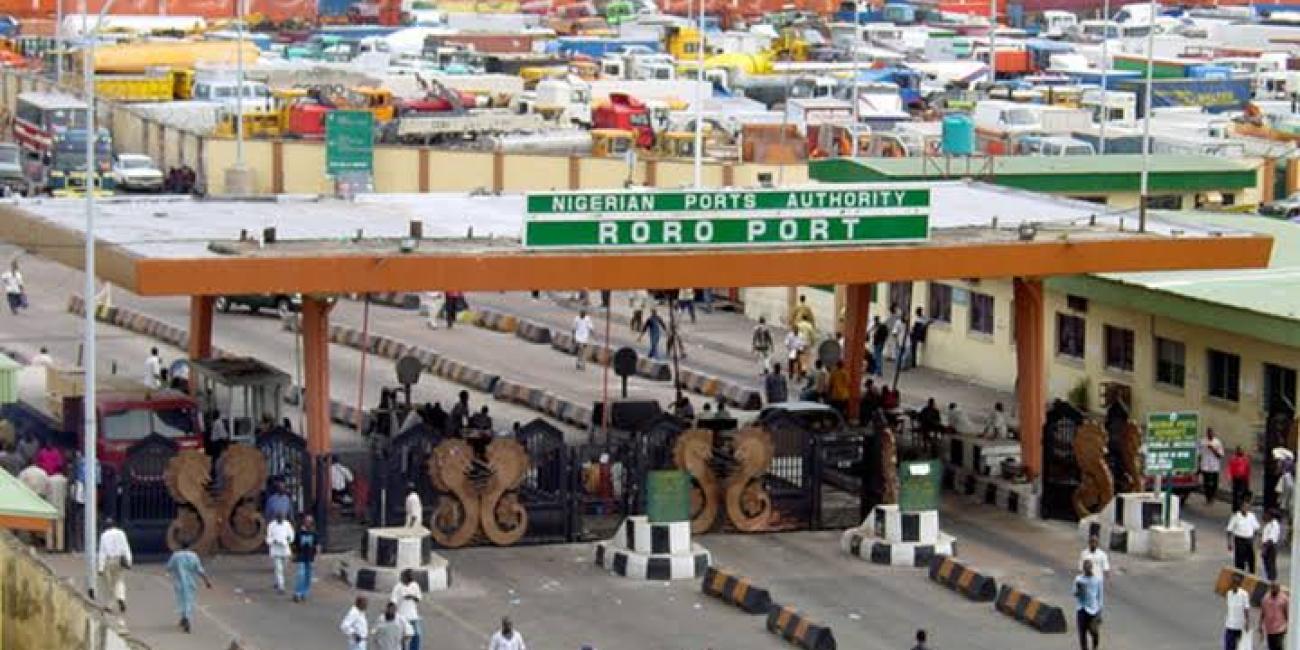
In a historic move, the Nigerian Ports Authority (NPA) has announced a 15% increase in port charges—the first tariff adjustment in over three decades. The decision, aimed at boosting competitiveness and addressing critical infrastructure deficits, was disclosed by NPA’s Managing Director, Dr. Abubakar Dantsoho, during a maritime stakeholders’ meeting in Lagos on Thursday.
Dantsoho emphasized that the rate adjustment was long overdue, citing the need for improved service delivery and alignment with global port operation standards.
> “This is the first time since 1993 that we are adjusting our tariffs. The review is aimed at improving service delivery and maintaining global standards in port operations,” he stated.
Speaking at the meeting, NPA’s Executive Director of Marine and Operations, Mr. Olalekan Badmus, who represented Managing Director Mohammed Bello-Koko, reiterated that the review was necessary to modernize Nigeria’s ports. He noted that while the Federal Government had already approved the rate increase, the NPA leadership deemed it essential to consult stakeholders before full implementation.
> “NPA relies on revenue from port operations to fulfill its responsibilities, including infrastructure maintenance, dredging of channels, provision of navigation aids, acquisition of modern marine equipment, digitization of port processes, and ensuring security,” Badmus explained.
Maritime expert Mr. Joshua Asanga acknowledged concerns over the tariff hike but pointed out that inflation—currently hovering around 35%—had significantly eroded the real value of NPA’s tariffs over the years.
> “For over 30 years, operational costs—including wages, fuel, and maintenance—have soared without a corresponding adjustment in NPA charges,” Asanga stated.
He stressed the urgent need for adequate funding to upgrade port infrastructure, enhance digital systems for the Port Community, and procure essential equipment like tugboats to improve efficiency.
Similarly, logistics consultant Mr. Demian Ukagu urged the NPA to channel additional resources toward the development of outer port facilities and jetties, such as the Kirikiri Lighter Terminal, to alleviate congestion and enhance operational capacity.
> “The revised rates should reflect the cost of maintaining these critical facilities while ensuring sustainable trade and competitiveness,” Ukagu added.
At the end of the stakeholders’ meeting, participants acknowledged that the existing tariff structure had failed to account for key operational expenses, including capital investments, labor costs, and maintenance. While the increase presents challenges for shipping companies and businesses, industry leaders agree that without such an adjustment, Nigeria’s ports risk falling further behind in global rankings.
With the tariff revision set for implementation, all eyes are now on the NPA to ensure that the additional revenue is efficiently deployed toward modernizing port infrastructure and improving Nigeria’s maritime sector.
 PIONEER NEWS