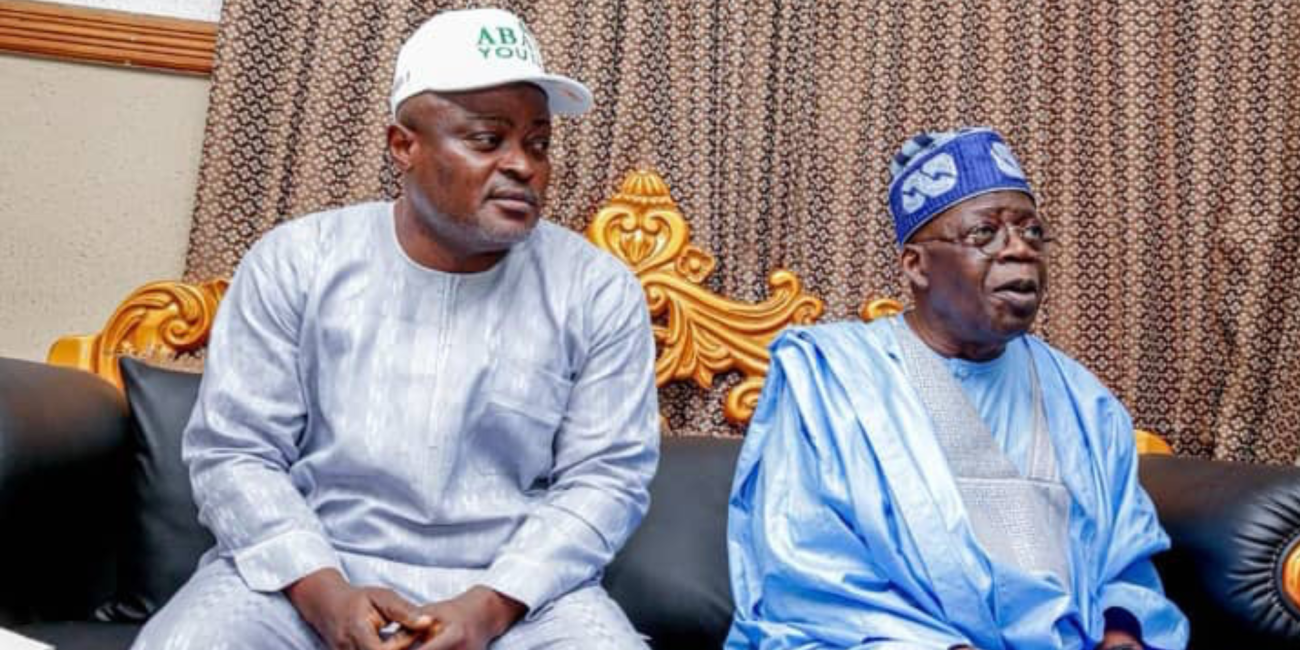
In a dramatic turn of events, lawmakers in the Lagos State House of Assembly have tendered an official apology to President Bola Tinubu over their decision to impeach former Speaker Mudashiru Obasa. The apology, SaharaReporters has learned, was issued following an emergency meeting convened by the powerful Governor’s Advisory Council (GAC) of the All Progressives Congress (APC) at the Lagos House, Marina, on Monday night.
The GAC, regarded as the highest decision-making body of the Lagos APC, was reportedly acting on Tinubu’s directive to overturn Obasa’s removal, which had triggered political turmoil within the party. The meeting was attended by key figures, including Governor Babajide Sanwo-Olu and his deputy, Dr. Obafemi Hamzat.
Sources at the meeting disclosed that President Tinubu was displeased with the impeachment, seeing it as a move that could destabilize the state’s political structure. Some GAC members also expressed grievances about being left out of the decision-making process, which fueled further division among party leaders.
“The President made it clear that he was not in support of Obasa’s impeachment and directed that it be overturned,” a source privy to the discussions revealed. “There was a lot of back-and-forth among GAC members, but ultimately, the lawmakers were compelled to issue two apology letters to Tinubu.”
The first letter reportedly acknowledged that the impeachment was a misstep carried out without consulting APC leaders, with the lawmakers pledging to commute Obasa’s removal to resignation. The second letter, signed by 17 out of 20 Lagos West lawmakers, accepted Hon. Mojisola Meranda as the new Speaker and expressed their willingness to allow her to complete her term, effectively disregarding the party’s zoning arrangement.
Obasa was removed from office on January 13, 2025, after a majority of lawmakers accused him of misconduct, abuse of power, and financial misappropriation. His impeachment, however, exposed deep rifts within the APC, with some leaders opposing his removal while others insisted it was necessary to maintain party discipline.
Prominent APC figures, including Senator Anthony Adefuye and Chief Muraina Taiwo, openly criticized Obasa’s ousting, calling it illegal and disrespectful to party hierarchy. However, their stance was swiftly dismissed by Senator Musiliu Obanikoro, who labeled their objections as “childish” and “inconsequential.”
With tensions rising, President Tinubu reportedly stepped in to prevent the crisis from escalating further. A senior Lagos politician disclosed to the media that Tinubu had instructed Assembly members to prepare for Obasa’s reinstatement.
“The President said Obasa will only be back for a short time before resigning on his own terms,” the source revealed. “This move is seen as a way to manage the political fallout and prevent long-term damage to the party.”
Despite Tinubu’s firm stance, Governor Sanwo-Olu is reportedly not in favor of Obasa’s return but has chosen a more discreet approach in opposing it. Sources claim that the governor has been working behind the scenes to ensure the former Speaker does not reclaim his position.
“Sanwo-Olu does not want to be seen as openly challenging the President, but he is quietly resisting the directive,” a lawmaker disclosed. “He met with some lawmakers and urged them to continue resisting Obasa’s reinstatement.”
Meanwhile, political protests have erupted on Lagos Island, where the new Speaker, Mojisola Meranda, hails from. Reports indicate that influential figures are backing the demonstrations, seeking to maintain the current leadership structure.
As the political drama unfolds, another crucial meeting of the GAC and other APC stakeholders is expected to take place soon, where Tinubu’s final decision on Obasa’s fate will be discussed.
For now, the Lagos Assembly remains a battleground of power, influence, and shifting loyalties—where every move could reshape the state’s political landscape.
 PIONEER NEWS