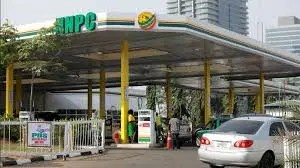
The removal of Nigeria’s longstanding fuel subsidy has triggered a seismic shift in the oil sector, with petroleum marketers resorting to massive bank borrowings to sustain operations—ultimately transferring the burden to motorists.
Against the backdrop of skyrocketing product procurement costs and surging bank interest rates, oil marketing firms recorded a staggering 76.5% increase in bank borrowings, soaring from N1.7 trillion in the first nine months of 2023 (9M’23) to N3.0 trillion in 9M’24, according to Financial Vanguard findings.
The Central Bank of Nigeria (CBN) has aggressively tightened monetary policy, raising the Monetary Policy Rate (MPR)—the benchmark lending rate for banks—from 18.75% in 2023 to 27.50% in 2024. This sharp increase has significantly escalated the cost of borrowing, creating a tough business climate.
Faced with an urgent need for working capital, oil marketers turned to banks for credit to finance product procurement, resulting in an astronomical rise in finance costs. Industry records show that finance expenses shot up by 78.9%, climbing from N116.08 billion in 9M’23 to N156.9 billion in 9M’24.
Despite the rising cost of operations, oil marketers still posted significant profit margins—an indication that they successfully passed on the financial strain to consumers through soaring pump prices.
Their profit before tax (PBT) rose by 44.5%, from N280.8 billion in 9M’23 to N420.8 billion in 9M’24, while turnover skyrocketed by 57.9% to N5.296 trillion, up from N3.355 trillion in 9M’23. This revenue surge outpaced Nigeria’s inflation rate, which hit 34.8% in December 2024, the highest in three decades.
The major firms driving these figures include Oando, Conoil, Eterna Plc, MRS Oil, Total Energies, and Aradel Plc.
Industry and financial analysts explain that the high elasticity of demand for petroleum products has enabled marketers to shift costs to consumers without suffering a major drop in sales.
Since the removal of the subsidy in mid-2023, the cost of fuel procurement has more than doubled, forcing companies to secure additional capital to maintain and grow supply volumes. Unable to self-finance these rising expenses, marketers turned to aggressive borrowing, leading to the dramatic increase in loan figures.
Experts note that while the government has successfully implemented full deregulation of the downstream oil sector, the impact has been overwhelmingly painful for businesses and citizens alike. With fuel prices at unprecedented highs, inflation surging, and purchasing power eroding, Nigerian motorists are left to bear the brunt of a policy shift that continues to widen economic inequalities.
 PIONEER NEWS