By Chukwuemerie Uduchukwu
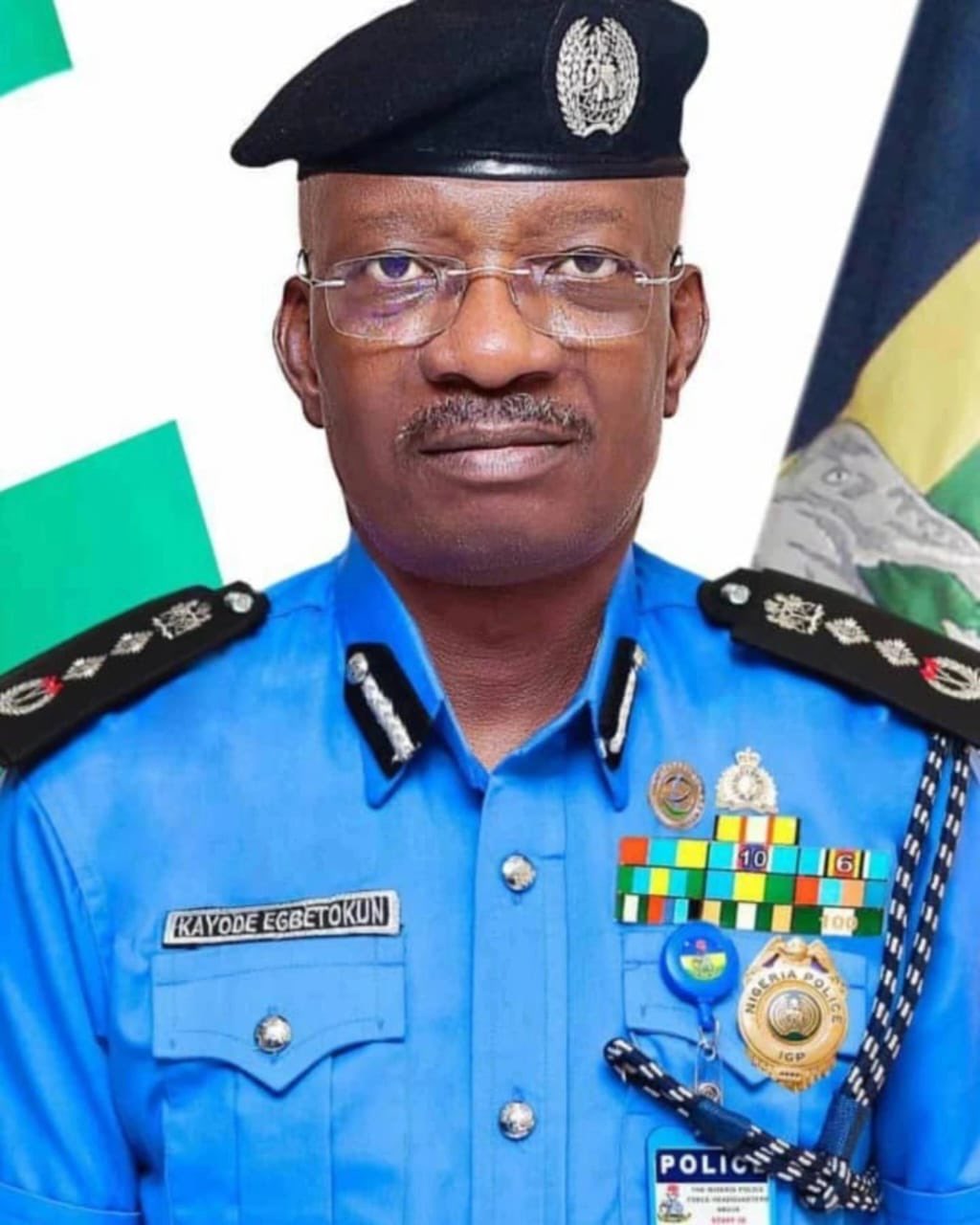
Amid swirling debates and heightened public scrutiny, the tenure of Nigeria’s Inspector-General of Police (IGP), Kayode Adeolu Egbetokun, has sparked a storm of discussions across social media platforms. The controversy stems from concerns over the legal standing of his appointment and the duration of his service. However, a recent statement from the Attorney General of the Federation and Minister of Justice, Lateef Fagbemi, SAN, has laid these concerns to rest, affirming that Egbetokun’s tenure is firmly grounded in law.
The Nigeria Police Act provides a clear-cut framework for appointing and determining the tenure of the IGP. Section 7(3) of the Act mandates that the President appoints the IGP based on the advice of the Police Council, selecting from serving members of the force. More importantly, Section 7(6) explicitly states that the IGP shall hold office for a fixed term of four years, ensuring stability, accountability, and strategic continuity in the nation’s law enforcement leadership.
Additionally, the Act grants the President discretionary power under Section 7(5) to remove the IGP if necessary. This provision highlights the delicate balance between security leadership stability and the executive oversight needed to maintain national security priorities.
Understanding the governance structure of the Nigeria Police Force is crucial in demystifying the IGP’s role and authority. The Police Council, as established under Section 6 of the Police Act, serves as a critical oversight body responsible for advising the President on the appointment and removal of the IGP. This council comprises:
The President (Chairman)
The Governors of the 36 states
The Chairman of the Police Service Commission (PSC)
The Inspector-General of Police
Contrary to common misconceptions, the Police Service Commission (PSC) does not have direct control over the IGP. Instead, the PSC—established under Section 153 of the Nigerian Constitution—focuses on recruitment, promotions, and disciplinary matters for officers below the rank of IGP. This distinction ensures that while the IGP maintains operational autonomy, he remains accountable to the President and the Police Council.
Attorney General Fagbemi’s Verdict: Tenure Legally Binding
In a definitive statement released on Thursday, January 30, 2025, the Attorney General of the Federation, Lateef Fagbemi, SAN, reaffirmed that IGP Egbetokun’s tenure is legally protected and runs from October 31, 2023, to October 31, 2027, irrespective of his age.
Fagbemi’s pronouncement effectively dispels any doubts regarding Egbetokun’s eligibility to remain in office, reinforcing the principle that the rule of law—not speculation—governs Nigeria’s policing system. His statement underscores the importance of upholding the legal framework that defines the roles and responsibilities of law enforcement leadership.
While public discourse and civic engagement are essential in any democracy, it is equally important to ground such debates in facts and constitutional realities. Misinterpretations or politically motivated narratives can erode public trust in institutions, especially in critical sectors like law enforcement.
Rather than fueling unnecessary controversy, patriotic activism should focus on holding the police leadership accountable within the framework of the law. This includes ensuring that the IGP effectively implements policing reforms, enhances security strategies, and addresses public concerns regarding law enforcement operations.
With the Attorney General’s clarification, it is evident that IGP Kayode Egbetokun’s tenure is constitutionally valid, and any debate suggesting otherwise is unfounded. Moving forward, the focus should shift to how well the IGP delivers on his mandate—ensuring national security, combating crime, and fostering public confidence in the police force.
The law has spoken, and now, the duty rests on all stakeholders—government, law enforcement, and citizens—to support efforts that strengthen Nigeria’s security landscape rather than distract from it.
 PIONEER NEWS