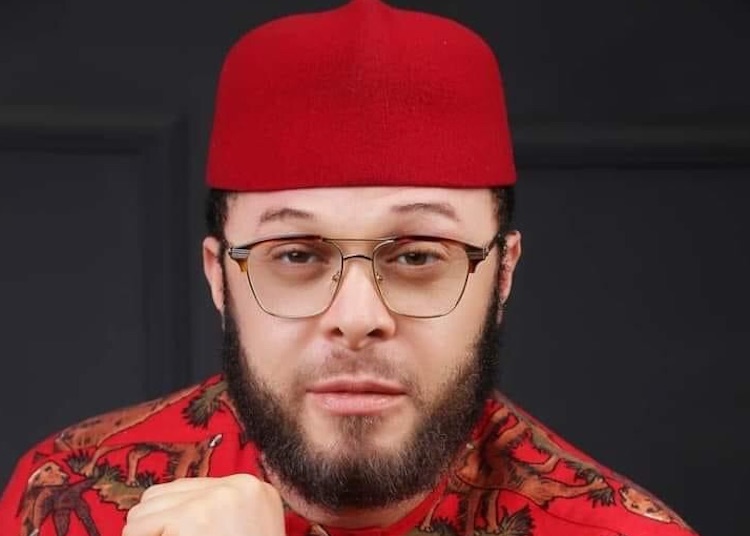
In a candid and somewhat self-deprecating revelation, Alex Ikwechegh, the House of Representatives member representing Aba North/South Federal Constituency in Abia State, reflected on an incident that, while controversial, has significantly boosted his recognition across Nigeria. Speaking on Channels Television’s Sunrise Daily program, Ikwechegh remarked that the October 2024 altercation with a Bolt driver in Abuja has earned him the quirky title, “The man who makes things disappear.”
The lawmaker, whose confrontation with the e-hailing driver, Stephen Abuwatseya, went viral after being captured on video, stated that the incident has since been resolved amicably. “What happened was quite unfortunate, but I take it as an opportunity to build relationships,” Ikwechegh said. “Today, the young man and I are friends. I’ve even grown close to his pastor and bishop. Nigerians now know me as the man who makes things disappear. We’ve moved on—it’s all in the past now.”
On October 28, 2024, Ikwechegh made headlines when media outlets reported an altercation between him and Abuwatseya, who was delivering a package to his Maitama residence in Abuja. The package, reportedly containing snails, led to a heated dispute when the driver requested that Ikwechegh step outside to collect it. A viral video recorded by the driver captured the lawmaker repeatedly slapping and insulting him in a fit of rage.
The incident sparked widespread outrage, with many questioning the behavior of public officials. In response, Ikwechegh issued a public apology via Instagram, admitting that his actions were inappropriate and unbefitting of his office. “I sincerely apologize to Stephen, the Nigerian Police Force, and the National Assembly. My behavior fell short of the standards expected of a public official, regardless of the circumstances,” he wrote.
Following the incident, the Inspector General of Police filed charges against Ikwechegh, leading to his arraignment at a Kuje Magistrates’ Court. He faced three counts: abuse of office, assault, and threats to life. The court granted him bail of ₦500,000 after he pleaded not guilty, with his counsel securing the bail on specified conditions.
Interestingly, the situation took an unexpected turn when Abuwatseya publicly apologized to the lawmaker. The driver expressed regret for his role in provoking Ikwechegh, asking Nigerians for forgiveness and emphasizing that they had resolved the matter through alternative dispute resolution. Both parties reached what was described as a “mutual and respectful agreement.”
Addressing the backlash, Ikwechegh shared his side of the story during his television appearance. He explained that the viral video only showed part of the altercation, leaving out the events that led to his reaction. “The sanctity of my home felt desecrated,” he stated. “But that moment does not define who I am. I’ve been in the public space for a long time without any scandal. This incident, though regrettable, has helped me forge new relationships and move forward.”
Ikwechegh also emphasized his commitment to leaving the incident behind and focusing on his responsibilities as a lawmaker. “It’s a learning curve, and I’ve come out stronger,” he concluded.
While Ikwechegh’s reflections have sparked mixed reactions, with some commending his humility and others questioning the sincerity of the resolution, the lawmaker seems determined to rebuild his image. The case highlights the growing scrutiny public officials face in an era of ubiquitous cameras and viral social media content, where every action—positive or negative—is magnified.
As Ikwechegh navigates this chapter of his political career, the incident serves as a reminder that moments of adversity can shape public figures in unexpected ways. Whether as a cautionary tale or a story of redemption, one thing is clear: Nigerians won’t be forgetting the “man who makes things disappear” anytime soon.
 PIONEER NEWS