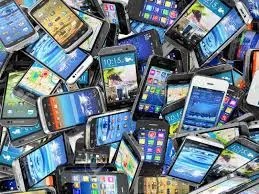
The once-prestigious culture of owning cutting-edge smartphones has persisted in Nigeria despite the nation’s persistent economic challenges. However, a significant shift is underway as more Nigerians are turning to foreign used phones, abandoning their preference for brand-new devices. This change is fueled by growing concerns about the rapid depreciation of new smartphones and a lack of trust in the quality of locally available products.
For years, Nigerians who could afford it chose brand-new smartphones to avoid issues such as stolen or compromised devices. However, an investigation by Economy & Lifestyle reveals a growing trend of citizens opting for foreign used phones, citing the declining durability of new devices as a major factor.
Mr. Vincent Ibeh, a car dealer, recounted his disappointing experience with a brand-new smartphone he purchased for ₦160,000. “Within six months, the charging port started malfunctioning, followed by battery issues. Eventually, the phone became unusable,” he lamented. To his dismay, he later discovered the phone was a repackaged device masquerading as brand-new. “A friend advised me to buy a foreign used phone instead, and since I made the switch, I’ve had no issues,” he added.
Ibeh’s frustrations reflect a growing sentiment among Nigerians: the once-reliable promise of longevity and performance in new smartphones is no longer guaranteed. “How will sellers not repackage old smartphones? The money to restock is no longer there,” he continued. “The economy has reached a point where even the content of a cube of Maggi needs to be questioned. Fake and adulterated products are everywhere, and it’s the masses who suffer.”
The situation isn’t limited to isolated experiences. Mrs. Florence Johnson, a businesswoman, shared a similar story. She purchased a brand-new smartphone, only to find its battery life reduced to 60% within six months. In comparison, an older, lower-grade model of the same brand retained 75% battery efficiency after two years of usage. “It’s frustrating. We pay a premium for new products, yet the quality is worse than before,” she said.
This decline in quality has eroded trust in locally available goods, leaving consumers with little choice but to explore alternatives. Foreign used phones, often imported from countries where they were originally sold as premium devices, are now seen as more reliable and cost-effective. These phones typically undergo quality checks and refurbishments abroad, giving them an edge over their local counterparts.
The shift to foreign used phones highlights deeper economic and societal issues. Inflation, currency depreciation, and dwindling purchasing power have made it increasingly difficult for Nigerians to afford premium products. At the same time, unscrupulous practices by some retailers, such as repackaging old devices as new, have further undermined consumer confidence.
As Mr. Ibeh aptly summarized, “Nigeria has reached a stage where people no longer have confidence in our locally made goods.” This lack of trust extends beyond smartphones to other industries, reflecting a broader challenge for the nation’s economy and manufacturing sector.
Experts believe the growing reliance on foreign used phones underscores the urgent need for regulatory intervention and consumer protection. Strengthening quality control mechanisms, encouraging local manufacturing standards, and cracking down on counterfeit products could help restore consumer trust and revitalize the market for new smartphones.
Until then, many Nigerians will continue to turn to foreign used phones as a more reliable and practical solution to their communication needs in an economy marked by uncertainty and declining product standards.
 PIONEER NEWS