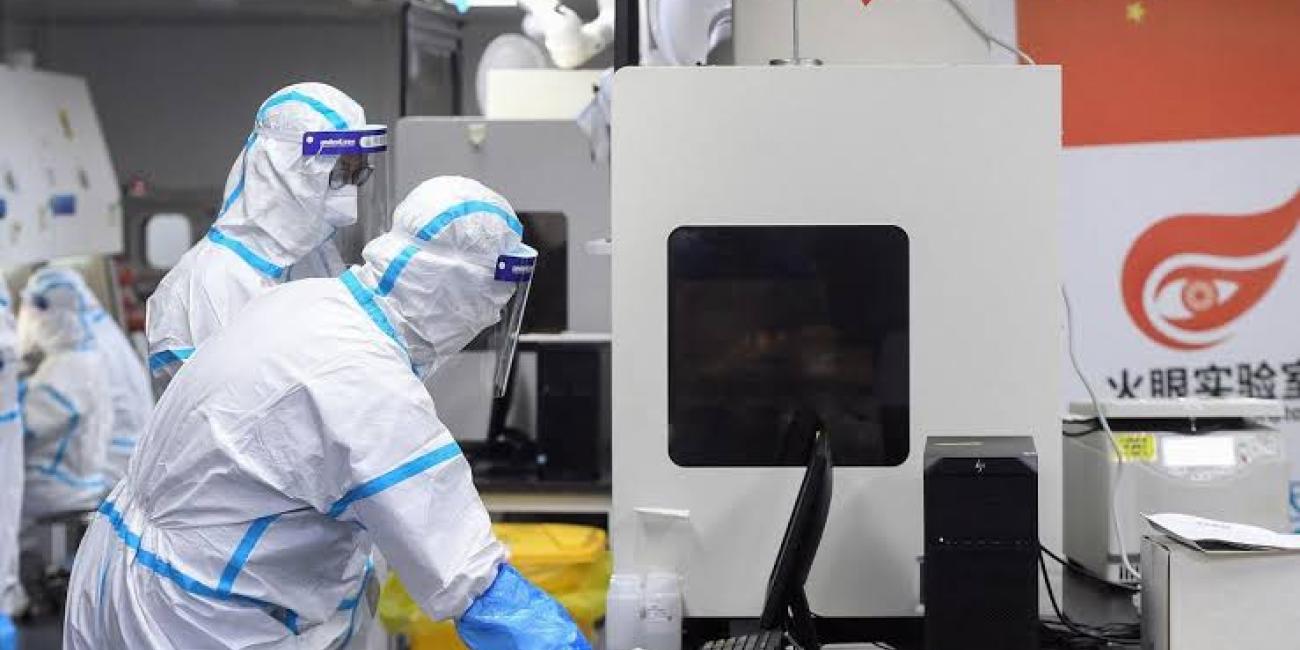
Sahara Reporters has taken to its official X handle to report a groundbreaking update: the Central Intelligence Agency (CIA) has released a new assessment suggesting that the COVID-19 pandemic is “more likely” to have originated from a laboratory leak in China rather than natural transmission from animals.
This revelation, published on Saturday, marks a significant development in the ongoing debate over the origins of the virus. Despite its bold assertion, the CIA emphasized that it holds “low confidence” in the conclusion, reflecting the limited and inconclusive nature of the available evidence, according to a report by the BBC.
A spokesperson for the agency noted that a “research-related origin” is now considered “more likely than a natural origin,” based on the existing body of intelligence. However, the classification of “low confidence” highlights the lingering uncertainties surrounding the pandemic’s origins, which have remained elusive despite years of global investigation.
This assessment was unveiled under the leadership of the CIA’s new director, John Ratcliffe, who assumed office just days ago. Ratcliffe, appointed by former President Donald Trump, has long been a vocal advocate of the lab leak theory. His position aligns with earlier assertions made during his tenure as Director of National Intelligence in Trump’s first term.
In a recent interview with Breitbart News, Ratcliffe criticized the agency’s previous neutral stance, stating, “One of the things I’ve talked about a lot is addressing the threat from China on a number of fronts. That includes why a million Americans died and why the CIA has been sitting on the sidelines for five years, failing to make an assessment about the origins of COVID.”
Ratcliffe underscored the urgency of the matter, urging the agency to “get off the sidelines” and confront the pressing question of how the pandemic began. He has consistently pointed to the Wuhan Institute of Virology (WIV) as the most plausible source. Located just 40 minutes from the Huanan seafood market—where the first known cluster of COVID-19 cases emerged—the WIV has faced international scrutiny and allegations of unsafe research practices.
Interestingly, the CIA’s latest assessment reportedly predates Ratcliffe’s appointment. Officials disclosed to U.S. media that the review was commissioned during the Biden administration’s final weeks and completed before Trump assumed office. Despite this timing, Ratcliffe appears intent on ensuring the findings receive public attention.
However, the “low confidence” classification underscores the challenges of drawing definitive conclusions. Intelligence officials acknowledge that the evidence remains fragmented and, in some cases, contradictory. The decision to release the assessment, despite its limitations, signals an apparent shift in U.S. intelligence priorities under Ratcliffe’s leadership.
The lab leak theory has long been a contentious issue, dividing scientists, politicians, and intelligence communities worldwide. While many experts initially favored a natural origin linked to wildlife sold at wet markets, calls for transparency from China and growing suspicions surrounding the Wuhan lab have kept the debate alive.
As the CIA’s latest report reignites the conversation, questions remain: Will the new leadership push for further investigations? Can more definitive evidence emerge to resolve the pandemic’s origins? And how will this affect U.S.-China relations, already strained by allegations of espionage and economic competition?
For now, the origins of COVID-19 remain shrouded in mystery, but one thing is clear: the debate is far from over.
 PIONEER NEWS